








Historic Forts and Landmarks in El Paso, Texas
Nestled in the far western tip of Texas, El Paso boasts a rich tapestry of history that intertwines Native American, Spanish, Mexican, and American heritage. This unique cultural blend is manifested in its historic forts and landmarks, which stand as silent sentinels of a past steeped in conflict, camaraderie, and progress. Many visitors and residents alike are often captivated by the stories these places tell, ranging from the era of colonization to the more contemporary narratives of migration and trade. Exploring the historic forts and landmarks in El Paso not only offers a glimpse into the city’s multifaceted history but also connects individuals to the resilient spirit of a community that has thrived for centuries.
Among the prominent sites in this region, Fort Bliss and the Mission Trail stand out as testaments to El Paso’s strategic significance and its role in shaping the borderlands. These sites not only highlight the city’s military past but also emphasize the importance of faith and community, reflected vividly in the missions that dot the landscape. Whether you’re a history buff or a casual traveler, the exploration of El Paso’s forts and landmarks promises a journey filled with discovery and appreciation. The following sections delve into some of the most significant sites, offering insights into their histories and their continued relevance today.
Fort Bliss: A Legacy of Military History
Established in 1849, Fort Bliss is one of the oldest military installations in the United States and has played a pivotal role in the defense and military operations of the Southwest. Originally a supply depot during the Mexican-American War, the fort has evolved significantly over the years, particularly during the World War II era when it served as a training ground for soldiers destined for battle. The fort, situated on over 1,000 acres, features a mix of historical buildings, military artifacts, and modern facilities.
Visitors to Fort Bliss can appreciate not just its ancient walls but also the extensive narrative that surrounds its existence. The fort’s complex includes several historical buildings, such as the Old Officers’ Quarters and the Historic Post Cemetery, which offer a window into the life of soldiers and their families throughout different periods of American history. The museum, located on the base, features exhibits that chronicle the evolution of military technology and detail the experiences of those who served, showcasing everything from World Wars to current conflicts.
Moreover, Fort Bliss is home to the Army Air Defense Artillery School and the **1st Armored Division**, making it an active military post that continues to play a critical role in U.S. defense strategies. Its significance extends beyond the military as it represents a cornerstone of El Paso’s identity, contributing to the local economy and culture. Various events, including public tours and military demonstrations, allow civilians to engage with the historical and modern aspects of military life, fostering a deeper appreciation for those who serve.
The Role of Fort Bliss in Community Life
Fort Bliss has not only been a site of military significance but has enriched the community life in El Paso. The fort is often seen as a bridge connecting military personnel and civilians, encouraging mutual understanding and respect. This connection is visible during various community events hosted at the fort, such as Armed Forces Day celebrations and cultural fairs that highlight the importance of the military in the region.
Additionally, the installation plays a major part in the local economy, employing thousands of residents and providing numerous services that support both military families and civilian contractors. The environmental programs and initiatives launched by Fort Bliss also aim to promote sustainability and conservation efforts within the region. This commitment not only enhances the quality of life for those living in the area but also demonstrates the fort’s dedication to a greater cause.
Ultimately, Fort Bliss stands not only as a relic of military might but as an integral part of the El Paso community, threading military history through the city’s cultural fabric. For those looking for a deep dive into both local pride and American history, a visit to Fort Bliss is a must.
The Mission Trail: Spiritual and Historical Significance
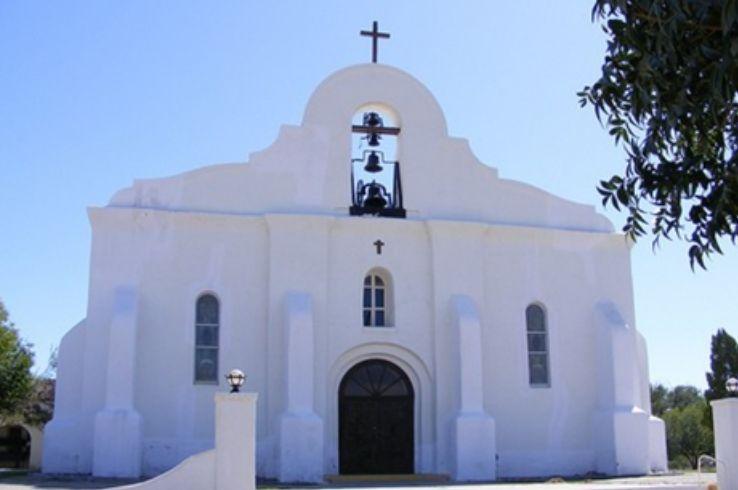
The Mission Trail in El Paso is a stunning reminder of the area’s colonial past, stretching for several miles through the city and encompassing some of the oldest missions in the United States. This 13-mile route features four principal missions: Mission San Elizario, Mission San Jose, Mission Socorro, and Mission La Purisima Concepcion. Established by Spanish settlers in the late 17th and early 18th centuries, these missions not only served spiritual and religious purposes but also acted as community hubs for education, agriculture, and trade.
Each mission is marked by unique architectural beauty and significant historical narratives. For instance, Mission San Elizario, built in 1789, reflects the blending of Spanish and Native American cultures, showcasing traditional adobe construction techniques that are emblematic of the region. Its historical importance is underscored by its role as one of the first missions and its contributions to the establishment of El Paso as a permanent settlement. Moreover, visiting the historical structure allows guests to understand the historical contexts in which these places were founded, specifically their missions of evangelization and settlement.
Mission San Jose is often recognized for its meticulous restorations, which have allowed it to maintain its original structure and character. Known as the “Mother of Texas Missions,” it stands as an iconic testament to Spain’s efforts in disseminating Catholicism throughout the region. Visitors are often enthralled by the mission’s stunning chapel and intricate carvings on the façade, as well as its inviting courtyard, which invites contemplation and reflection.
A Modern Perspective on the Mission Trail
Although the historical missions are significant, the Mission Trail’s relevance extends into modern times. Today, they not only serve as tourist attractions but also as living, functioning communities where cultural practices and traditions continue to thrive. Events such as the Mission Trail Art Market and various religious festivals not only draw tourists but also unite the local community in celebration of their heritage.
The Mission Trail stands as an essential educational experience for both residents and visitors, offering guided tours that reveal the cultural and historical narratives surrounding each mission. Families often engage in various activities designed to educate children about the area’s history, contributing to the preservation of local traditions. Artisans and craftspeople take part in showcasing their work, ensuring that the cultural expressions linked to the missions are passed down through generations.
Through trails lined with vibrant murals, historic markers, and engaging narratives, the Mission Trail invites exploration and introspection into the rich history of El Paso. It is a vibrant celebration of life, spirituality, and culture that transcends its historical significance, drawing both individuals and families to partake in a journey through time.
The El Paso Museum of History: A Celebration of Regional Heritage
Set against the backdrop of Downtown El Paso, the El Paso Museum of History is a beacon of culture and heritage, dedicated to preserving and showcasing the rich history of the region. Established in 1974, the museum offers a comprehensive look at the area’s past through engaging exhibits that chronicle everything from indigenous cultures to contemporary issues. The museum’s mission is to educate the public about El Paso and its surrounding regions while promoting greater appreciation for the diverse narratives that have shaped the area.
The museum’s exhibits feature artifacts, photographs, and multimedia presentations that celebrate El Paso’s unique history. Visitors can delve into exhibitions on the Spanish colonial period, explore the impact of the railroad on trade and migration, or learn about the contributions of the various ethnic communities that have called the region home. Special exhibitions often highlight significant events, figures, and cultural influences that have left an indelible mark on the city and its surroundings.
A notable feature of the museum is its dedication to public education and community involvement. The El Paso Museum of History offers a range of educational programming, including lectures, workshops, and school tours designed to engage younger audiences. By fostering a sense of pride in local heritage, the museum serves as a vital resource for students and residents alike, encouraging a deeper understanding of the complexities of history and identity in the greater El Paso area.
Exhibiting Diversity and Cultural Exchange
One of the core philosophies of the El Paso Museum of History is promoting diversity and cultural exchange. The museum actively highlights stories from various communities, ensuring that the narratives presented are comprehensive and inclusive. Through partnerships with local organizations and cultural institutions, it hosts events that celebrate different cultural backgrounds and histories, such as Hispanic Heritage Month and Black History Month.
The El Paso Museum of History also provides a platform for contemporary artists and historians, showcasing their work and encouraging discussion around history and culture. This commitment to inclusiveness reflects the region’s rich mosaic of communities and narratives and enhances the museum’s mission. Attending exhibitions or events at the museum allows visitors to engage directly with the stories of El Paso, fostering a dynamic dialogue about the past, present, and future.
For anyone wishing to gain a comprehensive understanding of El Paso’s evolution over the centuries, the El Paso Museum of History serves as an enlightening and entertaining destination. By exploring the town’s historical narratives, visitors can appreciate the complexity and richness of both the local and national landscape.
Preservation Efforts and Future Prospects
The preservation of El Paso’s historic forts and landmarks is an ongoing effort that involves various stakeholders, including local governments, non-profit organizations, and community members. These entities recognize the value of heritage conservation and work diligently to protect and maintain the sites that define the city’s historical narrative. Restoration projects, educational initiatives, and cultural events are all part of an effort to ensure that future generations can appreciate the significance of these historic treasures.
Challenges such as urban development, environmental concerns, and funding limitations often complicate these preservation efforts. Nevertheless, the commitment from the community to safeguard its history remains strong, evidenced by the active involvement of volunteers and local organizations. Many community members participate in restoration projects, advocating for funding and grants that support historical preservation.
Moreover, the growing awareness of the significance of heritage tourism has led to an increase in visitors seeking to explore El Paso’s historic sites. This surge not only benefits the local economy but also emphasizes the vital role these forts and landmarks play in the cultural identity of the city. By nurturing an appreciation for history among residents and tourists alike, El Paso establishes itself as a model for other cities aiming to balance modernization with heritage conservation.
Looking Ahead: Engaging Future Generations
As El Paso continues to grow and evolve, engaging future generations in its storied past is crucial. Schools and community organizations play an essential role in this educational mission. By incorporating local history into curricula, students can develop a sense of identity and belonging that fosters pride in their community.
Programs that encourage young people to participate in local history projects, such as restoration and archival work, promote hands-on learning experiences. Similarly, family-friendly events hosted at historic sites further spark interest and connection to the past. The organic intertwining of history and modern experiences enables the narrative of El Paso to flourish, ensuring that its legacy perseveres through time.
In every corner of El Paso, historical forts and landmarks echo the voices of those who came before, reminding residents and visitors of the rich past that continues to shape the character and identity of the city. As the community strives toward a future that honors and preserves its heritage, the stories of Fort Bliss, the Mission Trail, and the El Paso Museum of History shine brightly, inviting all to reflect, engage, and appreciate the diverse narrative of this historic region.