








El Paso, Texas, is a city rich in cultural heritage and historical significance, boasting a variety of historic cemeteries and monuments that serve as testament to its storied past. The beauty of these sites lies not just in their architectural grandeur, but in the narratives they hold—stories of lives once lived, struggles faced, and the diverse tapestry of the community that came together to build modern El Paso. A visit to these sites reflects an intersection of history, culture, and art, inviting visitors and locals alike to engage with the memories and stories they embody.
With numerous cemeteries and monuments scattered throughout the city, El Paso invites exploration for both historians and casual visitors. From the meticulously preserved gravestones of long-gone pioneers to monuments celebrating significant events, these historic sites provide a lens through which to view the evolution of this vibrant city. Each site is a chapter in the collective narrative of El Paso, echoing the hopes and dreams of its inhabitants.
Historic Cemeteries of El Paso
Restlawn Memorial Park
Located in the heart of the city, Restlawn Memorial Park is one of El Paso’s premier cemeteries, originally established in 1950. This cemetery is known not only for its well-maintained grounds but also for the diverse range of memorials that reflect El Paso’s multicultural heritage. Visitors will find a mix of traditional graves and elaborate memorials, representing the city’s rich tapestry of familial, cultural, and religious traditions.
One of the most evocative features of Restlawn is the collection of monuments dedicated to veterans. The Veterans Memorial section honors those who have served in the armed forces, with stones engraved with the names and ranks of local heroes. This section serves as a poignant reminder of the sacrifices made by El Pasoans in defense of freedom and is an important site for memorial ceremonies and remembrance events.
As you wander through this serene park, one cannot miss the lush greenery and thoughtful landscaping that create a peaceful environment. The cemetery also hosts several yearly events, including Memorial Day remembrance services that unite families and the community to reflect on their shared history and honor the deceased. These occasions truly showcase the cemetery as a vital piece of El Paso’s communal memory.
El Paso Municipal Cemetery
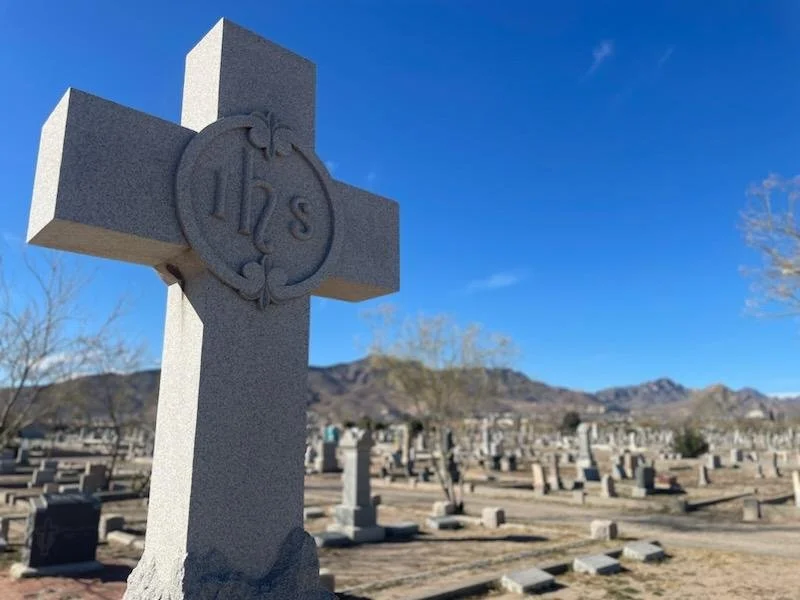
The El Paso Municipal Cemetery, established in 1850, is one of the oldest cemeteries in the region and a testament to the city’s founding families. As the final resting place for many of El Paso’s notable figures, including pioneers, civic leaders, and cultural icons, the cemetery offers a window into the city’s early history. With approximately 27,000 burials on-site, it is a site rich with stories and heritage.
One unique aspect of the Municipal Cemetery is its sections dedicated to various ethnic groups, which illustrates the diverse cultural makeup of El Paso since its founding. The cemetery includes areas for African American, Jewish, Hispanic, and other communities, each with distinct burial traditions. Exploring these sections provides insight into the interwoven fabric of cultures that constitute El Paso’s identity.
Among the most notable structures within the Municipal Cemetery is the Old Mission Chapel, which serves as a striking focal point. Built in a style reminiscent of Spanish colonial architecture, this chapel has become a symbol of the city’s historical roots. It stands as a reminder of the city’s days as a focal point for trade, immigration, and cultural exchange, drawing visitors who wish to pay homage to the history encapsulated within its walls.
Evergreen Cemetery
Another historic site in El Paso is the Evergreen Cemetery, located just northeast of the city center. Dating back to 1883, this cemetery is notable for its unique mix of burial traditions and elaborate mausoleums. It is home to many of El Paso’s influential families and is characterized by its sprawling grounds that offer a peaceful retreat from the urban landscape.
One of the most captivating elements of Evergreen Cemetery is the arrangements of graves, some adorned with intricate sculptures and art. Each monument narrates a tale of its own, reflecting the status and achievements of those interred there. Additionally, the cemetery is famous for its beautiful landscapes, with majestic trees providing shade and a tranquil atmosphere that invites reflection and contemplation.
Evergreen serves as a vital resource for genealogical research, often attracting individuals eager to trace their ancestral roots. This cemetery plays a crucial role in preserving the history of families in El Paso as it continues to be a mainstay of local genealogy and history clubs. The local community regularly organizes tours to highlight the stories behind prominent figures and architectural features found within the grounds, ensuring that the memories of these pioneers live on.
Monuments Reflecting El Paso’s Legacy
The El Paso Holocaust Museum and Study Center
As part of its commitment to honoring its diverse history, El Paso features the Holocaust Museum and Study Center, which serves as both an educational hub and a monument commemorating the victims of the Holocaust. Established in 1998, the museum has become an integral part of the community, fostering awareness about the Holocaust’s historical impact and promoting tolerance and inclusivity.
The museum is home to a variety of exhibits that illustrate the atrocities of World War II and the Holocaust. Visitors can engage with survivor testimonials, artifacts, and educational materials that help contextualize the horrors faced by Jewish communities and others during this dark period. The museum also hosts regular events, including memorial services and educational programs aimed at instilling resilience and understanding among younger generations.
Additionally, the building itself symbolizes resilience, with its design intended to evoke reflection and remembrance. The exterior of the museum features striking artwork and inscriptions dedicated to those who suffered. This site not only honors the memory of the victims but also serves as a reminder of the importance of promoting peace and understanding in a world still grappling with intolerance.
The Star on the Mountain
Perched atop the Franklin Mountains, The Star on the Mountain is a famous landmark visible from various points throughout El Paso. Originally constructed in 1940, this dazzling star stands 459 feet tall and has become an iconic symbol of the city’s hope and aspirations. The star is illuminated at night, creating a picturesque view that captivates both locals and visitors alike.
This prominent monument serves not only as a recognition of the city’s rich history but also as a gathering point for community celebrations and events. New Year’s Eve celebrations, for instance, feature festivities centered around the star, as locals gather to usher in the new year with fireworks and camaraderie. Events like these emphasize the spirit of unity that the star represents.
Beyond its local significance, the star has also drawn media attention and attracted tourists seeking to capture the perfect photograph. Hikers often trek up the mountain to get a closer view, and the star has become a beloved backdrop for countless memories made in El Paso. Its enduring presence highlights the importance of landmarks in building a community’s identity.
The Via Crucis — Stations of the Cross
Located within the grounds of the San Jacinto Plaza stands the Via Crucis, a series of statues depicting the Stations of the Cross, which graphically illustrate the final hours of Christ. This 14-station installation has become a significant part of El Paso’s religious and cultural landscape. Created by local artist Luis Jiménez, the statues reflect a blend of contemporary artistry and traditional themes, bringing together the community in reverent remembrance, particularly during the Christian observance of Lent.
The Via Crucis is not just an artistic display; it serves as an active part of local expressions of faith. Each year, the Easter season draws hundreds to the plaza for processions that invoke deep reflection and spiritual connection. The interplay between art and faith is visible in the way these statues resonate with visitors, inviting contemplation and a sense of shared experience within the community.
Moreover, the prominence of the Via Crucis within the plaza makes it a focal point for cultural activities, festivals, and performances, establishing it as a cornerstone of El Paso’s lineage. The statues embody a deep sense of historical and spiritual significance that contribute to the community’s identity, reminding everyone of the enduring nature of faith.
Understanding El Paso Through Its Historic Sites
Each cemetery and monument in El Paso tells a unique story that enriches the city’s identity. They are not merely places of remembrance; they are living testaments to the vibrant history that has shaped El Paso. This past is intricately linked to the present, providing opportunities for education, reflection, and communal bonding. As residents and visitors walk the grounds of these historic sites, they are participating in a shared heritage that enhances their connection to the city.
The significance of preserving these sites cannot be overstated. They are essential not only as historical markers but also as spaces that foster community engagement and dialogue. By valuing and maintaining such sites, El Paso demonstrates a commitment to honoring its diverse past while creating pathways for future generations to connect with their roots and understand the foundations of their community.
For those interested in history, culture, or spirituality, El Paso’s historic cemeteries and monuments offer a rich tapestry that is waiting to be explored. Each visit presents an opportunity to delve into the past and reflect on the journey of a city that continues to evolve yet remains deeply connected to its roots. The stories held within these sites serve as reminders of the resilience and tenacity of the people who laid the groundwork for what El Paso is today.