








LUBBOCK — The discovery of the New World screwworm in a dog in Texas has sparked concern among pet owners statewide about the implications for their animals.
The state’s significant stray animal population poses a risk of exacerbating the spread of the screwworm, which could lead to tragic outcomes for shelter animals, even those that have not been directly affected by the infestation.
“If they can’t relocate animals from the quarantine zones, mass euthanasia could occur,” warned Rebecca Giamona, a veterinarian with Austin Pets Alive. “Thousands of shelter animals could perish due to lack of space.”
Animal advocates across Texas have long highlighted the overcrowding crisis in shelters. Best Friends Animal Society, an animal welfare nonprofit, estimates that approximately 568,325 cats and dogs were admitted to Texas shelters last year.
The New World screwworm, a parasitic fly that lays eggs in open wounds, is not limited to livestock; it poses a threat to any warm-blooded creature with an injury, including pets and humans.
In response to the screwworm cases, Governor Greg Abbott issued a statewide disaster proclamation covering all 254 counties in Texas. While the infestation has predominantly affected livestock, a dog has also tested positive.
To combat the situation, the Texas Animal Health Commission has implemented quarantine measures in 13 counties, including Coke, Edwards, and Gillespie. These restrictions prevent all warm-blooded animals from being moved outside the infested areas, which, while helping to contain the screwworm, raises concerns among animal welfare organizations about further overcrowding in shelters.
Giamona expressed particular concern for rural shelters, which are often underfunded and lack adequate resources. “Their facilities are typically outdoors with minimal protection, making animals there more vulnerable,” she explained.
Since the initial identification of the New World screwworm in Texas, a collaborative effort among animal welfare organizations, veterinary clinics, and government officials has been underway to prevent a wider crisis. This includes ensuring veterinary care is accessible to report potential cases.
However, the growing population of stray animals remains a challenge, as there is no assurance that injured animals will be noticed or brought in for care. Moreover, some rescues have ceased accepting animals from quarantine zones. Austin Pets Alive collaborates with shelters in South and Central Texas, helping transport around 2,500 animals annually to other states and Canada.
“We support small, under-resourced shelters that might otherwise have to euthanize these animals,” said Luis Sanchez, the organization’s communications officer.
Erin Robinson, director of communications for the Texas Animal Health Commission, stated that the quarantine measures are crucial to prevent the spread of the screwworm. “This ensures that we can assure our trade partners that new world screwworm is not being transmitted outside this area,” Robinson said.
The quarantine is a preventive measure to avoid a repeat of history; during the original screwworm outbreak in 1933, the pest spread following the transport of infested animals across state lines.
There are additional strategies to limit the screwworm’s spread, including frequent inspections of animals, especially those entering shelters or rescues. “Animals arriving from uncontrolled areas are at higher risk,” Robinson noted. “Thorough inspections are vital to prevent infestations.”
While the screwworm is not contagious and is treatable, concerns remain about its potential impact in crowded environments. Dr. Virginia DeChant of the Houston SPCA warned that if a maggot escapes a wound, it could develop into an adult fly and lay eggs on another animal.
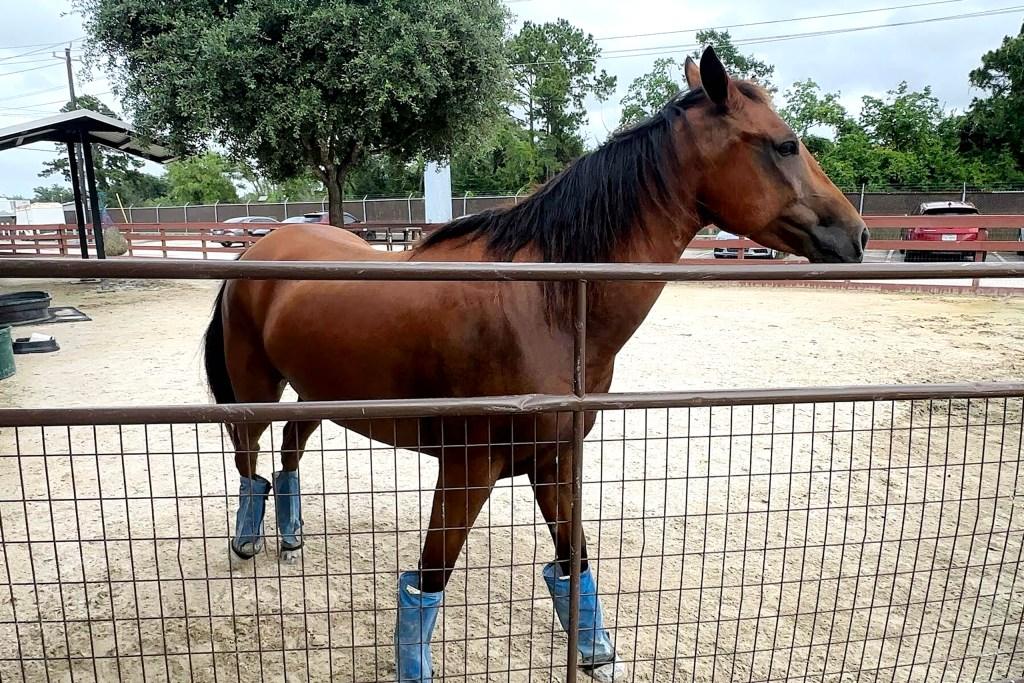
The Houston SPCA, located in the nation’s fourth-largest city, provides care for a wide range of animal species. Although the organization has not altered its operations due to the screwworm, precautions are in place to protect the 500 to 600 animals they intake weekly. Measures include enhanced fly control in barns and protective gear for horses.
DeChant encouraged pet owners to keep their microchip information current and anticipates potential restrictions on animal movement across the border. “We’re monitoring animals with open wounds closely,” she added. “The primary symptom of a screwworm infestation is that the wounds fail to heal.”
Even with treatment, the healing process can be complicated due to the damage inflicted by the maggots. The Houston SPCA routinely administers parasite prevention during the intake process to safeguard against infestations.
The Food and Drug Administration has authorized Nitenpyram, an over-the-counter medication, to treat screwworm in various pets, while three other medications have been approved for livestock.
At Austin Pets Alive, all veterinarians are trained to inspect for screwworms, and the organization is increasing the number of certified technicians. They work with partner shelters to treat affected animals, facilitating their movement and potential adoption. The organization also raises public awareness about the issue via social media updates.
Robinson emphasized the importance of reporting any suspected screwworm sightings in animals. “We urge all animal owners and anyone who encounters wildlife or strays to report anything unusual,” she said.