






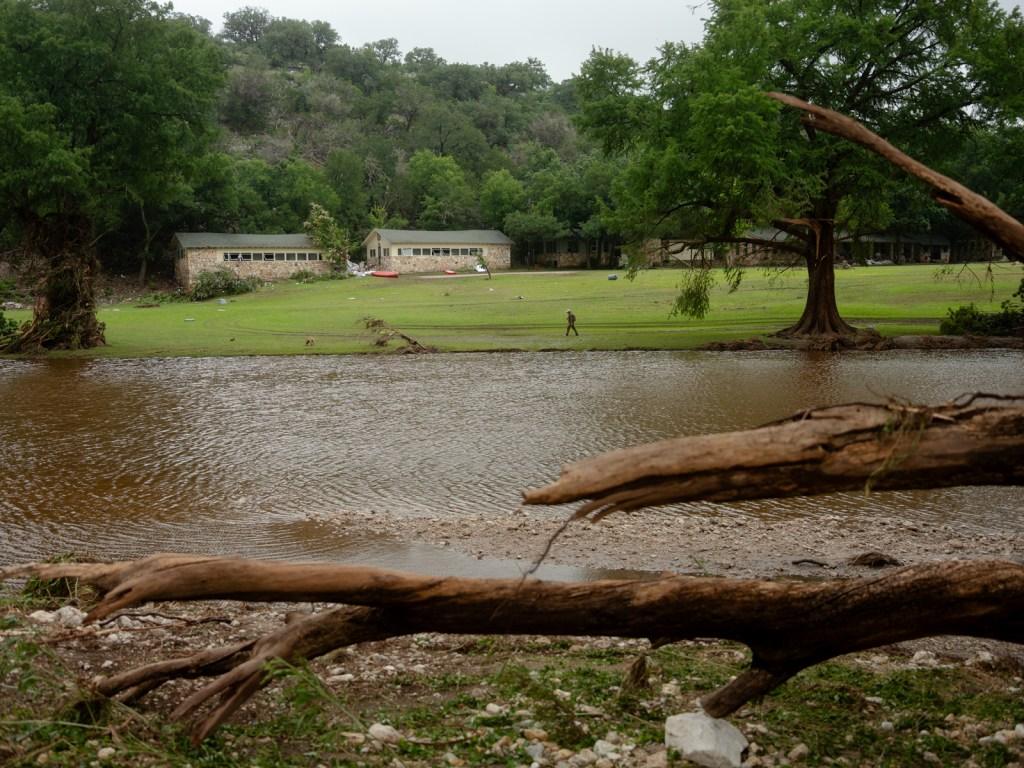
Camp Mystic has initiated Chapter 11 bankruptcy proceedings, a move that comes nearly one year after a devastating flood resulted in the tragic deaths of 25 campers and two teenage counselors at the Christian girls’ camp along the Guadalupe River.
The camp has faced mounting pressure since the catastrophic incident on July 4. Although plans were made to celebrate its 100th anniversary this summer, the camp’s owners decided against reopening in April following public outcry from the families of victims and local legislators. Lawsuits have been filed by these families, alleging that the camp failed to adequately protect the girls as the floodwaters approached.
Richard Eastland, the owner of Camp Mystic, also lost his life in the flood. The bankruptcy filing in federal court in Houston revealed that the camp’s debts exceed $10 million. Attempts to reach the camp’s attorney for comment have been unsuccessful.
“Bankruptcy will not prevent all responsible parties from facing accountability,” stated Paul Yetter, an attorney representing several families of the deceased campers and counselors. “These innocent girls deserve justice.”
For many years, Camp Mystic was a cherished summer destination for families, where girls engaged in horseback riding, canoeing, fishing, and Bible study. Unlike other summer camps in Kerr County, which successfully avoided severe flooding and have since reopened, Camp Mystic has faced a more complex situation.
The July 4 flooding claimed at least 136 lives along a stretch of the river, raising significant concerns about how such a disaster could unfold. In the wake of the tragedy, the Eastland family spent months advocating for the camp’s reopening this summer, touting new safety measures that included flood warning monitors and two-way radios equipped with national weather alerts in each cabin.
By spring, the camp’s attorney announced readiness to welcome nearly 900 campers back for the summer season. However, assurances regarding safety did little to alleviate the concerns of victims’ families and certain Texas lawmakers. State regulators identified nearly two dozen shortcomings in the camp’s emergency operations plan, particularly regarding flood evacuation protocols and staff training.
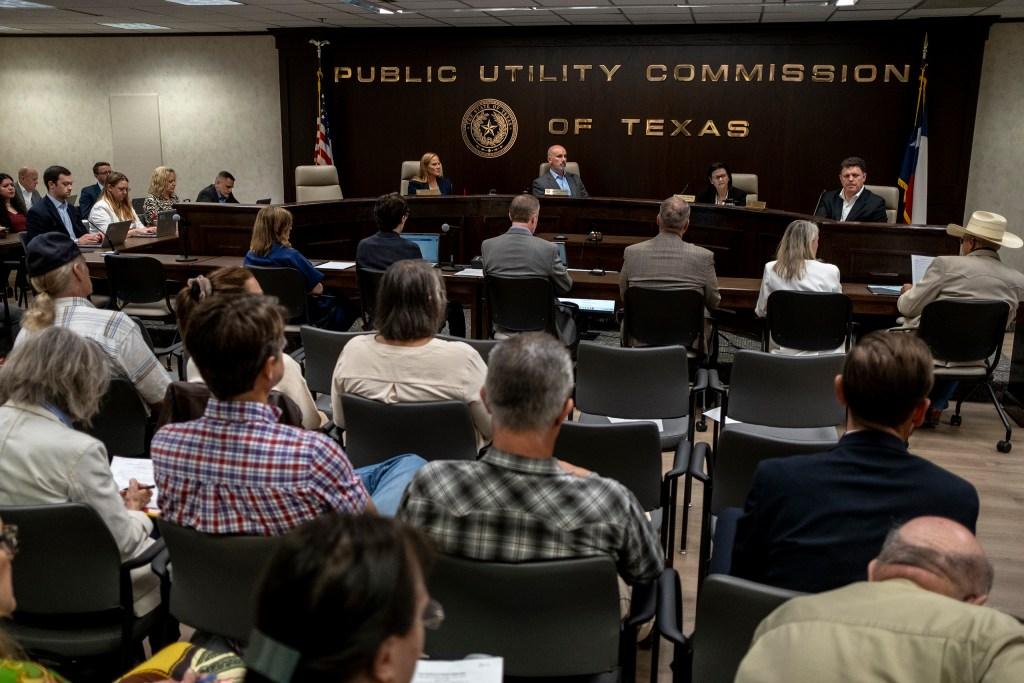
The decision to cancel reopening plans came after extensive court hearings and legislative investigations that revealed the camp’s inadequate flood emergency planning and reliance on insufficiently trained staff.
During the hearings, families of the victims were present, some wearing “Heaven’s 27” pins that featured photographs of their daughters. They listened intently as testimonies detailed missed flood warnings and the harrowing decision to keep the girls in their cabins until it was too late. Disturbing footage depicted the floodwaters raging as a girl could be heard crying for help in the background.
Prior to halting its reopening plans, Camp Mystic had invited journalists and lawmakers to inspect the safety improvements made at the camp. They assured that no activities would take place in the areas most severely impacted by the flood. The Eastland family highlighted that many families were eager to return to the camp.