






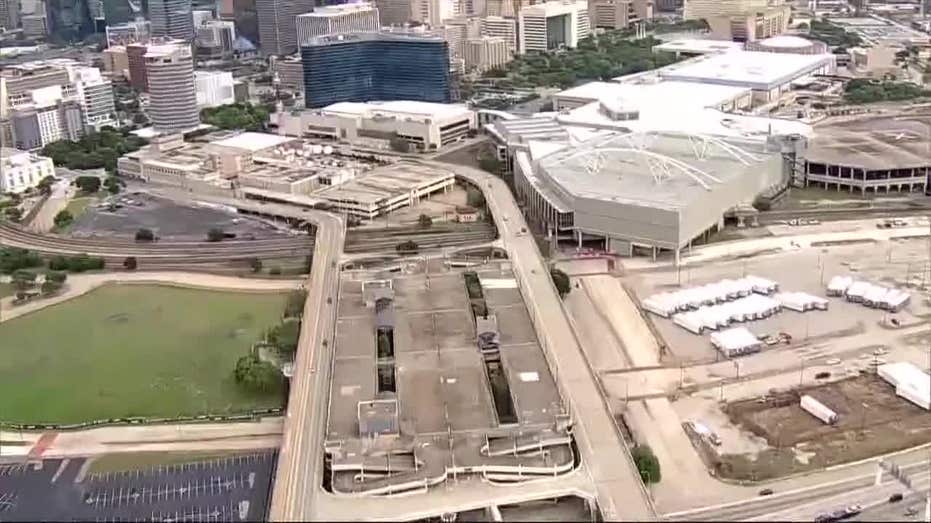
The Dallas City Council has made a controversial decision to reduce the height of the new convention center, a move that may lead to increased traffic challenges for residents of Oak Cliff attempting to access downtown Dallas. The council voted 9-6 in favor of the modifications, which will alter the connectivity of two major viaducts.
Under the revised plan, the Houston Street and Jefferson Street viaducts will no longer run through the convention center, potentially disrupting inbound and outbound traffic from the Oak Cliff area to downtown. This decision comes despite warnings from the city manager, who cautioned that the changes could push the center’s grand opening to 2030 and incur hundreds of millions in design alterations and lost revenue.
The original design of the convention center allowed for the viaducts to remain operational beneath the building. However, in an effort to reduce costs by $500 million, the council opted to lower the structure by two stories. Earlier in the week, the Transportation and Infrastructure Committee had advocated for a return to the original height to maintain connectivity.
As part of the city’s latest proposal, traffic from Jefferson Street is set to be redirected to the Houston Street viaduct. Currently, Houston Street facilitates southbound traffic over the Trinity River, while Jefferson Boulevard serves northbound vehicles into downtown. The revised plan would restrict Houston Street to a single lane in each direction, while Jefferson Boulevard would feature two lanes but terminate at the Reunion parking garage, necessitating a future flyover ramp to reconnect with Houston Street.
The financial implications of the redesign are significant. The city manager indicated that the proposed changes would incur an additional cost of $597 million and postpone construction by one year, resulting in over $271 million in lost clients and an ongoing deficit of $1.4 million monthly.
Local residents have voiced strong opposition to the council’s decision. Craig Davis, president of Visit Dallas, emphasized the impact on the local economy, stating, “We notified over 40 convention organizers that we could not accommodate them in 2030 as originally promised. That is nearly $2 billion in spending leaving the city.” William Joy, president of the Bishop Arts Neighborhood Association, questioned the city’s commitment to maintaining accessibility for its residents amid competition from neighboring cities investing heavily in their downtowns.
City Council members expressed divergent views during the discussions leading up to the vote. Councilwoman Kathy Stewart articulated her concerns, stating, “I cannot support returning the convention center to its original height. Doing so would require redesign and additional review, which would delay construction and increase cost.” Conversely, Councilman Chad West underscored the need to enhance access rather than obstruct it, warning that the decision made would be irreversible.
At this point, the specifics regarding the redesign of the Houston and Jefferson viaducts remain uncertain, leaving open questions about whether further approvals will be necessary from the City Council.