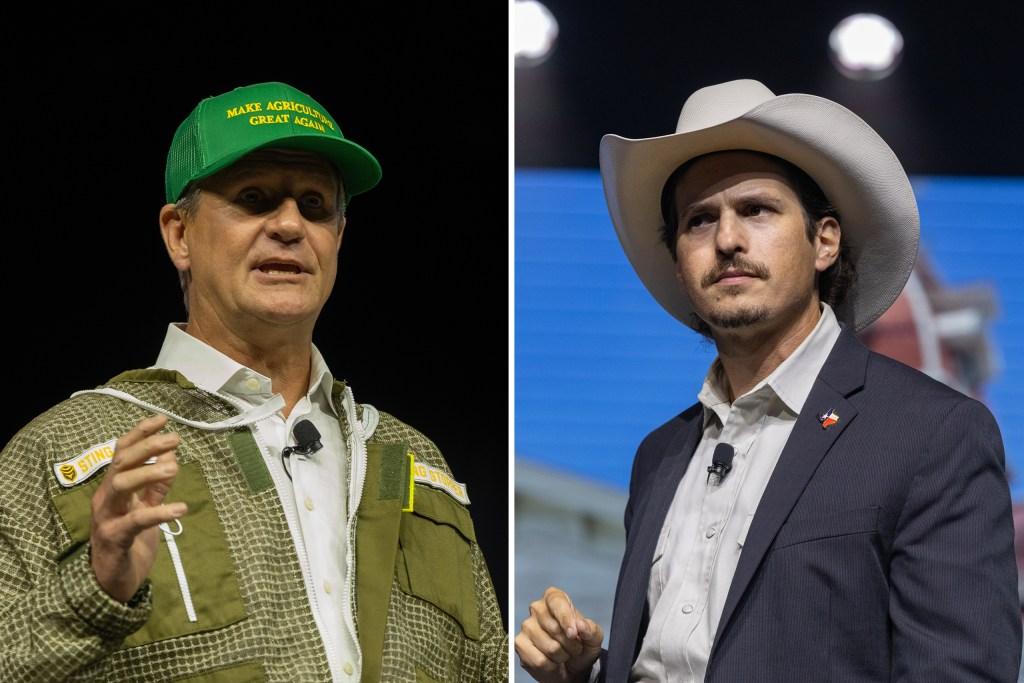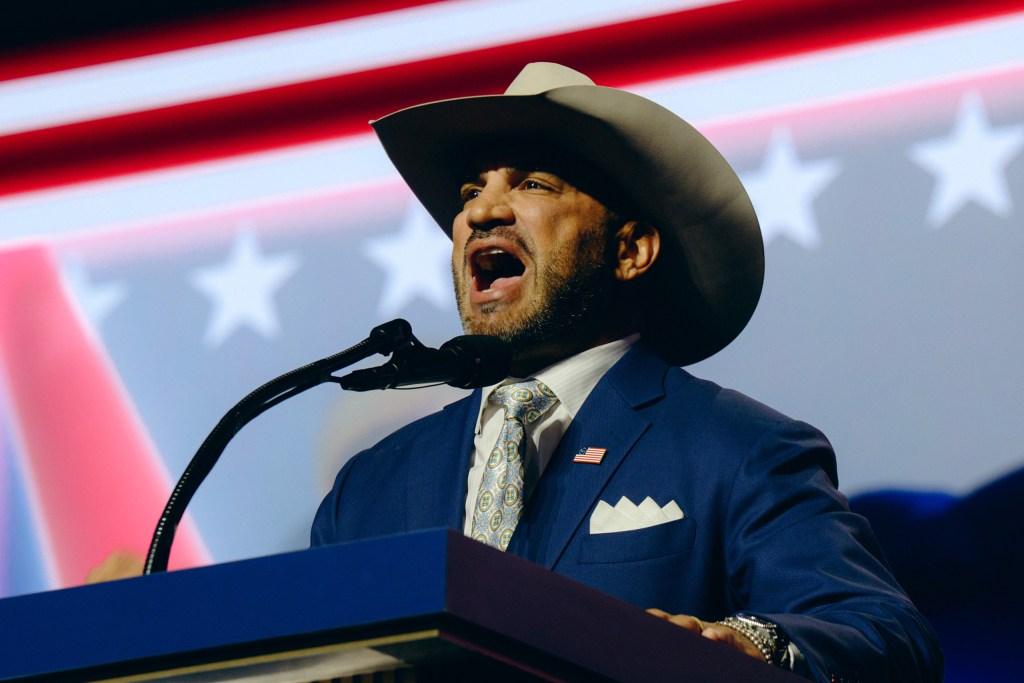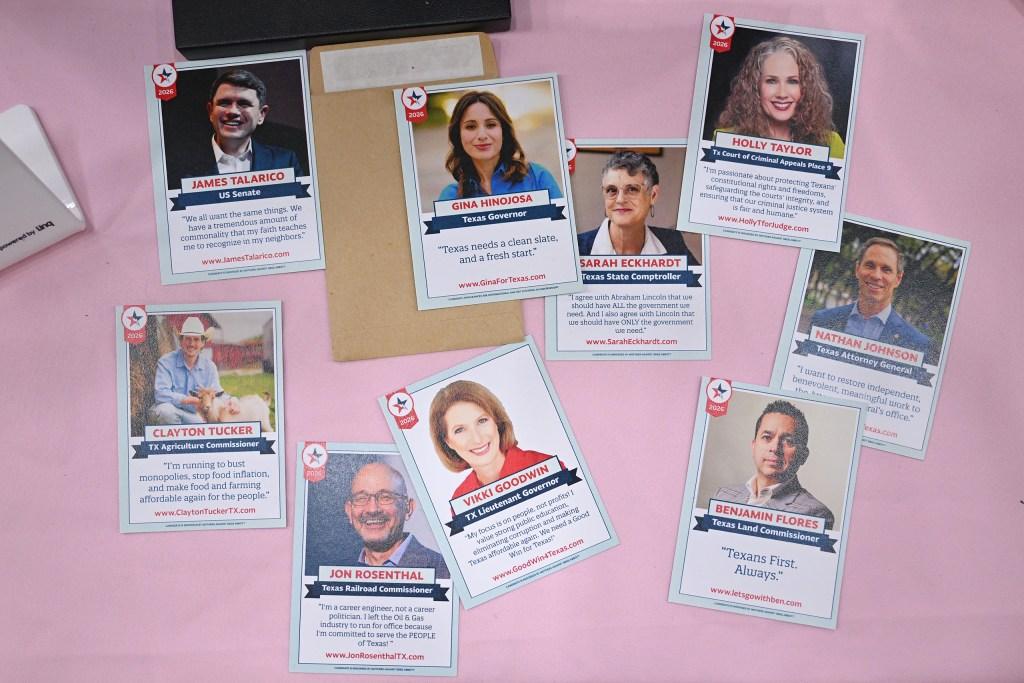
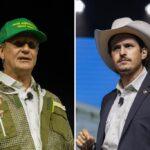






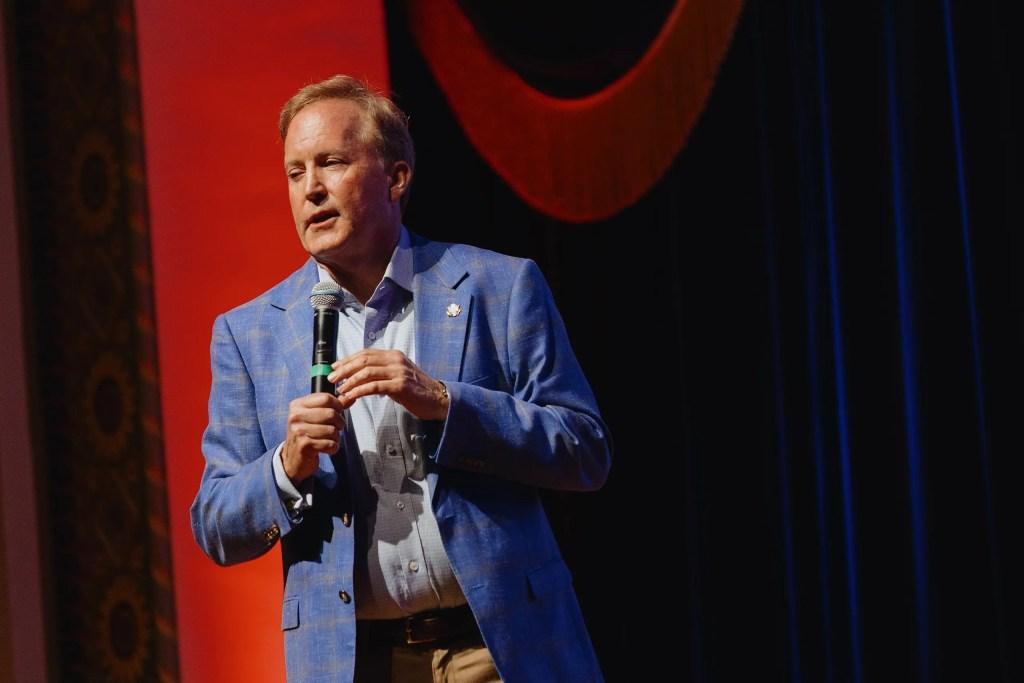
With less than nine weeks remaining until early voting kicks off in Texas’ U.S. Senate race, candidates Ken Paxton and James Talarico have been actively campaigning across the state. They are engaging with voters in various venues, from restaurants to music halls, as they share their political platforms. However, the television spotlight has predominantly focused on one candidate.
James Talarico, a state representative from Austin, has invested over $25 million in advertising since the general election campaign began in late May, as reported by ad tracking firm AdImpact. His expenditures include nearly $10.7 million on broadcast television and around $8.4 million on streaming services, with the remainder allocated to cable, digital, radio, and satellite ads.
Viewers tuning into Texas television this summer have encountered Talarico in various advertisements, where he emphasizes the significance of community and faith, often featuring his grandfather. He has also addressed rising grocery prices and shared his experiences in a World Cup-themed Spanish language ad.
In stark contrast, the Paxton campaign has allocated a mere $119,000 for advertising, primarily on digital platforms. This substantial difference has allowed Talarico to dominate the airwaves, leading to a slight edge in polling that places him ahead in several surveys within the margin of error.
Paxton has acknowledged this advertising imbalance during television interviews and has called on donors for support. In a recent appearance on Fox News, he outlined his campaign’s financial strategy, emphasizing the need to challenge Talarico’s record to secure a victory. “We need help now, because James Talarico’s been spending $3 or $4 million a week on TV for the last month,” Paxton noted, expressing his desire to compete effectively.
Despite being outspent, Paxton’s campaign has highlighted his impressive fundraising efforts, having raised over $9 million—more than any other non-incumbent GOP Senate candidate nationwide in the second quarter. However, he pointed out that the costly primary runoff had left his resources more limited compared to Talarico, who had the luxury of building his financial reserves after winning his primary in March.
Political analysts suggest that many voters typically begin to engage with the election process after Labor Day. Historical trends indicate that Republicans can still achieve victory even while being outspent on advertising, a tactic successfully employed by Senator Ted Cruz in his narrow win in 2018 and more comfortably in 2024. Republican strategists are optimistic that external financial support will soon arrive to assist Paxton in leveling the playing field.
John Wittman, a Republican consultant, stressed the urgency for Paxton to define Talarico’s political stance quickly, given that the election date is approaching. “It’s important for Republicans to combat this Democrat aggression and start to define Talarico for the crazy liberal he is,” he remarked.
Republican strategists have warned that Democratic polling tends to be strongest during the summer months, but they anticipate shifts once Paxton or his affiliates begin to air advertisements targeting Talarico. A Republican group, Protecting America’s Future, has already launched an anti-Talarico ad campaign, focusing on his positions regarding China and crime, with a $120,000 spend primarily in the Corpus Christi media market.
In recent weeks, Talarico’s campaign has outpaced Paxton’s significantly, investing over $7.3 million in advertisements—more than thirty-six times the Republican candidate’s spending during the same timeframe.
In 2024, Cruz’s campaign demonstrated that even when outspent during the summer, strategic ad spending can lead to success. Cruz initiated six-figure weekly ad buys in late July and escalated to seven-figure expenditures by late September, totaling at least $2 million weekly by the end of August, when combined with outside funding. Paxton, however, has not exceeded $20,000 in advertising in any week thus far in the general election.
Overall, Democrats have outspent Republicans by approximately $119.7 million to $82.6 million in Texas’ 2024 Senate race post-primaries. Cruz benefited from substantial external support for his campaign, while Paxton is navigating his first federal election without a comparable financial base.
Conservative donors and political action committees such as the Senate Leadership Fund and MAGA Inc. could potentially bolster Paxton’s efforts, but there remains a pressing concern regarding the timing of these contributions. Paxton himself has recognized that Talarico’s aggressive spending has influenced the race’s dynamics, noting, “He’s got money…and it’s helped him a little bit in the polls.”
Questions about the absence of planned ad reservations from Paxton and associated groups have led to concerns among Republicans regarding the involvement of outside funding. Dana Loesch, a GOP radio host, expressed frustration over the lack of action from Republican groups, labeling the situation as unacceptable. “This is a winnable race,” she declared, urging GOP donors to take decisive action.
Karl Rove, a veteran Republican strategist, echoed this sentiment, underscoring the unusual fundraising landscape of the race. He emphasized the critical role that President Trump’s super PACs may play in determining the race’s outcome, articulating that if Trump invests in Paxton’s campaign, it could level the playing field.
Recent reports indicate that MAGA Inc. has considered potential attacks against Talarico, indicating that future spending may be imminent. Paxton expressed hope that Republican leadership would soon engage in funding the campaign, though he noted that coordination is not possible.
In Texas, the lack of future television ad reservations stands out compared to other battleground states, where Republican candidates have already secured significant funding for the upcoming months. Factors such as Texas’s vast media landscape and competitive races may contribute to this delay in ad commitments.
On the super PAC front, the Lone Star Liberty PAC, which supports Paxton, has yet to initiate television spending since the runoff, while the supporting PAC for Talarico boasts a substantial financial advantage.
As the campaign unfolds, the anticipated influx of pro-Republican messaging in Texas could ultimately influence the race, particularly in light of other statewide contests. The next round of federal campaign fundraising data will be released mid-October, just before early voting begins.