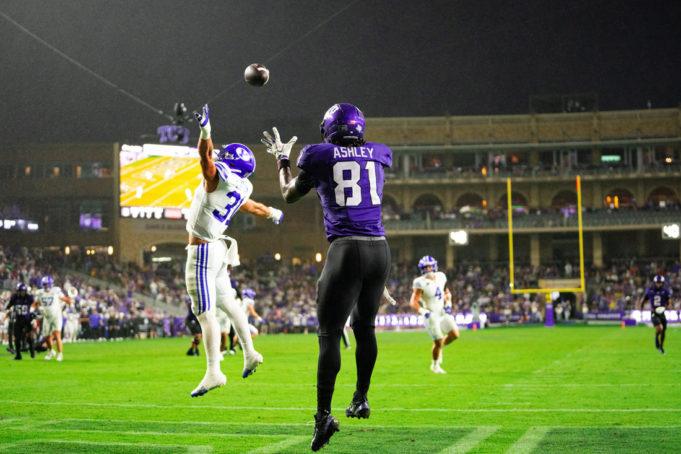










The Fort Worth Star-Telegram has lost its press credentials for TCU football games and other athletic events, following the publication of a contentious article regarding two football players. This decision by the university has raised questions about the relationship between the institution and the media.
In a recent follow-up piece, the Star-Telegram clarified that its reporter was simply covering the aftermath of an alleged locker-room assault involving a football player and a teammate, naming both individuals in the ongoing discussion. However, TCU contends that the newspaper’s reporting was irresponsible, claiming it jeopardized the safety of the alleged victim and underscoring the university’s commitment to student protection.
The revocation of press credentials is a significant action, suggesting a potential rift between TCU, the city’s largest and second-oldest university, and the Fort Worth Star-Telegram, the oldest media outlet in the area. Speculation arises about which side the community will align with: the conservative institution or the similarly conservative newspaper.
Both parties present valid arguments. The Star-Telegram maintains that it was simply fulfilling its journalistic duty by reporting facts, including names. Conversely, TCU argues that the report could have been crafted without disclosing the identity of the victim, who later made himself known in a now-deleted Instagram video.
Mike Buddie, TCU’s Athletic Director, emphasized the university’s focus on the welfare of its student-athletes. He stated that unreliable information from an unnamed source contributed to a narrative that endangered the alleged victim and resulted in threats against him and his family. This situation prompted the university to suspend the Star-Telegram’s media access until further discussions can take place regarding the incident.
While some might interpret this situation as a First Amendment issue, it primarily revolves around the university’s right to control access to its facilities rather than censorship of content. The Star-Telegram staff will now have to purchase tickets to attend games, much like any other fan. Although it may seem unlikely, the newspaper might choose to limit its coverage of TCU athletics in protest, but given the popularity of college sports, that could be detrimental to its readership.
This divide could potentially serve as a catalyst for the Star-Telegram to enhance its sports journalism, encouraging writers to be more innovative in their coverage. As one columnist has shown, it is possible to report on TCU athletics without the benefits of press access, suggesting that creativity may flourish in this new landscape.