









Exploring the Architectural Wonders of Texas: Historic Churches and Cathedrals
Texas is not only famed for its vast landscapes, robust culture, and rich history, but also for its stunning architecture. Among its many architectural gems, the historic churches and cathedrals stand out as significant markers of the Lone Star State’s evolution. These sacred structures tell stories of faith, resilience, and community, gracefully embodying the spirit of Texas. From the Spanish missions that once flourished during colonial times to the grand cathedrals built in the 19th and 20th centuries, each building invites a deeper exploration of the region’s diverse cultural tapestry.
Travelers and locals alike are drawn to these magnificent edifices, where art, history, and architectural prowess converge. The churches and cathedrals of Texas serve as not just places of worship, but also sites for social gathering, cultural expression, and historical reflection. This article will delve into some of the most significant churches and cathedrals across the state, exploring their history, architectural styles, and the communities they serve.
The Spanish Missions: A Testament to Faith and Survival
The roots of historic churches in Texas can be traced back to the Spanish Mission period, which began in the late 17th century. The missions were largely established to convert Native American populations to Christianity while expanding Spanish territorial claims. Today, these missions not only serve as religious landmarks but also as cultural heritage sites that showcase the Spanish influence on Texas.
The Alamo: A Symbol of History and Faith
Perhaps the most famous of all Texas missions is the Alamo, located in San Antonio. Originally founded in 1718 as Mission San Antonio de Padua, its historical significance extends beyond its religious roots. The Alamo became a military fortress during the Texas Revolution and is now a symbol of Texan independence. The structure reflects a blend of Spanish Colonial and Gothic architectural styles with thick adobe walls and arched doorways.
The chapel remains a focal point for visitors, featuring intricate carvings and memorials that celebrate both its religious and historical significance. The surrounding area has been transformed into a public space where people can learn about the mission’s role in Texas history, making it a crucial stop for anyone interested in the state’s past. The Alamo, with its rich history of sacrifice and valor, serves as a reminder of the intertwined nature of faith and resilience in Texas.
Mission San José: The Queen of Texas Missions
Established in 1720, Mission San José is often referred to as the **“Queen of the Missions”**, due to its impressive size and intricate architecture. Located within San Antonio Missions National Historical Park, this mission showcases stunning features such as its ornate facade, impressive frescoes, and a unique rose window which highlight the artistry of its builders. The extensive adobe structures have survived the test of time, largely thanks to restoration efforts that began in the 1930s.
Unlike many other missions, Mission San José functioned as a self-sustaining community, hosting agricultural practices and workshops that enabled Native Americans and Spanish settlers to thrive together. The mission grounds include the remains of a granary, a blacksmith shop, and living quarters, offering visitors a glimpse into early colonial life. The annual celebrations of various religious events bring the community together, preserving the cultural legacies while strengthening faith.
Cathedrals: Architectural Masterpieces of Worship
Aside from the missions, Texas is home to several magnificent cathedrals, each showcasing unique architectural styles and historical significance. These cathedrals are more than just places of worship; they embody the artistic and cultural values of the communities they serve. As religious centers, they often symbolize the spiritual journey of their congregations and host important community events.
San Fernando Cathedral: A Blend of Gothic and Spanish Influences
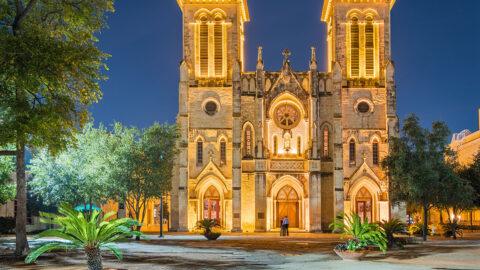
Located in the heart of San Antonio, San Fernando Cathedral is recognized as one of the oldest cathedrals in the United States, built between 1738 and 1750. Its design reflects a blend of Romanesque and Gothic styles, marked by tall, narrow arches and intricately crafted details. The cathedral has witnessed numerous historical events, including the funeral of famed Texas revolutionary James Bowie and has served as a spiritual home for countless generations.
The cathedral’s interior is equally breathtaking, adorned with stunning stained-glass windows and a beautifully crafted altar that draws the eye upwards. San Fernando Cathedral is not just an architectural masterpiece but also a vibrant part of the San Antonio community, hosting various events, including weddings, cultural festivals, and religious ceremonies. The annual “Fiesta de la Luz” celebration, showcasing light and music, modernizes the cathedral’s historical narrative while engaging the community.
The Cathedral Basilica of Saints Peter and Paul: A Resplendent Religious Center
Located in Tyler, Texas, the Cathedral Basilica of Saints Peter and Paul exemplifies the grandeur of Gothic architecture in its design. Completed in 1890, this majestic structure features a stunning façade complete with twin spires that reach toward the heavens. The cathedral’s interior is further adorned with intricate woodwork, beautifully stained glass, and detailed mural paintings, creating a serene environment for worship and reflection.
As the mother church of the diocese, the Cathedral Basilica plays a significant role not just as a religious institution but also as a cultural hub. The community actively organizes events throughout the year, bringing people together in celebration and prayer. Concerts and art shows often fill its halls, linking sacred spaces with civil expressions of faith and creativity. The Cathedral Basilica stands as a testament to the power of architecture to inspire and unite diverse communities.
The Evolution of Faith: Modern Churches in Texas
In recent years, Texas has seen the rise of modern churches that blend contemporary design with traditional elements. These structures reflect the evolving nature of faith in an increasingly diverse society, often featuring innovative designs that cater to larger congregations while maintaining a focus on community engagement. Such churches strive to create welcoming spaces that resonate with the needs and lifestyles of today’s worshipers.
Threshold: An Innovative Spiritual Space
Threshold, Pastoral Center in Austin, is a prime example of modern ecclesiastical architecture. Designed with an emphasis on sustainability and functionality, the building features an open layout that encourages interaction and engagement among congregants. Its walls are adorned with local art, allowing for a creative expression of faith that resonates with the community.
This contemporary church prioritizes inclusivity, serving as a space for varied religious practices and community gatherings. Leadership actively engages with local organizations, offering programs that tackle social justice issues and foster unity among neighborhoods. As a result, Threshold has become not just a place of worship, but a beacon of hope and resilience in Austin’s diverse landscape, reflecting a fresh approach to spirituality.
St. John the Apostle Catholic Church: A Fusion of Old and New
Located in North Austin, St. John the Apostle Catholic Church encapsulates the essence of a modern worship space while incorporating sacred traditions. The church’s architecture harmoniously blends contemporary design with elements reminiscent of historic churches, such as towering ceilings and spacious interiors designed to accommodate an expanding congregation. Its understated, yet beautiful aesthetics invite parishioners into a space of reverence and community.
The church emphasizes outreach and connection, providing vital support services and community programs designed to uplift the surrounding neighborhoods. Through youth programs, marriage retreats, and social justice initiatives, St. John the Apostle Catholic Church stands as a dynamic force for growth and change. This approach embodies a commitment to serving not just the faithful, but the community at large.
The Role of Historic Churches in Preserving Culture
The historic churches and cathedrals of Texas are more than mere religious sites; they are essential components of the cultural fabric of the state. Each building narrates a unique story, interweaving the complex histories of the communities it serves. These sites are critical for fostering a sense of identity and belonging among residents and visitors alike.
A Living Heritage: Education and Preservation
Many of these churches and cathedrals engage in educational outreach initiatives to ensure that the history and significance of these sites are preserved for future generations. Tours, workshops, and community events invite people to learn about the architectural significance and cultural stories inherent in each site. This educational approach underscores the importance of preserving history through active engagement.
Many historic churches partner with local preservation societies to maintain and restore their structures, ensuring that the integrity of their design is kept intact. Fundraising events and grant applications often support these efforts, allowing communities to take pride in protecting their architectural heritage. This collective responsibility enriches the cultural landscape of Texas and fosters a sense of unity across diverse communities.
Festivals and Celebrations: Bringing Communities Together
Historic churches and cathedrals are often at the heart of various community festivals and celebrations. From annual religious observances to cultural festivals, these sites offer spaces for people to gather, celebrate, and connect over shared values and beliefs. Festivities like Día de los Muertos and Christmas Masses draw crowds, creating a vibrant atmosphere where faith and cultural traditions merge.
Such events provide an opportunity for communities to celebrate their unique identities and pass down traditions to younger generations. The role of historic churches in these celebrations cannot be overstated, as they foster a sense of belonging and tradition that cements communal ties. As these festivals enhance the cultural significance of the churches, they stand as pillars of local identity and history.
A Trip Worth Taking: Visiting Texas’ Historic Churches
Whether you are a history enthusiast, an architecture lover, or someone seeking a deeper understanding of Texas’s diverse cultural landscape, visiting the historic churches and cathedrals of the state offers a rich experience. Each visit tells stories of faith, culture, and resilience, inviting exploration at every turn. From the enduring beauty of the Alamo to the intricate designs of modern cathedrals, Texas’ churches provide insight into the shared journey of its residents.
Tourists and locals alike should consider incorporating these historic sites into their travel itineraries. Many churches offer guided tours to enrich the visitor experience, providing context and Sparking conversations around the significance of architecture and communal beliefs. For those who wish to dive deeper, attending a service or participating in a festival can connect visitors to the vibrant spiritual life harmoniously interwoven with Texas history.
Ultimately, Texas’ historic churches and cathedrals not only represent architectural marvels but also embody the shared stories of people who have come together in faith and community. These spaces, echoing with hymns of the past and present, remind us of the rich tapestry of cultures that define this great state. A visit to these historic structures is not just a journey through time but a path towards understanding the heart of Texas.