








Exploring Arlington, Texas: A Journey Through Historic Sites and Monuments
Arlington, Texas, is often overshadowed by its larger counterparts in the DFW Metroplex, yet this vibrant city boasts a rich tapestry of history and culture manifesting through its numerous historic sites and monuments. From its early days as a settlement to its transformation into a bustling urban center, Arlington’s historical landmarks reflect the evolution of the community and its significance in Texas history. For those keen on exploring the past, the city presents an array of intriguing destinations that tell stories of resilience, innovation, and community.
The historic sites in Arlington not only offer a glimpse into the past but also serve as a testament to the city’s diverse cultural heritage. Visitors and locals alike can immerse themselves in the stories that have shaped Arlington’s identity over the decades. Whether you’re a history buff, a casual visitor, or a resident looking to connect with your city’s roots, Arlington’s monuments and landmarks are waiting to be discovered.
The Heart of Arlington’s History: The Arlington Museum of Art
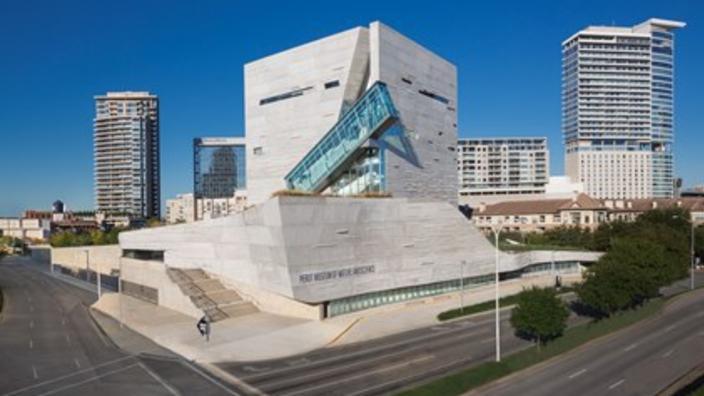
Located in the heart of downtown, the Arlington Museum of Art is a pivotal institution dedicated to showcasing the artistic endeavors of regional, national, and international artists. Established in 1989, the museum plays a significant role in enriching the cultural landscape of Arlington, offering rotating exhibitions that range from contemporary works to historical retrospectives.
One of the museum’s most notable features is its commitment to incorporating local history into its exhibits. The Arlington Museum of Art regularly hosts events that celebrate local artists and their contributions to the community. Additionally, educational programs geared towards students and families provide invaluable insights into the art world while emphasizing the importance of preserving local culture. The museum stands not only as a beacon of artistic expression but as a cultural repository where stories of Arlington’s past are perpetuated through various art forms.
With its engaging exhibitions and community-oriented approach, the Arlington Museum of Art is more than just a place to view art; it serves as a central hub for dialogue and exploration. Visitors can attend art workshops, lectures, and special events that delve deeper into the historical narratives that shaped the city, fostering a greater appreciation for the cultural assets of Arlington.
Exhibitions that Reflect Local Heritage
Throughout the year, the museum hosts multiple exhibitions, many of which reflect the diversity of Arlington’s heritage. For instance, the *Texas Statehood Exhibition* outlined the era of Texas’ entry into the union and its implications for local communities. This exhibition offers resources for understanding how Arlington transformed during this pivotal moment in history. Through photographs, documents, and various art pieces, visitors gain insight into the daily lives of Arlington’s earliest settlers and the socio-political climate they navigated.
Special exhibits are not the only highlight; the permanent collection also features works that depict life in Arlington across different eras. Artists such as John W. Jones and Mary Ellen O’Neal captured the essence of life in this community through their lenses and brush strokes, offering a dual perspective of both the struggles and triumphs faced by its residents. The museum’s dedication to highlighting local talent transforms the space into a mosaic of stories interwoven through time and space.
Historic Landmarks: The Foundations of Arlington
One cannot discuss Arlington’s history without mentioning its noteworthy landmarks. These sites not only paint a picture of the city’s past but also serve as pillars of identity for its residents. The restoration of historical buildings is essential for preserving the architectural legacy of Arlington. Significant structures such as the historic City Hall and the historic 1903 courthouse provide a tangible connection to the city’s governance and community development.
Arlington City Hall is a prime example of early 20th-century architecture that continues to bear witness to the evolution of public service in the area. Established in 1914, City Hall showcases the Art Deco stylings that were popular during that era, and its ongoing renovations speak to the effort made to maintain the building’s historical integrity while adapting it for contemporary use. The building houses government offices and continues to anchor community events, making it a vital part of Arlington’s social fabric.
The Arlington Court House: A Glimpse into Judicial History
The historic courthouse, located just a short walk from City Hall, has served as a cornerstone of justice in the region since its completion in 1903. Recognized for its stunning architecture, the courthouse features elements of both Romanesque and Neo-Classical design, making it a visually striking landmark. For many, this building represents more than a place where legal matters are addressed; it symbolizes the rule of law and the community’s commitment to justice.
Today, the courthouse is still active, and visitors can schedule tours to learn about its history and the stories tied to the judicial proceedings that have taken place within its walls. It also serves as a backdrop for community gatherings, reinforcing its role as a historical touchstone within Arlington. By providing learning opportunities and supporting civic involvement, the courthouse enriches the understanding of local governance and its historical context.
The Story of Transportation: The Texas & Pacific Railway Depot
The Texas & Pacific Railway Depot stands as a testament to Arlington’s rich transportation history and its role in the broader narrative of American expansion. Constructed in 1901, this depot was pivotal in connecting Arlington to major cities across Texas and beyond, facilitating growth, trade, and migration. Visitors to the depot can explore the architectural features that define early railway stations, from the large waiting room to the iconic brick façade.
Currently, the depot is undergoing efforts aimed at preservation, transforming it into a multifaceted space for community engagement. The ongoing renovations are not solely about restoration but also about reinvention—creating a vibrant hub for events, arts, and cultural programs. This initiative aims to attract a diverse crowd, highlighting the importance of transportation in the development of Arlington while encouraging a new generation to engage with the city’s historical narrative.
The Great Influence of the Railway on Arlington
The Texas & Pacific Railway Depot was crucial in shaping Arlington’s economy and community dynamics. The railway’s arrival opened the floodgates for new businesses, allowing local farmers to transport their goods to larger markets, which significantly boosted the local economy. The depot not only enabled commerce but also facilitated population growth as people moved to the area in search of opportunities fomented by the newfound accessibility.
Today, the depot serves as a historical reminder of how transportation shaped Arlington’s identity and continues to connect residents and visitors alike to its rich past. The railway’s legacy is observed not just in the physical structure but also in the ongoing community events held nearby, reinforcing the significance of travel and connection in both past and present contexts.
Veterans Park: Honoring Those Who Served
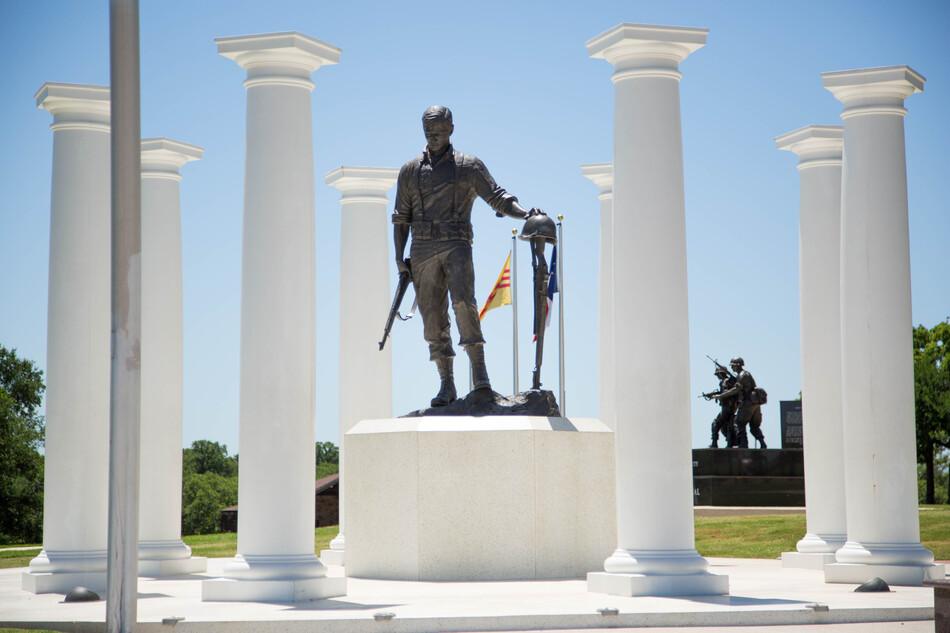
No exploration of Arlington’s historic sites would be complete without a visit to Veterans Park. This space honors the sacrifice and service of U.S. military veterans and stands as an essential acknowledgment of the contributions made by those who have served. The park features several monuments and memorials, including a moving statue dedicated to the city’s veterans, shaped by the history of conflict and peace.
Veterans Park is home to the Arlington Veterans Memorial, which acts as a focal point for reflection and remembrance. Each year, the community gathers here for various commemorative events, fostering a sense of belonging and unity as people come together to honor those who have protected their freedoms. The park also serves as a space for education about military history, with informational plaques chronicling the experiences of Arlington’s soldiers throughout different wars.
A Community Commemorates
As Arlington grows, so too does its commitment to remembering the sacrifices of its veterans. The annual Veterans Day Ceremony held at the park brings together citizens, families of veterans, and officials to pay tribute to those who have bravely served. This event underscores the community’s acknowledgment of the importance of remembering the past while actively engaging in the present. Through speeches, presentations, and musical tributes, the city reinforces the values of bravery and patriotism, tying Arlington’s history with the national narrative.
The inclusion of such a memorial park reflects a strong cultural sentiment in Arlington—one that cherishes the memory of those who have fought for the nation while recognizing the continuing impact of their sacrifices on the fabric of local life. In Veterans Park, the community finds not only a space for remembrance but a powerful connection to Arlington’s overarching story of resilience and honor.
Preserving the Past for Future Generations
Arlington’s commitment to preserving its history is a vital aspect of its identity. The city continually invests in the restoration and maintenance of its historic sites, recognizing their importance in shaping both community values and local identity. This dedication reflects a broader understanding that knowing one’s history is central to forging a connection to the present and building a vision for the future.
As visitors wander through Arlington’s maritime history, cultural landscapes, and architectural treasures, they engage with a narrative that is deeply rooted in local experience. The stories told through its monuments, museums, and public spaces enable residents and tourists alike to appreciate the vibrant past of Arlington while considering its future trajectory.
Whether it’s the monumental walls of the Texas & Pacific Railway Depot, the civic pride emerging from the Arlington Museum of Art, or the poignant reminders at Veterans Park, every site and story contributes to the city’s evolving identity. These heritage sites are not merely remnants of bygone eras but living histories that continue to influence the community today.
With ongoing efforts to enhance community engagement with historical narratives, Arlington stands as a vibrant community that values its past, and looks forward to a future where history continues to serve as a guide and inspiration. The diverse historic sites and monuments provide not just a sense of place but also underscore the importance of different perspectives, remembrance, and celebration within a city that is rich with history.