








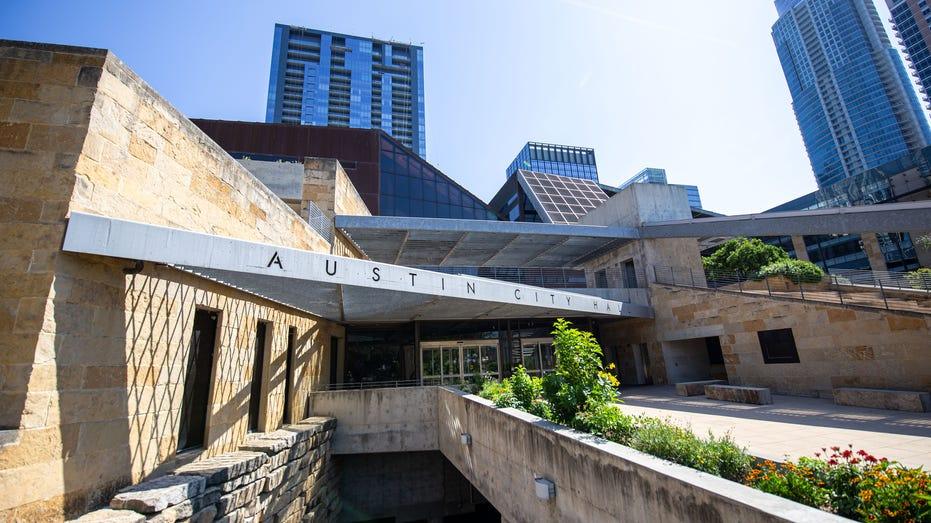
AUSTIN, Texas – The Austin City Council has unanimously approved the TRUST Act, a significant measure aimed at establishing a regulatory framework for the use of surveillance technology within the city. This decision comes as a controversial proposal for park surveillance cameras was removed from the agenda for the second consecutive time.
The TRUST Act seeks to enhance transparency and accountability regarding surveillance practices. Council Member Chito Vela, who introduced the legislation, emphasized the importance of safeguarding privacy and personal liberties while recognizing the potential benefits of surveillance in aiding law enforcement. Public comments during the meeting were overwhelmingly in support of the measure, with many speakers highlighting the need for robust privacy protections.
Vela explained that the TRUST Act will require city staff to provide detailed reports on privacy safeguards, data sharing, and retention policies before any surveillance technology item is presented to the council. This process aims to foster informed discussions and thorough debates among council members.
Some council members voiced concerns about the expedited process of introducing the TRUST Act, particularly regarding the last-minute addition of a lengthy policy document. Council Member Marc Duchen expressed his apprehension about the limited time frame for understanding the resolution, suggesting that it warranted further deliberation.
In response, Vela noted that city staff had been developing the resolution for over a year, studying how peer cities manage similar issues. He also revealed that the timeline for departments to formulate policies around surveillance technology would be extended from 180 to 270 days, with the final ordinance expected to be presented in April.
Looking ahead, Vela anticipates that additional technology contracts will be brought before the council, including those related to the previously discussed park surveillance cameras. He stressed the necessity of maintaining strict controls over data usage, ensuring that information collected is solely for city purposes and not shared with third parties for any AI training or similar uses.
Additionally, an independent audit ordinance was also part of the council’s agenda but was postponed to February 26 for further discussion. Meanwhile, the group Save Austin Now is actively petitioning to place an independent audit charter on the ballot, highlighting ongoing public interest in oversight and accountability.