








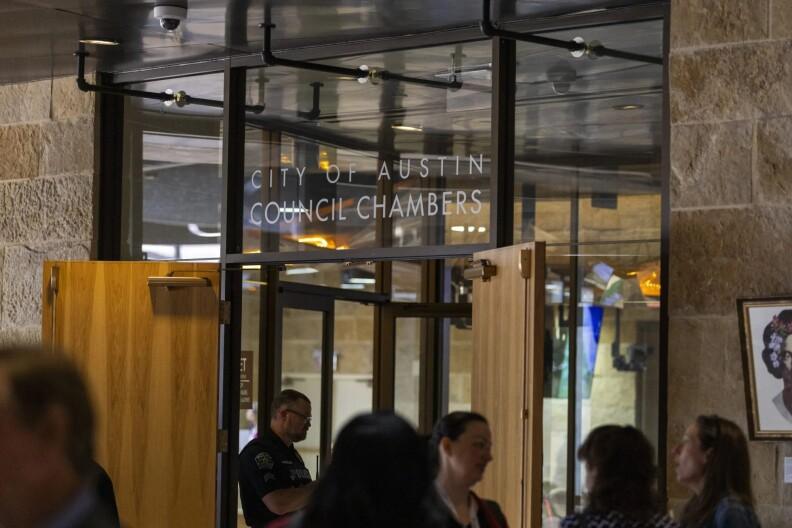
The Austin City Manager’s Office is reconsidering its strategy for technology services consolidation in light of significant employee and council pushback. This comes after a resolution passed by the Austin City Council in 2024 mandated a review of the city’s technology spending and processes. The proposed plan, known as “One ATS,” aimed to streamline technology operations across the city, but many employees and the city’s labor union have raised alarm about potential risks, including threats to emergency response capabilities and increased vulnerability to cyberattacks.
City Manager T.C. Broadnax has argued that the consolidation could save the city hundreds of millions by reducing duplicative applications and inefficient operations. However, feedback from technology workers has been overwhelmingly critical, with concerns that such changes could disrupt city services. The backlash prompted a subquorum of council members, led by Council Member Mike Siegel, to propose postponing the consolidation efforts. Siegel emphasized the importance of retaining skilled employees who are dedicated to serving the community and expressed fears that the plan might lead to significant attrition.
In response to the mounting concerns, Broadnax indicated a willingness to adopt a more measured approach, suggesting an exploration of alternatives to a complete consolidation. One option under consideration is a federated model, which would allow certain IT staff to remain within their existing departments while still benefiting from a centralized structure. This approach aims to combine the advantages of both centralization and decentralization, ensuring that skilled employees remain close to the departments they serve.
During a recent City Council work session, city executives spoke to address the concerns raised by technology workers. Although no formal action was taken, nearly two dozen employees from various departments voiced their opposition to the consolidation, highlighting the unique skills they bring to their roles. A petition with over 800 signatures opposing the plan was also presented to city leaders. IT supervisor Stefan Wray from Austin Public Health underscored the critical role of embedded health IT staff during the COVID-19 pandemic, arguing that their contributions directly saved lives.
The push for consolidation was initiated following the passage of a resolution directing a review of technology services, yet many employees felt blindsided by the rapid development of the plan. They expressed concerns about the lack of discussion surrounding the significant reorganization and the risks that had not been adequately addressed. Following the resolution, the city engaged three consultants to assess the consolidation’s potential, estimating annual savings of over $140 million.
Initially, the first phase of the consolidation was set to be completed by May 2026, with employees expecting notifications about their new assignments. However, after facing criticism, city management announced that certain specialized operational roles would not transition into the centralized structure. The timeline has since been adjusted, with new team assignments for city technology workers now expected by mid-August, affecting approximately 200 staff members initially.
Subsequent phases of the consolidation plan will impact more than 400 additional employees across various departments. City executives anticipate completing the third phase by the end of 2027, which would involve the remaining non-operational technology staff. Siegel expressed gratitude that city management has responded to concerns by narrowing the scope of the consolidation and slowing its implementation, emphasizing the importance of careful consideration in the process.