




In an innovative move to support local musicians, the Downtown Commission in Austin is advocating for the establishment of a “green room” at Central Presbyterian Church. This space would provide musicians with a quiet, alcohol-free environment to store their equipment, recharge between gigs, and even grab a meal.
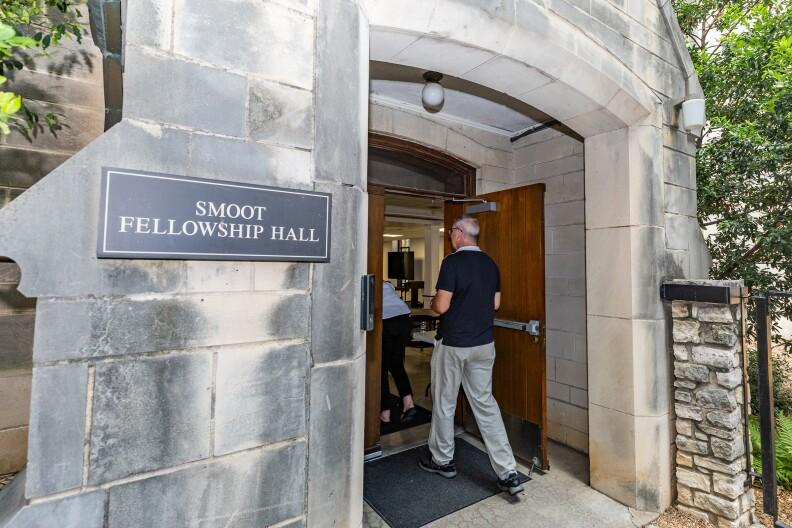
Typically, the Smoot Fellowship Hall at Central Presbyterian serves various community purposes, from hosting programs for refugees to providing meals for the homeless. However, under the new proposal, the hall would transform into a musician-friendly space during the bustling evening hours, allowing artists to unwind before or between performances at nearby venues.
This initiative is part of a larger set of budget proposals put forth by the Downtown Commission, which also includes requests for late-night safety escorts and subsidized parking for musicians. Advocates believe these measures would significantly ease the challenges faced by artists performing in the downtown area.
As the City Council prepares to address a projected multimillion-dollar budget deficit, these proposals will vie for funding alongside numerous other requests. The council is set to review a proposed $6.6 billion budget from City Manager T.C. Broadnax in the coming weeks.
Supporters of the green room project remain optimistic about securing municipal funding but are also exploring alternative avenues. Central Presbyterian Church, in collaboration with Austin Texas Musicians and other partners, is considering philanthropic contributions and private donations if the initiative gains momentum.
The proposed green room would initially function as a pilot program on Thursday, Friday, and Saturday evenings, coinciding with the busiest times for downtown music venues. Musicians would have a place to rest, store their gear, and enjoy food and drinks, providing a welcome alternative to typical bar fare.
Pastor Jack Barden emphasized that the green room aligns with the church’s mission of fostering community and hospitality. Central Presbyterian already plays a pivotal role in the downtown area, hosting a variety of events and programs aimed at supporting those in need.
Pat Buchta, CEO of Austin Texas Musicians and a member of the Downtown Commission, noted that the idea emerged from discussions with musicians who often find themselves with limited options for downtime between shows. Many performers prefer to avoid bars, especially those who maintain sobriety.
For local singer-songwriter Kaytee Klinkenberg, preparing for a gig involves considerable effort. From packing gear to navigating parking challenges, the logistics can be overwhelming. Klinkenberg shared that the green room would provide a much-needed solution for safely storing equipment and regrouping between performances.
Frances Ferguson, a leader at Central Presbyterian who helped develop the proposal, views this initiative as a vital investment in the infrastructure needed for musicians to thrive in the downtown area. The proposal outlines a one-year commitment to operate the green room three nights a week, with an estimated cost of just over $121,000 for rental, security, and janitorial services.
Ferguson believes that revitalizing the downtown music scene goes beyond simply offering performance opportunities. It requires building a robust community infrastructure to support artists, ensuring that they can make a sustainable living in the vibrant Austin music landscape.