





Texas has earned a disheartening reputation for its book banning practices, particularly in relation to literature by Black authors. The state ranks as the second worst in the nation for the suppression of books, leading to a troubling trend that undermines the educational landscape.
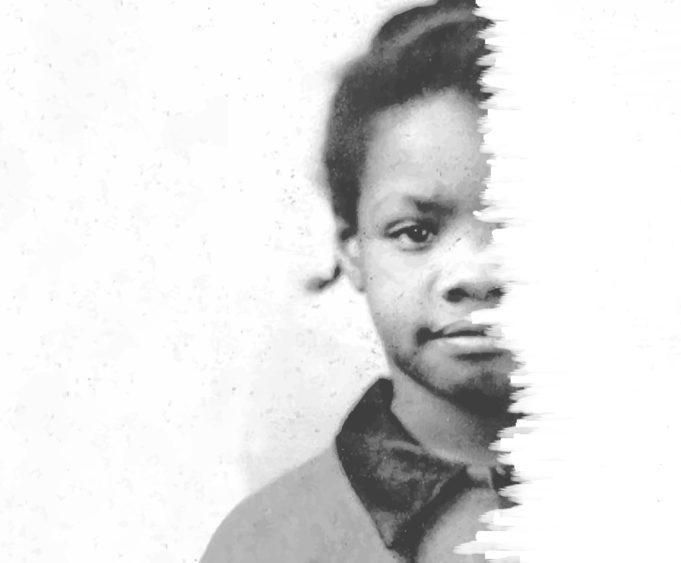
The phrase “whited out,” historically associated with using Liquid Paper to obscure text on typewriters, has taken on a new meaning in today’s context. It reflects the systematic erasure of important literary voices from school libraries, reminiscent of a bygone era when reading was an integral part of education.
Recent insights from PEN America, a renowned organization advocating for free speech, reveal a disturbing escalation in book censorship across American schools. Their report highlights an unprecedented wave of book bans, asserting that never before have so many titles been removed from libraries, nor have so many states enacted regulations to facilitate such removals. The report underscores the alarming trend of political pressure on school leaders to conform to specific ideological viewpoints, sometimes threatening funding as a means of coercion.
In Texas, the statistics are staggering, with 1,738 banned books identified in just seven large school districts. While smaller districts may have even higher numbers, the general trend indicates a widespread aversion to literature that challenges conservative values. This environment has led to a paradox where the very slogans advocating for freedom and choice seem hollow when so many stories are being stripped from children’s access.
A significant number of the banned titles focus on LGBTQ+ themes, raising questions about the discomfort of many Texans with narratives that diverge from traditional norms. This apprehension extends even to works that critique Texas politics, suggesting a broader fear of diversity in perspectives.
However, the most glaring issue is the overt banning of works by Black authors. Iconic novels such as The Color Purple by Alice Walker, Beloved and The Bluest Eye by Toni Morrison, and I Know Why the Caged Bird Sings by Maya Angelou have all been targeted for removal. These titles are not just literary masterpieces; they are crucial to understanding the African American experience, making their absence in schools particularly alarming.
The list of banned books also includes titles like Cesar Chavez: Fighting for Farmworkers and Diego Rivera: Art of the People, illustrating a broader pattern of suppressing narratives that reflect diverse cultures and histories.
Interestingly, even contemporary works such as The Handmaid’s Tale by Margaret Atwood face censorship, revealing a deep-seated discomfort with narratives that challenge prevailing societal norms. This trend provokes nostalgia for a past era when literature was more freely accessible, contrasting sharply with the current climate of fear and censorship.
The PEN America index serves as a stark reminder of the ongoing struggles for representation and access to diverse stories, particularly during Black History Month. The growing unease among some Texas residents about these themes raises critical questions about the future of education and the values being imparted to the next generation.