



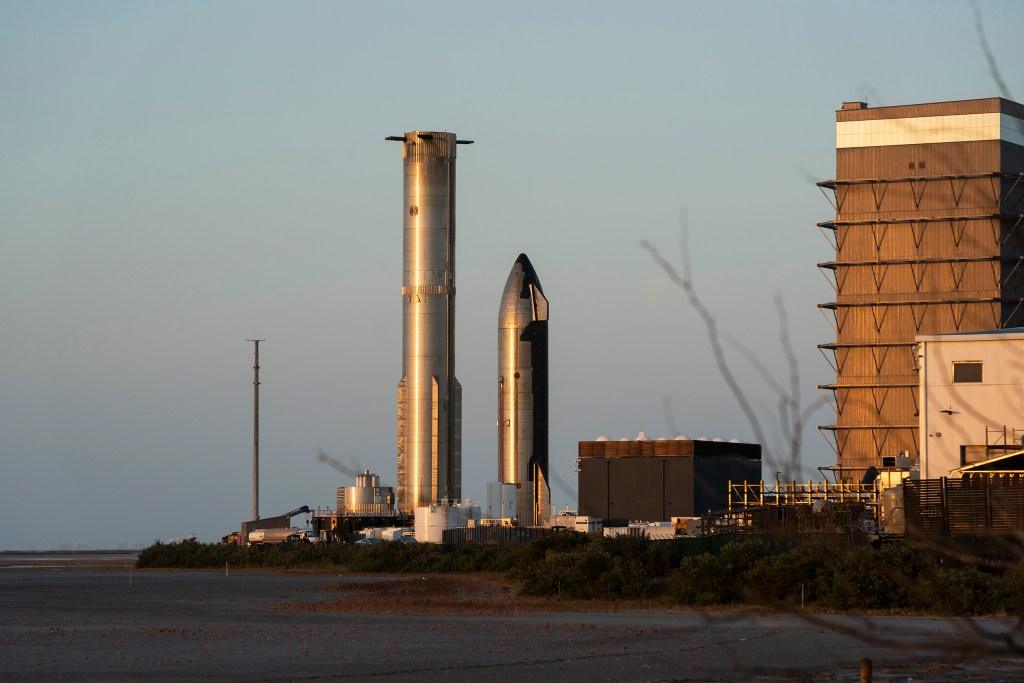
In McAllen, conservation organizations are actively working to halt a land exchange between the U.S. Fish and Wildlife Service (USFWS) and SpaceX, which could significantly impact wildlife habitats in the region. This month, the USFWS approved a deal that would allow SpaceX to acquire 715 acres of land within the Lower Rio Grande Valley National Wildlife Refuge, trading it for 683 acres of private land adjacent to the Laguna Atascosa National Wildlife Refuge.
The coalition opposing the land swap includes the Center for Biological Diversity, Save RGV, and the South Texas Environmental Justice Network, alongside the Carrizo/Comecrudo Nation of Texas, an indigenous nonprofit organization that regards the land in question as sacred, despite lacking federal recognition. These groups aim to preserve the area to safeguard its diverse wildlife, particularly the endangered ocelot, and contend that SpaceX’s operations, including rocket test launches, are already harming the environment.
Laiken Jordahl, a national public lands advocate at the Center for Biological Diversity, expressed strong concerns about the implications of the land exchange. “Our protected public lands are being gifted for the benefit of the world’s richest man, who could trash them while playing with his exploding rockets,” Jordahl stated. She emphasized the hard work and taxpayer funding that have gone into conserving these lands for vulnerable species.
The lawsuit, filed on Wednesday, argues that the land swap contradicts the National Wildlife Refuge System Improvement Act, which defines the purpose and management of refuge lands. The plaintiffs assert that the USFWS has violated the National Historic Preservation Act by approving a deal that threatens historical sites.
Moreover, the groups contend that the environmental analysis conducted for this transaction fails to comply with the National Environmental Policy Act, claiming that it inadequately assessed potential impacts and did not explore reasonable alternatives. The USFWS employed “Biological Importance Scores” to evaluate the land exchange, with scores based on habitat quality, refuge connectivity, and critical habitat. The land proposed for SpaceX’s acquisition received a lower score compared to the land being exchanged.
The USFWS has maintained that the land swap will not have significant adverse effects on public health, safety, or environmental resources. The agency began discussions with SpaceX regarding the land exchange in 2023, aiming to consolidate fragmented land ownership.
Since the 1990s, when much of the land was acquired to protect natural resources, the surrounding area has faced considerable industrial development, particularly due to SpaceX’s expanding operations. This industrial activity has led to increased disturbances, such as noise and light pollution, which have negatively impacted the conservation value of nearby habitats.
The USFWS indicated that it anticipates SpaceX will utilize the newly acquired land for various developments, including residential and commercial projects. The land being exchanged to SpaceX is adjacent to both the Lower Rio Grande Valley and Laguna Atascosa National Wildlife Refuges.
Some of the parcels of refuge land that would transfer to SpaceX include sites within the Palmito Ranch Battlefield National Historic Landmark, recognized as the location of the last battle of the Civil War. Conservation groups fear that SpaceX may not adequately protect the historical significance of these areas.
In response, the USFWS has established a programmatic agreement with SpaceX, the Texas Historic Commission, and the National Park Service to ensure the ongoing management of historic properties affected by the exchange.
In 2024, SpaceX also explored a separate land swap with Texas Parks and Wildlife that would have involved transferring 477 acres in exchange for 43 acres from Boca Chica State Park. That deal was similarly met with litigation from conservation groups before SpaceX ultimately withdrew.