









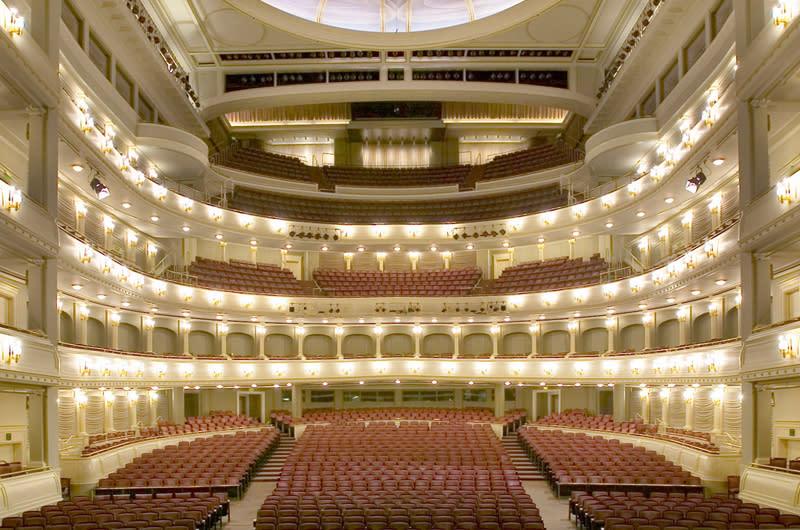
The Allure of Dallas’ Historic Theaters and Performance Halls
Dallas, Texas, is a city that boasts a rich cultural heritage and an array of historic theaters and performance halls that have played a crucial role in the city’s artistic evolution. These venues are not merely structures; they are cultural landmarks that reflect the history, diversity, and creativity of the region. Each theater has its own story, its own architectural splendor, and its own connection to the community that frequents it. As the arts continue to thrive and evolve, these historic venues serve as cherished reminders of the past.
With a vibrant performing arts scene, Dallas lives up to its reputation as a cultural hub of the Southwest. From grand opera houses to intimate playhouses, the theaters of Dallas are steeped in stories and offer a variety of performances ranging from musicals and operas to contemporary dramas. The subtleties of design, the acoustics of the performance halls, and the legacy of artistic expression all come together to make these venues special. Let’s delve into some of the most iconic historic theaters in Dallas and explore their significance in the cultural landscape.
The Majestic Theatre
Opened in 1921, the Majestic Theatre is one of the most beloved and historically rich venues in Dallas. Designed by architect John Eberson, this theater captures the essence of the late 1920s with its stunning atmospheric design, intended to mimic an outdoor garden with a starlit sky. This decor creates an enchanting aura that enhances the audience’s experience, making it a favorite for both performers and attendees.
The Majestic Theatre has served multiple purposes throughout its history. Initially a movie palace, its grand design made it a popular destination during the peak of silent films, showcasing classic movies alongside vaudeville performances. After a decline in the mid-20th century, the theater faced the threat of demolition but was saved by preservationists who recognized its cultural and historical significance. Today, it is home to the Dallas Opera and hosts various events, including Broadway shows and concerts, ensuring that its legacy continues to thrive.
The theater has undergone extensive renovations to preserve the original features while modernizing the facilities for contemporary audiences. Attendees can enjoy not only the performances but also the grandeur of its architectural details, including the intricate frescos and ornate plasterwork. The Majestic is more than just a venue; it is a testament to the resilience of Dallas’ cultural identity.
In addition to its architectural wonder, the theatre plays an important role in promoting arts education within the Dallas community. It actively engages local schools and organizations, opening its doors for educational workshops and special events that inspire the next generation of artists and theatergoers. The Majestic Theatre perfectly encapsulates the blend of historic charm and modern vitality that makes Dallas’ performing arts scene so dynamic.
The Dallas Theater Center
Founded in 1959, the Dallas Theater Center (DTC) has contributed significantly to the city’s cultural landscape. It is particularly well-known for its emphasis on new works and engaging theatrical experiences, making it a cornerstone of Dallas’ artistic community. The DTC operates out of the multi-theater complex located at the Kalita Humphreys Theater, designed by iconic architect Frank Lloyd Wright, which further enhances its status as a landmark of innovative design in performance art.
The DTC produces engaging new plays alongside classic works, showcasing a diverse range of voices and stories. Its programming underscores a commitment to both artistic excellence and community engagement, regularly featuring works by local playwrights and providing a platform for emerging artists. The theater offers a variety of educational programs aimed at demystifying the theatrical process for schools and community groups, fostering creativity and learning in total.
Over the decades, DTC has achieved multiple accolades for its innovative productions and contributions to the performing arts. It is renowned not only for quality but also for its commitment to fostering a sense of community spirit and inclusivity. This dedication is evident in its outreach efforts, often collaborating with local organizations to connect with diverse audiences and engage with issues relevant to the community.
As a proactive force in the local arts scene, the Dallas Theater Center continually seeks to redefine the traditional theater experience. By embracing both technology and innovative staging, DTC challenges boundaries and preconceptions about contemporary theater, ensuring that it remains a vital resource for the city of Dallas. From collaborations with renowned artists to grassroots projects, DTC embodies the city’s artistic vision, creating a dynamic forum for expression and exploration.
The Granada Theater
The Granada Theater, located in the heart of East Dallas, is another historically significant venue that has maintained its charm and resonance through the years. Opened in 1946, this theater was initially designed as a movie palace before eventually transitioning to live music events. Its stunning Art Deco style, combined with a spacious interior and impressive acoustics, has made it a favorite spot for both local and national artists.
The Granada is not just a musical venue; it serves as a gathering place for the community, regularly hosting charity events, community gatherings, and screenings. Its commitment to the local area is reflected in its selection of artists, often highlighting local talent and genres that resonate with the Texas music scene. The theater has become an essential stop for a variety of musicians, from indie bands to nationally recognized acts, each adding their unique flair to the venue’s storied history.
For many patrons, a night at the Granada is not just about music; it encapsulates the experience of attending a historic venue rich with stories and memories. Numerous artists have graced its stage, and the vibrant atmosphere enhances the connection between performers and audiences alike. Many concertgoers rave about the intimate setting, which fosters a deep sense of community and shared experience, allowing them to feel closer to the music.
Over the years, the Granada has continued to evolve while retaining its historic charm. The theater has invested in renovations to upgrade sound systems and seating while keeping the vintage aesthetic intact. This balance between modernization and preservation makes the Granada a quintessential example of how historical theaters can adapt to contemporary entertainment needs while honoring their roots. The Granada Theater is an embodiment of the life and spirit that pulsates through Dallas’ ever-evolving music scene.
The Texas Theatre
The Texas Theatre, opened in 1921 and nestled in the Oak Cliff neighborhood, carries with it a poignant reminder of Dallas’ cinematic history. It was initially erected as a vaudeville and movie theater, later gaining notoriety as the site where Lee Harvey Oswald was arrested in 1963. This moment in history has added to the theater’s mystique, yet it is its subsequent transformation into a vibrant cultural hub that defines its current legacy.
Today, the Texas Theatre is celebrated for its eclectic programming, showcasing independent films, classic cinema, and live performances. This progression from a conventional movie house to a multifaceted cultural venue reflects the ongoing evolution of cinema and community engagement. The theater’s commitment to preserving its historical significance while embracing contemporary art forms resonates with audiences who seek alternative entertainment experiences.
The theater has made a concerted effort to involve the surrounding community by offering screenings and performances that reflect local interests, culture, and diversity. Workshops, film discussions, and local artist showcases are part of the programming that aims to unite diverse audiences, encouraging an appreciation for both film and the performing arts.
Renovations have revitalized the interior while paying homage to its historical lineage, with original architectural features preserved alongside modern amenities. The Texas Theatre has thus secured its place in Dallas not only as a historic site but also as a vital link to the vibrant, diversified culture of contemporary cinema and live performance.
Embracing the Future of the Arts in Dallas
The various historic theaters and performance halls in Dallas encapsulate a vibrant tapestry of artistic expression and community involvement. As these venues continue to adapt to modern needs and embrace new performances, they remain steadfast in their commitment to showcasing both local talent and distinguished productions. The stories housed within each theater tell a narrative not only of entertainment but also of resilience, culture, and community. These venues do not just offer performances; they provide generations with shared experiences and memories that linger long after the curtain falls.
As Dallas evolves, so too does the mission of its historic theaters. They actively work towards preserving their legacies while also exploring innovative formats and partnerships that enhance artistic expression. This approach allows them to resonate with younger generations, bridging the gap between traditional performances and contemporary art forms.
The preservation and promotion of Dallas’ theaters serve as crucial components in the city’s cultural identity. By continuing to provide a platform for diverse voices and narratives, these performance halls ensure that Dallas remains a vibrant and inclusive hub for art and culture. Ultimately, they embody the spirit of the community that supports them, ensuring the arts will always have a place within the heart of the city.