






Exploring El Paso, Texas: A Journey Through Historic Battle Sites and Forts
El Paso, Texas, a city steeped in rich history, serves not only as a vibrant cultural hub but also as a significant location for examining military heritage in the American Southwest. Renowned for its historic battle sites and forts, El Paso paints a vivid picture of the struggles and successes that have shaped the region from the Spanish colonial era through the modern day. Nestled at the crossroads of several cultural influences and a key point in the U.S.-Mexico border, El Paso offers historians, travelers, and curious locals alike a unique glimpse into the past.
This lively city is a testament to the strategic importance of its geographical location, which has been a focal point for various conflicts over the centuries. From the early Native American tribes to the tumultuous days of the Mexican-American War and beyond, El Paso’s landscape is dotted with remnants of forts and battle sites that reveal stories of resilience, conflict, and peace. Visitors today can explore these sites, gaining a deeper understanding of the events that have shaped not only Texas but the entire nation.
The Early Years: Native American Presence and Spanish Colonization
Before European settlers arrived, the El Paso area was inhabited by indigenous tribes such as the Suma and Mescalero Apache. These tribes navigated the rich landscape, forming complex societies that thrived amidst the harsh desert conditions. Evidence of their presence can still be found at various archaeological sites scattered throughout the region.
In the late 1500s, Spanish explorers ventured into the El Paso area, driven by the quest for new territories and resources. Spanish colonization drastically changed the demographic landscape, establishing missions and settlements along the Rio Grande. The establishment of these missions marked the beginning of a significant cultural blend, fostering interactions between the Spanish colonizers and the Native American tribes.
The Spanish founded the Mission del Paso del Norte in 1659, an important religious and cultural institution that played a crucial role in uniting the disparate communities of the area. This mission served not only as a place of worship but also as a center for trade and cultural exchange. The influence of Spanish colonialism is still palpable in El Paso today, as seen in the architecture, festivals, and traditions that make the region unique.
Fort Bliss: A Military Stronghold
One of the most significant military installations in El Paso is Fort Bliss, established in 1849. Initially built to protect settlers and trade routes from hostile forces, the fort has evolved over the decades into a crucial training ground for U.S. military personnel. The fort’s strategic location made it an essential asset during the Indian Wars and the Mexican-American War.
Fort Bliss has witnessed numerous changes throughout its history, particularly during the World Wars when it expanded significantly to accommodate training for troops. Today, it covers more than a million acres and serves as a vital hub for military operations, including air defense and combined training exercises with allied forces.
Visitors to Fort Bliss can explore its rich military history through the Fort Bliss Museum and Study Center, which showcases an extensive collection of artifacts, photographs, and documents. The museum provides insights into the challenges faced by soldiers over the years and highlights the fort’s role in fostering peace through military readiness. Notably, the museum includes exhibits detailing the experiences of the 1st Armored Division, which has been based at Fort Bliss since 1966, making it a focal point of the fort’s ongoing legacy.
Historic Battle Sites: The Mexican-American War
El Paso’s significance grew during the tumultuous period of the Mexican-American War (1846-1848). Situated near the U.S.-Mexico border, it played a pivotal role as a logistical hub for both American and Mexican forces. The borderland’s terrain became a battleground for conflicts between these two nations, with many skirmishes emerging as a direct result of border disputes and territorial ambitions.
One of the key sites associated with this conflict is the historic Battle of El Paso, which took place in 1846. Documented accounts illustrate the strategies employed by both the U.S. and Mexican armies, highlighting the military tactics used in desert warfare. El Paso became a site of strategic command as troops maneuvered through the challenging landscape, facing not only the enemy but also the harsh conditions of the environment.
While many battles occurred away from the city center, the impact of the Mexican-American War shaped the evolution of U.S. policies toward the southwestern territories. As a result of the conflict, the Treaty of Guadalupe Hidalgo was signed in 1848, which led to significant territorial gains for the United States, marking a pivotal moment in the shaping of modern-day America. Debate about this conflict still resonates today, with discussions centered on issues of land claims, migration, and cultural integration.
The Civil War: El Paso’s Strategic Importance
During the American Civil War (1861-1865), El Paso’s strategic location made it a vital point for both Confederate and Union forces. Although the region did not experience as many battles as other parts of the country, its proximity to the Rio Grande led to supply routes being established and raided by both sides. The city’s forts prepared for potential conflicts, enabling them to respond quickly to changing military needs.
Confederate forces aimed to control El Paso to secure supply lines and maintain communication with Mexico, as they sought to negotiate trade agreements and military support through Mexican territory. Fort Bliss played a crucial role during this period, as it was occupied by Confederate troops before being reclaimed by Union soldiers as the war progressed. The struggle for El Paso illustrated the broader conflicts within Texas during the Civil War, as allegiances often shifted based on local sentiments and economic interests.
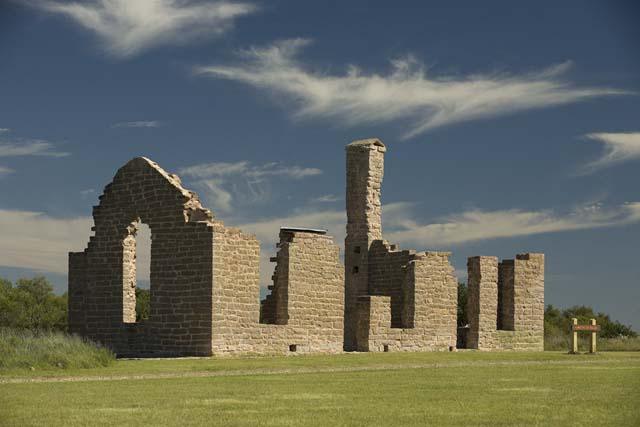
Today, remnants from the Civil War era can still be found in the El Paso region, including the ruins of various camps and forts. History enthusiasts can explore these sites and engage in discussions about the war’s ongoing impact on the nation’s social fabric, particularly regarding issues of state rights and national unity.
Modern-Day Remembrance and Preservation Efforts
As El Paso moves further into the 21st century, efforts to preserve its military and battle heritage have gained momentum. Various organizations, including local historical societies and museums, are dedicated to safeguarding the stories and artifacts that reflect the city’s storied past. Enhanced by modern technology, these initiatives aim to educate future generations on the importance of understanding and remembering their historical roots.
One of the key efforts is the El Paso Historical Society, which actively works to maintain historical sites and ensure that their stories are shared with the public. Through educational programs, guided tours, and interactive exhibits, the society endeavors to immerse visitors in the rich tapestry of El Paso’s history, creating a sense of pride in their heritage.
Cultural events, such as reenactments and historical festivals, further contribute to the preservation of El Paso’s narrative. By engaging the community in these activities, residents foster a deeper connection with their history while promoting tourism and education within the region. Additionally, several initiatives are underway to elevate the profiles of specific historic sites, securing funding for restoration and maintenance projects that enable visitors to experience the past in a more meaningful way.
Visitor Experience: Exploring El Paso’s Historical Treasures
For those interested in delving into El Paso’s battle history, there are numerous sites to explore. The aforementioned Fort Bliss Museum is just one part of a larger network of historic landmarks throughout the city. Other notable sites include the Magoffin Home State Historic Site, which provides a glimpse into 19th-century life and the experiences of families who witnessed firsthand the changes in El Paso.
Another essential stop is the El Paso Museum of History, which offers exhibitions detailing the city’s cultural and military history, incorporating artifacts, photographs, and temporary exhibitions that reflect ongoing research and discoveries. These museums not only shine a light on El Paso’s role in military conflicts but also showcase the way cultural exchanges have transformed the region.
Visitors can also engage with the landscape by exploring the scenic trails surrounding the historical sites. Guided walking tours of El Paso’s historic downtown area allow people to appreciate the architecture and the stories contained within the walls of long-standing buildings, some of which date back to the colonization and early statehood.
Whether through museums, forts, or cultural events, El Paso remains a vibrant testament to the military and battle history that is deeply woven into its identity. Understanding the complex narratives that accompany each site fosters a greater appreciation for the sacrifices made throughout history, encouraging peace and unity in a region often defined by its challenges.
Connecting History with the Present
El Paso’s historic battle sites and forts are not merely remnants of the past; they serve as reminders of the multifaceted stories that characterize our nation’s journey. As we explore these locations, it becomes evident that history is not static but rather a living narrative that continues to influence our modern lives.
Through comprehensive preservation efforts and engaging educational programs, El Paso ensures that its rich military heritage remains an integral part of the community’s identity. Embracing history not only honors those who came before us but also equips future generations with the understanding necessary to navigate a complex world.
From its early Native American roots to its role in national conflicts, El Paso stands as a powerful symbol of endurance and resilience. By appreciating the battles fought, both physically and ideologically, visitors and residents alike can celebrate the strength found in unity, culture, and shared histories. In a world where division often prevails, El Paso offers a unique perspective on the strength derived from understanding and respecting the past, advocating for connection and collaboration in a rapidly changing world.