








Unveiling El Paso’s Historic Neighborhoods
El Paso, Texas, a vibrant city located at the confluence of the United States and Mexico, boasts a rich tapestry of history woven through its neighborhoods. The diverse architectural styles, cultural influences, and significant historical events all contribute to the allure of these areas. Each neighborhood tells a story that reflects the community’s evolution, making them fascinating destinations for both locals and visitors.
Exploring El Paso’s historic neighborhoods is akin to embarking on a journey through time. The beauty of these areas lies not only in their physical characteristics but also in the richness of the stories and traditions they uphold. From the elegant homes of the early 1900s to the lively streets dotted with murals, there’s much to discover. Let’s dive into some of El Paso’s most notable historic neighborhoods, their defining features, and what makes each one unique.
Downtown El Paso: A Blend of Old and New
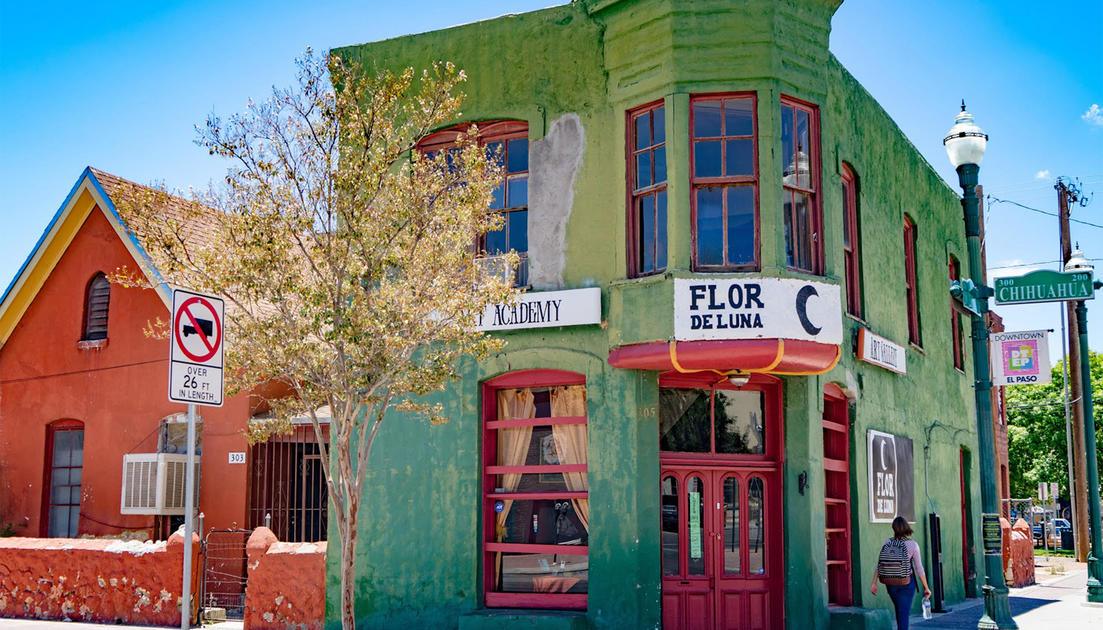
Downtown El Paso stands as a testament to the city’s historical significance and modern revival. Once a bustling hub for commerce and trade, the area is now undergoing a renaissance that enhances its historic charm with contemporary flair. The streets are lined with beautifully restored buildings, each with a story that dates back to the early 20th century. Here, one can find a mix of art galleries, trendy restaurants, and classic theaters, showcasing the city’s evolving cultural landscape.
Walking through downtown, visitors can see structures like the majestic El Paso County Courthouse, renowned for its stunning architecture that represents the Beaux-Arts style. The courthouse, built in 1897, is an iconic feature of the skyline and a beloved landmark for locals. Nearby, the historic Plaza Theatre, an Art Deco masterpiece, hosts a variety of performances and film screenings, bridging generations of El Pasoans through the arts.
The revitalization of downtown has been intentional, with numerous initiatives aimed at preserving its historical integrity while promoting vibrant street life. Local businesses, art installations, and public events fill the area with energy and life. The El Paso Downtown Artist and Farmers Market, for instance, showcases local artisans and agricultural products, all while taking place in the heart of a historic setting.
As you stroll through the area, be sure to take note of the numerous murals that decorate the walls of downtown buildings. These vibrant works of art reflect El Paso’s cultural heritage and serve as a canvas for local artists to express their viewpoints. The downtown art scene is continually evolving, making every visit a unique experience.
Magoffin Historic District: A Captivating Journey Back in Time
Adjacent to the bustling downtown area lies the enchanting Magoffin Historic District, one of El Paso’s most treasured neighborhoods. Established in the late 1800s, this district is recognized for its distinct adobe residences and historical significance. Dedicated to the preservation of its historic homes, the district showcases the unique architecture that is a hallmark of El Paso’s history.
The centerpiece of the Magoffin Historic District is the Magoffin Home State Historic Site, built by the prominent Magoffin family. This beautiful home offers insights into the daily lives of one of El Paso’s early influential families. Visitors can partake in guided tours that detail the architectural styles, landscaping, and the incredible stories of the families who lived here. The home’s adobe bricks and traditional designs reflect the region’s cultural blend.
Walking through the streets of the Magoffin district is like stepping into a time capsule. The winding pathways and lush landscapes evoke a sense of tranquility, contrasting sharply with the urban environment of downtown. It’s common to see residents tending to their gardens or socializing on porches, thereby fostering a tight-knit community atmosphere. The historic homes are often adorned with colorful plants and traditional decorations, further enhancing their charm.
Aside from its aesthetics, the Magoffin Historic District is also known for its community events throughout the year. Block parties, art walks, and seasonal festivals bring residents together, encouraging a spirit of camaraderie. These events allow people to connect not only with their neighbors but also with the historical significance that the district holds.
Chamizal: A Cultural Mosaic
The Chamizal neighborhood presents a unique blend of cultural influences that showcases the rich history of the region. Named after the Chamizal dispute, which redefined the U.S.-Mexico boundary, this area is a symbol of reconciliation and cultural unity. Today, it is celebrated for its vibrant mix of architecture, people, and traditions that reflect the cross-border connections that shape El Paso.
One of the standout features of the Chamizal neighborhood is the extensive park that bears its name—the Chamizal National Memorial. This park not only commemorates the resolution of the border dispute but also serves as a cultural exchange venue, offering performance spaces, galleries, and educational programs. Visitors often attend events celebrating the diverse cultural backgrounds of the community, such as traditional music and dance performances, art exhibitions, and festivals.
The architectural landscape of Chamizal is equally impressive, with homes displaying a myriad of styles influenced by Mexican, American, and Indigenous designs. The vibrant colors, artisanal wrought ironwork, and decorative tile work create a captivating backdrop for leisurely strolls. The mix of single-family homes and multi-family dwellings reflects the area’s history as a densely populated urban center where working families thrived.
The Chamizal community spirit is palpable, with local organizations uniting residents for various initiatives—from clean-up campaigns to neighborhood fairs. The residents actively engage in preserving their shared history while promoting a forward-thinking vision for the community. Chamizal is indeed a living testament to cross-cultural collaboration and shared heritage, inviting everyone to participate in its continuing narrative.
Sunset Heights: Heritage Meets Grit
Situated just a stone’s throw from downtown, Sunset Heights is a neighborhood that perfectly encapsulates the idea of heritage meeting modern urban grit. Established in the early 1900s, Sunset Heights is famous for its steep hills and captivating views of both El Paso and Juárez. The neighborhood features homes showcasing a variety of architectural styles, including Pueblo Revival, Mission Revival, and more contemporary designs.
One notable aspect of Sunset Heights is its eclectic blend of residential options—from charming bungalows to luxurious mansions. This mix attracts a diverse population, including young professionals, families, and long-time residents. The historic homes reflect the prosperity of the burgeoning city in the early 1900s, making each residence a canvas of family histories and stories.
As urban development continues to unfold, Sunset Heights has seen a resurgence in interest due to its proximity to downtown and an array of community-focused businesses. Small cafes, art studios, and innovative eateries now fill the area, enhancing its appeal as a lively neighborhood. The annual Sunset Heights Neighborhood Association Art Festival celebrates local artists and craftspeople, allowing them to showcase their works and connect with the community.
Moreover, Sunset Heights residents actively partake in preserving their neighborhood’s charm. Initiatives to clean up public spaces, enhance green areas, and promote local history have emerged, reflecting a deep sense of pride in their community. The rich architectural heritage coupled with a dynamic community spirit makes Sunset Heights a must-visit area in El Paso.
South El Paso: A Vibrant Community Rich in Culture
The heart of South El Paso beats with an undeniable vibrancy, illustrating the rich tapestry of the city’s heritage. Known for its historic significance and cultural diversity, this neighborhood is home to a large population of Mexican Americans whose influences shape both the character and daily life of the area. Established in the early 20th century, South El Paso features numerous historical buildings and landmarks that tell the story of the community’s resilience and evolution.
The South El Paso Historic District is recognized for its historic preservation efforts, ensuring that the heritage of this culturally rich area remains intact. Visitors can admire the unique architectural styles, including adobe structures and buildings that showcase early 20th-century commercial styles. Additionally, the iconic Camino Real Hotel stands as a symbol of El Paso’s past, frequently regarded as an essential meeting point for travelers and locals alike.
Throughout the neighborhood, there are lively markets, street vendors, and local businesses that contribute to a sense of community. The bustling atmosphere is often accompanied by the enticing scents of authentic Mexican cuisine wafting from restaurants and food stalls. Festivals celebrating Mexican heritage and traditions, such as Dia de los Muertos and Cinco de Mayo, greatly enhance cultural pride and community cohesion.
Residents of South El Paso take pride in their heritage and actively participate in preserving the neighborhood’s unique charm. Community events, educational programs, and volunteer efforts bring people together, fostering a spirit of collaboration and mutual support. South El Paso stands as a living testament to the city’s multicultural heritage and serves as both a refuge and a vibrant hub for its inhabitants.
The Future of El Paso’s Historic Neighborhoods
The future of El Paso’s historic neighborhoods looks bright, as community leaders and residents continue to advocate for preservation and revitalization. Public interest in these areas has led to various initiatives aimed at enhancing infrastructure, promoting local businesses, and encouraging cultural appreciation. Collaborative efforts are being made to ensure that while the neighborhoods evolve, their rich histories are honored and maintained.
As urban development gains momentum, there is also an emphasis on creating sustainable practices that benefit both the environment and the community. Green spaces, pedestrian-friendly streets, and bike paths are being integrated into revitalization projects, enhancing the quality of life for residents while recognizing the historical importance of these places. The ongoing dialogue about public art and community engagement has sparked additional discussions about the role of history in shaping future urban landscapes.
Visiting El Paso’s historic neighborhoods is not merely a journey through the past; it is an invitation to participate in a living community culture. Each day, locals contribute to the ongoing story of these areas, further intertwining their lives with the historical narrative. The fusion of tradition, modernity, and community spirit creates an environment that welcomes both newcomers and returning residents with open arms.
Exploring El Paso’s historic neighborhoods provides an enriching experience that transcends traditional sightseeing. From engaging with the architecture to participating in cultural events, visitors and residents alike are encouraged to embrace the multifaceted narratives woven through the city’s heart. Acknowledging the evolution of these neighborhoods is essential in understanding El Paso’s identity and contributing to its vibrant future.