








Exploring Caves and Underground Sites in Texas
Texas, the second-largest state in the United States, is renowned for its vast landscapes, rich history, and diverse wildlife. Beneath the surface lies a hidden world of intrigue, which includes stunning caves and fascinating underground sites waiting to be explored. From prehistoric landmarks to vibrant ecosystems, the state’s subterranean attractions offer a breathtaking glimpse into the Earth’s geology and history.
Each cave and underground site reveals a unique story, showcasing the natural wonders that have formed over thousands of years. As adventurers and scientists venture into these dark chambers, they unveil the mysteries of ancient civilizations and natural wonders that contribute to Texas’s allure. Whether you are an avid spelunker, a history enthusiast, or simply seeking a unique adventure, Texas’s underground treasures promise an unforgettable experience.
The Geology of Texas Caves
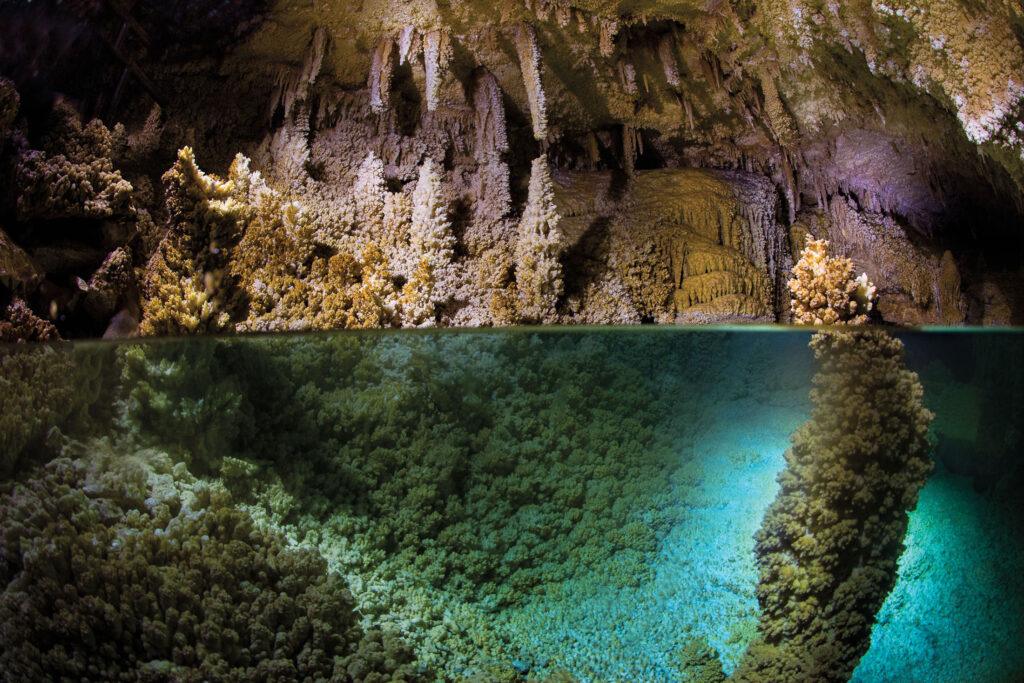
The geology of Texas is intricate and varied, with limestone formations prominent in many regions, especially in the central part of the state. These limestone caves are formed through a process known as chemical weathering, where acidic rainfall erodes the rock over millennia, leading to the formation of stunning stalactites, stalagmites, and other formations. The most famous cave system in Texas, the Frio Cave, is a prime example of this natural phenomenon. This cave complex attracts thousands of visitors each year, who come to witness the breathtaking mineral formations and the intricate play of light and shadow that creates a magical atmosphere.
Texas is also home to unique geological features such as sinkholes, which are common in karst landscapes. These formations occur when the supporting ground above the limestone is eroded, causing a collapse and creating a hole. The Chumash Cave in the Texas Hill Country showcases this aspect beautifully, drawing not just adventurers but also geologists keen to study the processes that formed these intriguing features. The discovery of fossils and ancient artifacts in and around these sites often leads to exciting archaeological findings, adding to the knowledge of Texas’s prehistoric environments.
Not only do these caves provide a glimpse into the Earth’s past, but they also play a crucial role in maintaining local ecosystems. Many subterranean environments serve as habitats for unique species of bats, insects, and other wildlife that depend on the cave ecosystem for survival. Understanding the geology of Texas caves allows scientists to grasp the interconnectedness of these underground habitats with the broader environment above ground.
Popular Caving Destinations in Texas
Natural Bridge Caverns
Located in the Texas Hill Country, the Natural Bridge Caverns is one of the most visited cave systems in Texas. Discovered in 1960, this spectacular cave is renowned for its impressive formations and vast underground chambers. The guided tours take visitors through a mesmerizing journey, showcasing formations such as the massive “Great Room,” which boasts towering columns and shimmering pools. The cavern’s unique environment fosters a delicate ecosystem, making it a haven for bat species and several rare plants.
Natural Bridge Caverns offers a range of attractions beyond just the caverns. The site also features a treetop adventure course and a zip line experience through the natural beauty of the surrounding area. This combination of subterranean exploration and outdoor adventure activities makes it a perfect destination for families looking to combine learning with fun.
For those interested in deeper exploration, the caverns offer an adventure tour that takes participants off the beaten path. This expedition requires some crawling and climbing, allowing seasoned spelunkers to experience the more untouched parts of the cave, presenting a thrilling opportunity to see formations that are usually inaccessible.
Inner Space Cavern
Just a stone’s throw from Austin, Inner Space Cavern is another significant cave worth visiting. Discovered accidentally in 1963 during highway construction, the cavern showcases some of the best-preserved formations in the region. Visitors can opt for a guided tour, which culminates in the stunning “Prehistoric Room,” filled with fascinating rock formations and fossils left behind by ancient inhabitants.
What sets Inner Space Cavern apart is its accessibility and the educational programs offered on-site. The staff provides extensive insight into the geology and ecology of the cave, making it a popular choice for school field trips and a learning destination for curious minds. Additionally, the cavern has a unique feature known as the “Cave of the Winds,” which showcases breathtaking flowstone formations.
This cavern also encourages responsible exploration, offering opportunities for cave photography and other activities that let visitors appreciate the ecosystem without compromising its delicate environment. Inner Space Cavern emphasizes the importance of conservation, ensuring that future generations can enjoy the wonders it has to offer.
LostMaples State Natural Area
Beyond traditional caves, Texas is adorned with numerous underground sites that capture the imagination. The Lost Maples State Natural Area, for example, is not only an excellent destination for hiking and bird watching but also houses fascinating sinkholes and crevices. Adventurers are encouraged to explore the natural formations that dot the landscape while taking in the stunning views created by changing foliage through different seasons.
This area is significant for its unique flora, including the rare Uvalde bigtooth maple, making it a hotspot for nature lovers. While Lost Maples itself does not have extensive cave systems like Natural Bridge or Inner Space, the limestone formations and sinkholes provide an ideal backdrop for those interested in the natural underground world.
Many outdoor activities—such as canoeing, kayaking, and fishing—can be found nearby, encouraging visitors to experience Texas’s diverse ecosystems. Birdwatchers will delight in spotting the migratory birds that frequent the area, making a trip to Lost Maples a holistic experience—a blend of adventure, nature, and education.
The Ecological Importance of Texas Caves
Caves in Texas are not merely geological attractions; they also play a crucial role in local ecosystems. Many caves and underground habitats support unique species adapted to life away from sunlight. These adaptations make cave-dwelling organisms, such as bats, insects, and rare fish, vital components of the ecosystem. Bats, in particular, are essential for pollination and pest control. Their nocturnal habits and ability to consume vast quantities of insects help maintain balance in the environment.
Furthermore, the delicate underground ecosystems provide insight into climate change and its impacts. Scientists use the carbonate formations in caves to study historical climate patterns, helping to understand how the environment has evolved over time. The research conducted in these caves informs conservation efforts and guides policies aimed at preserving these vital resources for future generations.
The Texas Speleological Association and other organizations actively promote awareness of cave conservation, urging visitors to respect these fragile environments. They encourage responsible exploration practices, including leaving no trace, which help protect the flora and fauna that inhabit these underground spaces.
Adventure and Safety in Caving
Caving can be an exhilarating adventure, but it also comes with risks. For those interested in exploring the underground treasures of Texas, proper preparation is essential. Safety guidelines typically include staying with your group, wearing appropriate clothing, and bringing essentials like water, headlamps, and helmets, especially in areas that require climbing or squeezing through tight spaces. Joining guided tours is a smart choice for beginners, as experienced guides offer insights into the cave environment while ensuring the safety of all participants.
It’s also vital to be aware of the potential hazards underground. Many caves can be dark, damp, and confined. Practicing proper spelunking techniques—such as communication with your group and being aware of your surroundings—ensures a safer experience. Many sites provide safety orientations, making it easier for newcomers to adapt to the caving environment.
Moreover, respecting the natural formations and ecosystems is critical in maintaining the integrity of Texas caves. Simple actions like not touching the formations and avoiding littering can help preserve these natural wonders for years to come. Educating oneself about the geography and ecology of caves can enhance the underground exploration experience, fostering a deeper appreciation for these majestic sites.
The Future of Cave Exploration and Conservation
The future of cave exploration in Texas is bright, with ongoing efforts to promote conservation, education, and responsible tourism. As public interest in caving grows, local organizations are working diligently to educate visitors about the environmental significance of these natural wonders. The emergence of new technologies—such as 3D mapping and geological surveys—provides scientists and adventurers with tools to explore new depths and dimensions of caves, further broadening knowledge of these unique environments.
Collaborations between government agencies, environmental groups, and educational institutions play a key role in fostering stewardship for Texas caves. Programs aimed at promoting sustainable tourism trends not only encourage responsible caving practices but also support local economies. Visitors are often eager to experience the thrill of physical activity while learning about and giving back to conservation efforts.
Ultimately, exploring caves in Texas is a harmonious blend of adventure, education, and ecological responsibility. As spelunkers uncover the mysteries hidden beneath the surface, they also contribute to the preservation of these incredible ecosystems, ensuring that future generations can appreciate the unique beauty of Texas’s underground treasures.