









Exploring Houston’s Urban Gardens: A Green Oasis in a Concrete Jungle
Houston is renowned for its sprawling cities, bustling highways, and vibrant culture, yet nestled within this urban landscape is a quieter revolution—urban gardening. Over the past decade, Houston’s urban gardens have emerged as vital resources for food production, environmental sustainability, and community bonding. As cities globally recognize the significance of green spaces, Houston stands out with its diverse array of gardens that not only beautify the environment but also provide essential services that benefit the community at large.
Urban gardens serve as sanctuaries amidst the city’s chaos, creating a connection between residents and nature. They foster local food production, promote biodiversity, and enhance the overall quality of urban life. With the increasing concern over food security, climate change, and the need for mental well-being, Houston’s urban gardens offer innovative solutions and a hopeful glimpse into the future of urban living. This article dives deep into the various facets of Houston’s urban gardens, exploring their benefits, major initiatives, and the community spirit that fuels their growth.
The Rise of Urban Gardening in Houston
The concept of urban gardening is not novel, but its rapid adoption in Houston reflects a significant shift in how residents perceive food sourcing and green spaces. With a mix of historical practices, modern techniques, and community engagement, urban gardening in Houston has seen exponential growth over recent years.
Many factors contribute to this trend. Houston’s demographics play a significant role, with a mix of cultures leading to diverse gardening practices. Community gardens often bring together individuals from various backgrounds, creating a tapestry of knowledge sharing and collaboration. These initiatives are not only about growing food but are also avenues for social interaction and cultural expression.
Another factor driving the rise of urban gardening is the increasing awareness of food deserts—areas with limited access to affordable and nutritious food. Houston, with its varied neighborhoods, showcases disparities in food accessibility. Urban gardens serve as grassroots solutions, enabling residents to cultivate their own food sources, thereby combating hunger and malnutrition. Programs aimed at teaching residents about gardening techniques and providing access to resources are vital to breaking the cycle of food insecurity.
Community Engagement and Involvement
The heart and soul of urban gardens in Houston lie in the passionate community involvement that shapes these spaces. Local organizations and residents work tirelessly to create and maintain these gardens, promoting not just gardening as a hobby but also as a vehicle for social change and community resilience.
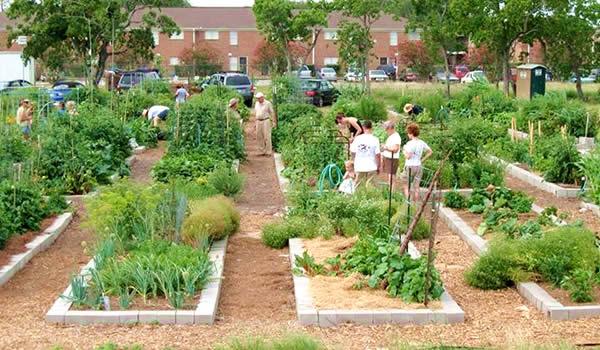
Volunteers play a crucial role in the upkeep of gardens, contributing time and labor to ensure their sustainability. Many gardens host regular volunteer days, drawing in community members of all ages. Such events foster a sense of ownership and pride, transforming strangers into neighbors and fortifying community ties. Educational workshops, cooking classes, and farm-to-table events often accompany these volunteer days, enhancing awareness about sustainable agriculture and nutrition.
Partnerships with local schools have also proven effective in engaging youth in urban gardening. Students participate in hands-on learning experiences, gaining valuable knowledge about horticulture, environmental stewardship, and healthy eating habits. The benefits of these programs extend beyond the classroom; they instill a sense of responsibility and achievement in young participants, equipping them with vital skills for the future.
The Environmental Impact of Urban Gardening
Urban gardens are more than just patches of green in a concrete landscape; they are powerful tools for environmental improvement. The benefits of these gardens extend beyond individual neighborhoods, as they contribute significantly to the city’s overall sustainability goals.
One of the most prominent environmental benefits of urban gardening is its ability to improve air quality. Plants, particularly those in urban settings, act as natural air filters, absorbing pollutants and releasing oxygen. This is especially crucial in cities like Houston, where smog and air quality issues can pose risks to public health. Urban gardens help mitigate these problems, leading to cleaner air for residents.
In addition, urban gardens promote biodiversity. They provide habitats for various species, including pollinators like bees and butterflies, which are essential for food production and ecosystem health. By introducing native plants and fostering diverse flora, these gardens contribute to the maintenance of local biodiversity, combating the challenges posed by urbanization.
Water Conservation and Soil Health
Houston’s unique climate presents challenges related to water usage and soil erosion. Urban gardens implement various sustainable practices that address these concerns. Rainwater harvesting, for example, is gaining popularity among urban gardeners as a way to conserve water. Gardeners learn how to collect rainwater for irrigation purposes, reducing their reliance on city water supplies and lowering their utility bills.
Moreover, urban gardens play a role in enhancing soil health through practices such as composting and utilizing organic fertilizers. By recycling kitchen waste and yard debris, gardeners improve soil quality, thus promoting healthy plant growth. This holistic approach not only aids in food production but also reduces the environmental impact of waste disposal.
Additionally, the practice of planting cover crops and rotating crops is integral to urban gardening strategies. These methods lead to healthier, more resilient soil structures, which in turn support stronger plants. Through regenerative practices, urban gardens can thrive, creating a sustainable cycle of food production that supports both the community and the environment.
Spotlight on Notable Urban Gardens in Houston
Across Houston, numerous urban gardens showcase the variety and creativity inherent in this movement. Each garden tells a unique story, reflecting the city’s diverse cultural fabric and commitment to sustainability. Here, we highlight a few standout gardens that exemplify the spirit of urban gardening.
Community Gardens
One of the most well-known examples is the Incredible Edible Houston, a network of community gardens that emphasizes growing food for all. These gardens are built on the principles of food justice and sustainability, aiming to make fresh produce available to the entire community. Residents actively participate in planting, maintaining, and harvesting crops which are shared or donated to local food pantries.
Plant It Forward Farms operates another inspiring initiative, supporting refugee families through farming. This nonprofit trains refugee farmers to cultivate crops, empowering them with vocational skills while providing fresh, locally grown produce to the Houston community. The organization’s approach addresses food insecurity while simultaneously promoting cultural diversity in cuisine and gardening methods.
Educational Gardens
Additionally, the Houston Arboretum & Nature Center features educational gardens designed to promote environmental stewardship. With a variety of native plants and native habitats, the arboretum serves as a living laboratory for students and visitors alike. The center hosts workshops and classes aimed at educating the public about the importance of native plants, pollinators, and the overall ecosystem.
Another notable garden is the Urban Harvest, which operates numerous community gardens throughout Houston. This nonprofit organization is dedicated to transforming underutilized spaces into vibrant, productive gardens. Through community outreach and education, Urban Harvest emphasizes the importance of local, fresh produce, and promotes healthy eating habits among residents of all ages.
The Future of Urban Gardening in Houston
As the urban gardening movement continues to evolve, the future holds promising potential for Houston. With increasing recognition of the importance of green spaces and sustainability, urban gardens will play an essential role in shaping urban development. City planners and policymakers are beginning to incorporate green spaces into their designs, recognizing the multifaceted benefits they provide.
Technological advancements also present exciting opportunities for urban gardening. Vertical gardening, aquaponics, and hydroponics are gaining traction, allowing residents to maximize crop yields in limited spaces. Innovations in gardening techniques can facilitate greater food production, even in urban settings where traditional gardening methods may be challenging.
Moreover, community involvement will remain at the forefront of this movement. A growing number of residents are stepping up to advocate for better access to urban gardens and sustainable practices, ensuring that these green spaces continue to thrive. Collaborative efforts between local government, organizations, and residents will further strengthen the impact of urban gardening in Houston.
Embracing the Green Revolution
The urban gardening revolution in Houston reflects a powerful trend that aligns with the city’s diverse culture, environmental goals, and community spirit. As residents come together to cultivate green spaces, they foster connections that transcend the barriers of daily life. From improving access to fresh produce to enhancing biodiversity, urban gardens in Houston are reshaping the landscape of urban living.
As the movement grows, it serves as a reminder of the importance of sustainability and self-sufficiency in our modern world. Houston’s urban gardens are not merely plots of land; they represent a shift towards a more equitable and sustainable future. By nurturing these green oases throughout the city, Houston cultivates not only plants but also a stronger, more resilient community, committed to protecting the environment and nourishing its residents.