








A case of measles has been confirmed in Travis County, marking the first occurrence of the virus in the area for 2026. The individual involved is an unvaccinated adult man who was exposed to the virus during international travel.
The patient visited St. David’s Emergency Center in Austin on May 4, from 11 a.m. to 1:30 p.m. Authorities from Austin Public Health (APH) are actively reaching out to individuals who may have been in close proximity to him during this timeframe.
Dr. Desmar Walkes, the Health Authority for Austin-Travis County, emphasized the seriousness of the situation, stating, “Measles has returned to our community, posing a serious threat to anyone who is unvaccinated, especially young children, pregnant women, and those who are immunocompromised. If you haven’t gotten vaccinated already, now is the time. Measles is more than just a rash; it can lead to hospitalization and can even be fatal.”
The most effective way to safeguard against measles is to receive the measles, mumps, and rubella (MMR) vaccine. Full protection requires two doses of this vaccine, which is available at various doctors’ offices and pharmacies. For children under 14, a prescription from a physician is necessary to obtain the vaccine at a pharmacy. Additionally, Austin Public Health provides the MMR vaccine at its Shots for Tots and Big Shots clinics.
Understanding Measles
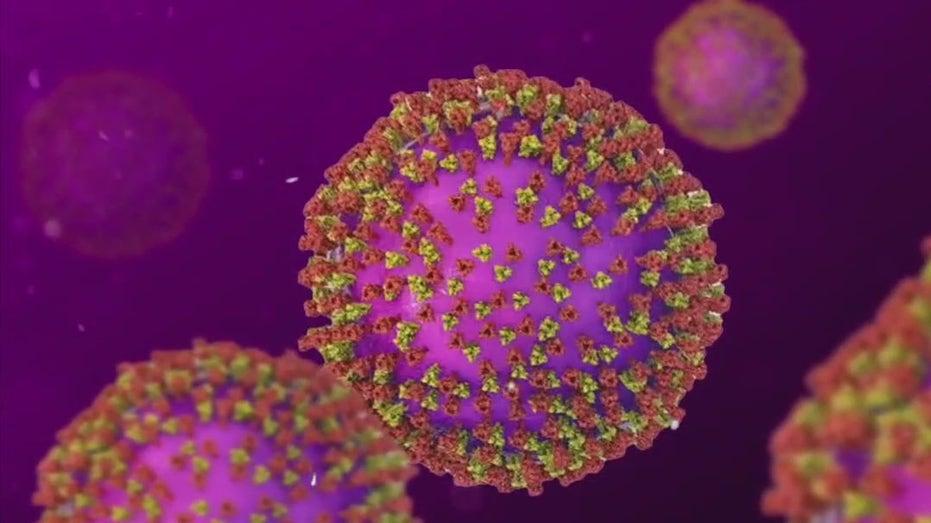
Measles is a highly contagious respiratory infection that spreads through direct contact with infectious droplets or airborne transmission when an infected person coughs, breathes, or sneezes. The virus can remain airborne and infectious for up to two hours after an infected individual has left an area.
Symptoms typically appear one to two weeks post-exposure and begin with a high fever, cough, runny nose, and red, watery eyes. A characteristic rash then emerges, starting as flat, red spots on the face before spreading to the neck, trunk, and the rest of the body. Individuals are contagious from approximately four days prior to the rash’s appearance until four days after.
Common Symptoms of Measles
Individuals with measles may experience the following symptoms:
- High fever (potentially reaching 105°F)
- Cough
- Runny nose
- Red and watery eyes
- Tiny white spots that may appear inside the mouth 2-3 days after the onset of other symptoms
- A rash that develops 3-5 days after initial symptoms, typically starting on the face and spreading to the rest of the body
Prevention and Response
The best strategy to prevent measles is through vaccination with two doses of the MMR vaccine, which has proven to be highly effective. While vaccinated individuals can occasionally contract measles, they usually experience milder symptoms and are less likely to transmit the virus.
If someone suspects they have measles or has been exposed to an infected person, they should isolate themselves from others and consult their healthcare provider before seeking testing to avoid exposing others to the virus. Measles is extremely contagious and can lead to serious health complications for those who are unprotected.
In the event of an outbreak, individuals confirmed or suspected to have measles should remain at home until at least four days after the rash develops. Unimmunized individuals must be kept separate from anyone with measles to maintain safety and control the spread of the disease. The Texas Administrative Code mandates that schools and childcare facilities exclude unimmunized children for a minimum of 21 days following exposure to a confirmed measles case.
This information has been provided by Austin Public Health, with additional details sourced from the Centers for Disease Control.