






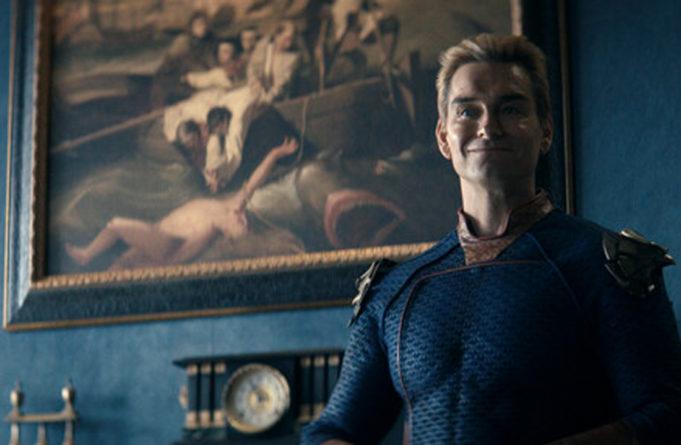
Amazon Prime’s acclaimed series, The Boys, is concluding its run with an explosive final season that promises to be as bloody and chaotic as its predecessors. The spotlight is once again on the malevolent Homelander, portrayed by Antony Starr, as fans eagerly await his potential downfall.
In a surprising twist, the cancellation of the live-action adaptation of Ben Edlund’s superhero parody, The Tick, in 2019 has allowed for the emergence of this sharp and darkly humorous satire. Based on the comic book series by Garth Ennis and Darick Robertson, The Boys has made a lasting impact on the superhero genre, much like how Blazing Saddles redefined Westerns. The show’s fifth and final season has wrapped up, delivering a satisfying conclusion to the saga and to its primary villain, Homelander, one of television’s most detestable characters since J.R. Ewing.
The stakes have never been higher for The Boys, the anti-superhero group determined to take down Homelander and his corrupt corporation, Vought Industries. This season, Homelander has evolved into a powerful political figure, wielding influence that extends into the religious realm, making him an even more formidable foe.
One of the most chilling aspects of the series is its uncanny ability to reflect real-life issues, making viewers feel an unsettling sense of familiarity. Homelander serves as an exaggerated version of a contemporary political figure, reminiscent of Donald Trump, albeit with superhuman abilities. At the beginning of this final season, audiences witness a shift in Homelander’s self-perception; he no longer sees himself as a hero but rather as a deity vying for absolute power.
Meanwhile, the titular Boys find themselves in various states of isolation. At the season’s outset, three members are imprisoned in a Vought-run internment camp, designed to suppress dissent. Butcher, played by Karl Urban, has embraced his darker side, fueled by a chemical that grants him superpowers, offering viewers a deeper glimpse into his character than ever before.
With Vought having infiltrated the political landscape, The Boys are preparing for a climactic showdown. Their strategy to eliminate Homelander and his superpowered allies involves creating a virus capable of killing anyone with abilities, a plan that poses a moral dilemma as it threatens even the benevolent superheroes, particularly Starlight, who has come to symbolize hope within their universe.
The Boys has transcended its original intent as mere satire, morphing into a cautionary tale about the perils of unchecked power in a fragile democracy. The series has grown into an Orwellian narrative with significant implications for society’s future.
Despite its critical acclaim, the show is not above employing juvenile humor. The return of the villain Love Sausage, a Vought soldier with an extraordinarily large and sentient appendage, exemplifies the series’ willingness to embrace absurdity for comedic effect.
As this final season unfolds, the inevitability of high-profile character deaths looms large. Even when predictable, these moments carry emotional weight and contribute meaningfully to the narrative. While fans may anticipate a particular demise, discussing it would risk delving into spoiler territory. The series finale promises a clever resolution that extends beyond the realm of superhero tropes.
Moreover, the main characters grapple with profound emotional connections to their mission and each other, fostering personal growth without veering into melodrama. The show’s dark humor ensures that these developments remain engaging and relatable, distinguishing it from typical comedies.
Ultimately, The Boys has matured into a poignant satire and a stark warning about the dangers of unrestrained authority, making it a significant commentary on contemporary issues. Its themes resonate deeply, leaving viewers to ponder their relevance in the current socio-political climate.