





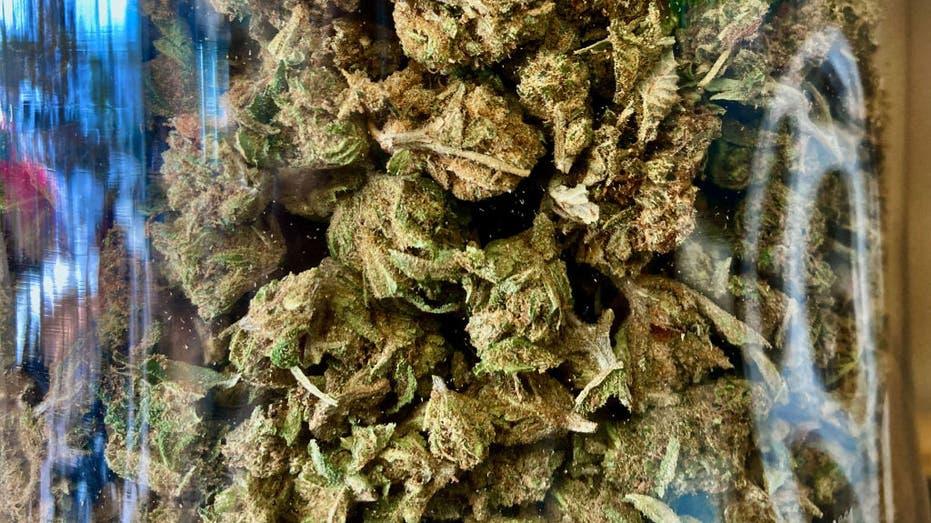
A coalition of hemp businesses, along with a retired police officer, has initiated a federal lawsuit against Texas state and local officials. The aim of the lawsuit is to halt a recent regulatory change that reclassifies delta-8 and other hemp-derived THCs as Schedule I controlled substances.
The lawsuit was filed in the U.S. District Court for the Southern District of Texas, challenging a regulation recently republished by the Texas Department of State Health Services (DSHS). This new rule, which became effective on Friday, places non-delta-9 tetrahydrocannabinols, including delta-8 THC, in the same category as illegal Schedule I drugs.
The plaintiffs include Lifted Liquids, Inc., a manufacturer based in Illinois, The Happy Cactus Apothecary LLC, a retailer from Austin, and Thomas Monti, a retired police officer from Galveston County who is involved in the sale and consumption of hemp products.
In their complaint, the plaintiffs argue that the DSHS’s rule infringes upon both federal and state laws. The Agriculture Improvement Act of 2018 defined hemp as any part of the Cannabis sativa L. plant containing no more than 0.3% delta-9 THC on a dry-weight basis, thereby exempting these products from the federal Controlled Substances Act. This definition was mirrored in Texas legislation through House Bill 1325 in 2019.
The plaintiffs’ legal team contends that the DSHS has overstepped its authority by creating a conflict between state laws and agency regulations. They assert that the rule violates the Due Process Clause of the Fourteenth Amendment, as it does not provide adequate notice to business owners, consumers, and law enforcement regarding what is considered contraband.
Furthermore, the suit claims that the regulation infringes upon the Supremacy Clause and the Commerce Clause of the U.S. Constitution by disrupting national supply chains and violating federal protections concerning interstate transport.
Alongside the complaint, the plaintiffs have requested an emergency temporary restraining order to prevent state health officials, the Texas Attorney General, and local prosecutors from making arrests, seizing property, or taking civil enforcement actions while the legal proceedings unfold.
As of now, the state officials named in the lawsuit have not submitted a formal response in federal court.