






Exploring the Historic Battlefields of Texas
Texas is a state steeped in a rich tapestry of history, from its indigenous roots to its pivotal role in the American Revolution and the Civil War. Many of the historic battlefields scattered throughout the state are reminders of the fierce struggles that have shaped its identity. These battlefields not only tell the tales of conflict but also serve as memorials that commemorate the sacrifices made by those who fought for their beliefs. Visitors today can walk in the footsteps of history, learning about the events that took place on these hallowed grounds.
As Texas is home to significant military engagements, it is essential to explore these battlefields, each contributing to the rich narrative of the state. Understanding the context of these sites helps to foster a deeper appreciation for the sacrifices endured by generations past. From the iconic Alamo to the lesser-known but equally significant battles, Texas offers an array of battlefield sites waiting to be explored by history buffs, students, and tourists alike.
The Alamo: A Symbol of Courage and Sacrifice
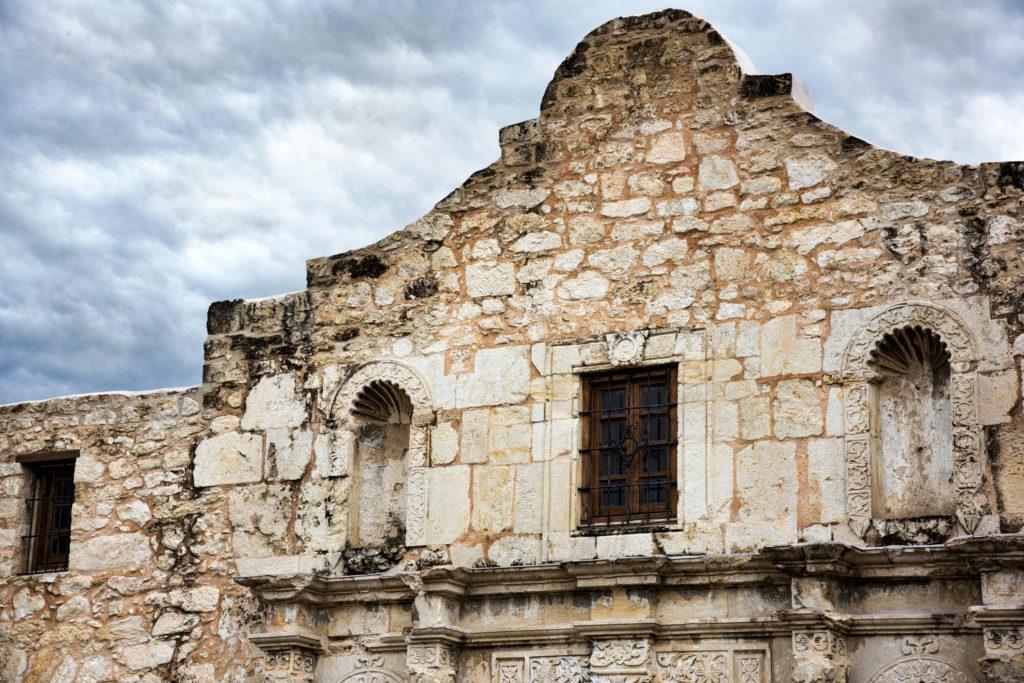
The Alamo, perhaps the most famous battlefield in Texas, is located in San Antonio and symbolizes the relentless spirit of Texan independence. The 1836 battle was a pivotal moment in the Texas Revolution, where a small group of Texan defenders held out against a vastly larger Mexican army led by General Antonio López de Santa Anna. The battle, which lasted from February 23 to March 6, saw the loss of all Texan defenders, including prominent figures such as James Bowie, William B. Travis, and Davy Crockett. Their bravery has made the Alamo a symbol of resistance not only in Texas but also across the nation.
Today, visitors to the Alamo can explore the historic site, which includes a reconstructed mission and a museum that showcases artifacts and documents from the era. The Alamo’s museum features a rich collection of weaponry, personal items from defenders, and multimedia presentations that provide context to the events of 1836. Guided tours offer insights into the legends surrounding the battle, allowing visitors to grasp the scale of sacrifice and determination that took place there.
The annual anniversaries of the battle see reenactments and ceremonies that draw large crowds, illustrating the enduring legacy of the Alamo in Texas history. These events celebrate not only the battle itself but also the spirit of independence that continues to resonate with people today. As a UNESCO World Heritage Site, the Alamo has become a pilgrimage for those who honor its historical significance and the ideals for which it stood.
The Siege of the Alamo: Context and Impact
Understanding the Siege of the Alamo requires a deeper look into the socio-political context of early 19th century Texas. The conflict was rooted in the desire of Texians (Anglo settlers in Texas) for independence from the increasingly centralized Mexican government. Tensions had been rising due to increasing restrictions on immigration, land rights, and local governance. These tensions culminated in the Battle of the Alamo, which served as a rallying point for Texian forces throughout the revolution.
The Siege itself began on February 23, 1836, with approximately 1,800 Mexican troops surrounding the Alamo, where only about 180-200 Texian defenders were present. The defenders, entrenched in their belief that liberty was worth fighting for, held out for 13 days. The eventual fall of the Alamo became a rallying cry for Texians, with the battle cry “Remember the Alamo!” galvanizing forces to rally against the Mexican army in subsequent engagements. This collective memory of sacrifice and resilience has cemented the Alamo’s place in both Texan and American history.
The battle’s outcome highlighted the stark contrast between the forces and their ideologies—Mexican forces fighting to retain control of their territory and Texian forces fighting for autonomy. The emotional weight of the Alamo’s fall continues to shape Texas’s cultural identity, reinforcing ideals of bravery and sacrifice that resonates deeply within the heart of Texas.
San Jacinto: The Battle That Secured Texas Independence
Located near Houston, the San Jacinto Battleground is the site of one of the most decisive battles in Texas history. The Battle of San Jacinto, fought on April 21, 1836, was the climax of the Texas Revolution. It was here that General Sam Houston led a Texian army of roughly 900 soldiers against Santa Anna’s forces, numbering around 1,500. The Texian forces surprised the Mexican army, launching a swift attack that lasted only 18 minutes, resulting in a resounding victory for the Texians.
The aftermath of the battle was pivotal. Santa Anna was captured the following day, and he ultimately signed the Treaties of Velasco, which granted Texas independence from Mexico. Today, visitors to the San Jacinto Battleground can explore the expansive grounds, hike trails, and view historical markers that detail the battle’s unfolding. The site also features the San Jacinto Monument, commemorating Texian soldiers and standing as the tallest monument in Texas at 567 feet.
The monument’s base houses a museum showcasing artifacts from the battle, including weapons, maps, and personal items that belonged to those who fought. Guided tours and reenactments are held regularly, allowing visitors to engage with the history in a dynamic and educational way. The San Jacinto Battleground serves as a powerful reminder of the importance of unity and determination in the face of overwhelming odds.
The Legacy of San Jacinto
The legacy of the Battle of San Jacinto extends beyond the immediate gains of independence. It laid the groundwork for the future of Texas as a state and an integral part of the United States. The victory at San Jacinto boosted the morale of the Texian forces and citizens, inspiring further military and political action. It demonstrated that a well-organized and motivated group, regardless of size, could stand up against and defeat a larger opponent.
San Jacinto’s significance resonates in Texas’s ongoing narrative as a land of freedom and independence. The battlefield is not merely a military site; it symbolizes the collective struggle for liberty that many Americans identify with. With each anniversary, celebrations and reenactments breathe life into the past, emphasizing the state’s pride in its heritage.
The Battle of Gettysburg: Texas Troops in the Civil War
While Texas is well-known for its role in the Texas Revolution, it also played a crucial part in the American Civil War. The Battle of Gettysburg, fought from July 1 to July 3, 1863, is one of the most significant battles in the conflict, and it saw a contingent of Texian troops engage in fierce fighting. Approximately 5,000 Texans fought at Gettysburg, with many serving as part of the Confederate army under General Robert E. Lee.
The battle was a turning point in the Civil War, marking the beginning of the decline of the Confederate cause. The Texas troops were involved in the infamous Pickett’s Charge, which resulted in heavy casualties. Many brave Texans were lost during this charge, showcasing their valor and commitment to the Confederate cause. The sacrifices made by these soldiers resonate deeply with Texan lore and serve as a reminder of the complex history surrounding Texas’s involvement in the Civil War.
Today, the Gettysburg National Military Park preserves the battlefield where this historic engagement took place. Visitors can explore the hallowed grounds, view monuments dedicated to various regiments, and understand the broader narrative that links Texas with other significant battles of the Civil War. Programs run by the park service provide in-depth insights into the experiences of those who fought, ensuring that the story of the Texan soldiers remains alive.
Remembering Texas in Gettysburg: The Texan Legacy
The Texas legacy in Gettysburg is commemorated through numerous monuments and markers throughout the battlefield. The Texas State Memorial honors the men who fought valiantly, preserving their stories for future generations. This focus on commemoration is essential for understanding the multifaceted heritage of Texas and how it fits within the larger American historical narrative.
Educational programs organized by the Gettysburg National Military Park explore the contributions of Texan soldiers and their experiences during the Civil War. These programs illuminate the often-overlooked role of Texas troops in one of the most critical battles fought on American soil, highlighting themes of honor, bravery, and the harsh realities of war.
Preservation and Recognition of Texas Battlefields
The preservation of Texas battlefields is essential not only for honoring the past but also for educating future generations about the struggles that shaped the state. Organizations, historians, and local communities are actively working to ensure that these significant sites are maintained, providing the historical context needed for both educational purposes and tourism.
Many battlefields in Texas are designated as state historic sites, which helps protect them from development. Efforts are also made to create robust educational programs that inform the public about the state’s military history. Reenactments, guided tours, and educational materials allow visitors to engage with history in an immersive manner. Furthermore, ongoing research and archaeological investigations ensure that new information about these battlefields continues to emerge, allowing for a more comprehensive understanding of the events that unfolded.
The Texan landscape, dotted with historic battlefields, serves not merely as places of memory but as reminders of the courage displayed in the face of adversity. These sites illustrate the essence of what it means to be Texan: a spirit of determination, resilience, and unwavering pride. By exploring and preserving these landmarks, Texans and visitors alike can better connect with the pivotal moments that have defined the state.
Supporting Battlefields as Cultural Heritage Sites
The importance of supporting historic battlefields as cultural heritage sites cannot be overstated. These sites contribute significantly to the collective memory of a community and a nation. Efforts to restore and maintain battlefields often rely on grants, donations, and volunteer work from passionate individuals and organizations. By supporting these initiatives, citizens affirm their recognition of the sacrifices made by those who came before them.
Community events, educational presentations, and historic reenactments play a pivotal role in engaging the public, fostering appreciation for heritage while boosting local tourism. Many towns near battlefields host annual events that draw visitors, making history tangible and relevant. Through these celebrations, the stories of Texas’s past are honored and kept alive in the hearts of new generations.
As the state moves forward, acknowledging its history through the preservation and interpretation of its historic battlefields remains crucial. The lessons learned from these landscapes of conflict enable citizens to reflect on the complex narratives interwoven into Texas’s identity, fostering greater understanding and connection among its diverse populations.
Visiting Texas Battlefields: Tips for History Enthusiasts
For those interested in exploring Texas’s historic battlefields, there are several tips to enhance your experience. A visit to these sites can be deeply rewarding, offering not just a glimpse into the past but also an understanding of the historical context surrounding each battle.
- Plan Ahead: Check the operating hours, guided tour schedules, and any special events that may be taking place. Some sites may also offer seasonal activities such as reenactments.
- Engage with Guides: Take advantage of the knowledge offered by park rangers and historians who often lead educational sessions and guided tours.
- Educate Yourself: Reading books, articles, and watching documentaries on the specific battles can provide deeper insights and make your visit more meaningful.
- Respect the Site: Remember that these areas are hallowed ground. Be respectful of the historical significance, and follow all guidelines during your visit.
- Take Notes and Photos: Document your visit. Whether through photos or personal notes, capturing your experience can further enhance your connection to the historical narrative.
Exploring historic battlefields allows visitors to walk in the footsteps of those who faced adversity with courage. Texas’s battlefields serve not only as reminders of the past but as symbols of resilience, identity, and the ongoing journey toward understanding freedom and community. As you delve into the layers of history found across these significant sites, you become a part of the narrative that continues to shape the Lone Star State.