









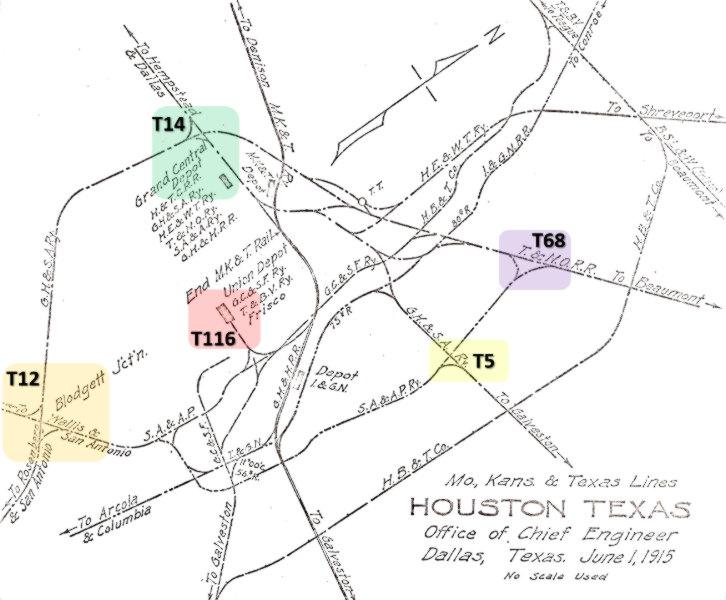
Historic Houston Train Stations and Routes
The sprawling urban landscape of Houston, Texas, is renowned for its vibrant economy and cultural diversity, but beneath its modern veneer lies a rich tapestry of transportation history particularly notable in the realm of railroads. Historic train stations and routes have played a pivotal role in shaping the city’s development, connecting its residents with the broader landscape of the state and beyond. From the early days of rail travel in the 19th century to the ambitious plans for future rail services, Houston’s train stations tell a compelling story of innovation, resilience, and the ever-changing face of transportation.
Once a bustling hub where countless travelers embarked on journeys across the United States, the train stations of Houston reflect a bygone era of elegance and craftsmanship. Despite the popularity of automobiles and air travel, the importance of these railroads has not diminished entirely. Houston continues to invest in revitalizing its transportation infrastructure, embracing a blend of history and modernity that honors its past while paving the way for a sustainable future.
The Golden Age of Train Travel in Houston
The golden age of train travel, particularly from the late 1800s to the mid-1900s, positioned Houston as a central node in the vast railway network of the United States. Railroads had a transformative impact on cities, often dictating their growth patterns and economic viability. Houston was no exception. Spurred by the discovery of oil in nearby Spindletop in 1901 and subsequent booms in agriculture and industry, the railways expanded rapidly to connect rural communities to urban centers.
During this period, several railroad companies established significant operations in Houston, including the Southern Pacific Railroad, the Gulf, Colorado and Santa Fe Railway, and the Texas & Pacific Railway. Each brought with it a unique charm and character to the design of its stations. For instance, the Southern Pacific Depot, constructed in 1911, exemplified the ornate architecture of the time, characterized by its terra cotta details and large waiting rooms that embodied the elegance of early 20th-century travel.
Despite the decline of passenger rail service post-World War II, largely due to the rise of automobiles and commercial airlines, these historic stations still resonate with the public. They symbolize an era when traveling was both an adventure and a statement of status. The craftsmanship of these buildings served not only as functional spaces but as landmarks that fostered community identity. Preservation efforts are ongoing, reflecting a renewed interest in harnessing this heritage to educate future generations about the importance of rail travel and sustainable urban transport.
The Legacy of Houston’s Historic Stations
Among the most notable historic train stations in Houston, the original Union Station, built in 1911, remains a prominent symbol of the city’s transportation history. Despite serving primarily freight traffic in recent decades, its architecture and historical significance have earned it recognition on local and national historic registers. The station’s grand columns and expansive terminal hall once welcomed thousands of passengers daily, making it a hub of economic activity.
Moreover, the Amtrak Station on Washington Avenue represents a rebirth of passenger rail services. Originally the Southern Pacific Depot, this facility now serves as the gateway for intercity travel, connecting Houston with cities across Texas and the wider United States. Amtrak’s presence in Houston signifies a commitment to reviving rail travel, and the station serves as a reminder of the enduring legacy of these transport networks that once dominated the landscape.
As interest in sustainable transportation practices grows, historic train stations like those in Houston are being reassessed not only for their architectural worth but also for their functional potential. Efforts to modernize these facilities, integrating them into multimodal transit systems, are essential for the city’s future transportation plans. Transit-oriented development around these stations can promote walkability, reduce dependency on personal vehicles, and reconnect communities with their historical roots.
Rapid Transit and Light Rail: A New Era in Houston
While Houston’s past is steeped in the robust narratives of steam engines and passenger trains, the present-day landscape is rapidly changing with the introduction of light rail and rapid transit systems. The METRORail system, initiated in 2004, marked a significant departure from the decades of car-dependent urban planning that characterized the city throughout the late 20th century. Today, the METRORail offers three lines—Red, Green, and Purple—serving an extensive area and integrating seamlessly with the existing transportation framework.
The Red Line, the most developed of the three, stretches from the Northline Transit Center to the Fannin South Transit Center, traversing important districts including the Houston Medical Center and downtown. This line not only caters to daily commuters but also serves tourists eager to explore the city’s cultural center, which includes theaters, museums, and major sporting venues. The accessibility offered by light rail has contributed significantly to reducing traffic congestion, a critical challenge for Houston’s ever-expanding population.
In addition to the METRORail, expanded bus services operate alongside these light rail lines, further enhancing connectivity across the urban landscape. With a recent commitment to investing in public transportation infrastructure, Houston is positioning itself to lead by example in addressing the global challenges of climate change and urban sustainability. City officials and planners are advocating for expanded services and additional lines to reach underrepresented communities, ensuring that efficient public transit is accessible to all residents.
Future Prospects and Urban Development
As Houston looks to the future, the harmonization of historic values and modern needs continues to shape its transportation narrative. Current plans for urban development highlight the importance of creating pedestrian-friendly environments, positioning rail transit as a central feature in these designs. Such initiatives not only honor the historical significance of the area’s train stations but also contribute to addressing contemporary challenges, such as traffic congestion and environmental sustainability.
Considering the historical significance of railroads in Houston’s development, city leaders are emphasizing the potential for rail systems to become a cornerstone of urban resilience. The reimagining of historic stations into multi-functional hubs that include retail, dining, and community spaces represents an exciting opportunity to revitalize neighborhoods while preserving a sense of place. Projects aimed at restoring original architectural features and blending them with modern amenities are a vital part of fostering this connection to Houston’s past.
Moreover, the proposed expansions of the METRORail into underserved areas underscore the importance of equity in transportation planning. By reaching low-income neighborhoods and providing access to essential services, education, and employment opportunities, rail systems can transform lives and strengthen community ties. Initiatives that promote public engagement and stakeholder input are critical to developing comprehensive transit solutions that reflect the city’s diverse population.
A Journey Through Time
Traveling through Houston’s historic train stations and routes offers a remarkable journey through time, offering glimpses into the past while navigating the possibilities of the future. As the city continues to grow and evolve, the integration of its rich railroad heritage into modern transit systems showcases a commitment to sustainability, accessibility, and community development. Visitors should take the time to explore the remnants of grand depots and the vibrant life surrounding active lines, as these structures are more than mere buildings; they are narratives woven into the fabric of the city.
For history buffs and transit enthusiasts alike, Houston’s historic train stations present a unique opportunity to appreciate the city’s evolution and its indelible connection to rail travel. The stories encapsulated within the walls of these stations speak of ambition, progress, and a shared journey toward a more sustainable urban future.
As Houston marches forward, the echoes of its railway past will continue to resonate throughout the city, reminding us of the vital role that public transportation plays in shaping the landscapes of our lives. The blend of historic significance and innovative design ensures that Houston’s train stations will remain not only functional transit points but also cherished landmarks that tell the story of a city in motion.