









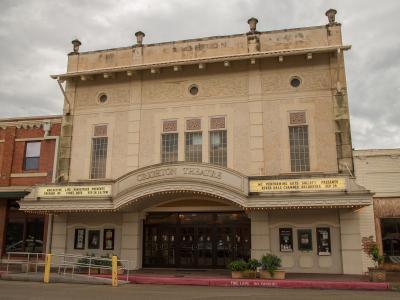
Historic Theaters in Texas Cities
The landscapes of Texas are rich not only in natural beauty but also in a storied cultural heritage, particularly when it comes to the performing arts. Amidst bustling cities and small towns alike, vibrant theaters stand as monuments to the artistic endeavors of previous generations. These historic theaters not only serve as venues for performances but also carry the weight of history on their stage; each one has unique narratives that tell the story of its community.
From grandiose architectural designs to intimate settings, Texas’s historic theaters provide a fascinating window into the artistic trends and societal shifts through the decades. Many have been lovingly preserved or restored, standing as symbols of community pride and resilience. This article delves into some of the most iconic historic theaters in Texas, exploring their historical significance, architectural features, and the cultural impact they continue to have today.
The Majestic Theatre, San Antonio
One of the crown jewels of San Antonio, the Majestic Theatre opened its doors in 1929 and was originally designed as a movie palace showcasing silent films. Designed by the renowned architect John Eberson, the theater is celebrated for its opulent atmosphere, often likened to a Moroccan courtyards with starry skies painted across the ceiling. The Majestic is one of the few remaining atmospheric theaters, a style that emerged in the 1920s that aimed to transport audience members into different realms through creative design.
With a seating capacity of over 2,000, the Majestic Theatre has hosted a range of performances, from Broadway productions to concerts by famous musicians. Notably, the theater was the site of Elvis Presley’s last concert in San Antonio, embedding it deeply in Texan rock history. Apart from its entertainment offerings, the Majestic is recognized for its architectural significance. The intricate plasterwork, beautifully designed chandeliers, and attention to detail in the restoration process have earned the theater a place on the National Register of Historic Places.
As the home of the San Antonio Symphony and the offering venue for the Tobin Center for the Performing Arts, the Majestic continues to be a significant player in the local arts scene. Community programming often includes educational initiatives, helping younger generations appreciate the arts. Through its numerous events, the Majestic not only entertains but also enriches the cultural fabric of San Antonio.
Preservation Efforts
Preservation efforts have been crucial in maintaining the Majestic’s historical value. Several organizations, including the San Antonio Conservation Society, advocate for the upkeep of this architectural treasure. Fundraising events help in gathering resources necessary for restoration projects, ensuring the theater remains a vital part of the community.
Understanding the feasibility of incorporating modern enhancements without disrupting its historical integrity has been a priority. These efforts have ensured that while the theater evolves, it remains a beacon of the past, inviting audiences to enjoy its rich legacy. The dedication shown in preserving the Majestic Theatre exemplifies the broader cultural commitment in Texas to honor and maintain historic venues.
Texas Theatre, Dallas
Located in the heart of Dallas, the Texas Theatre is perhaps best known for its role in the capture of Lee Harvey Oswald. Opened in 1921, this classic neighborhood theater has been instrumental in shaping the cinematic experience in the region. Initially serving as a movie house, its auditorium is adorned with paintings and designs that reflect the Spanish Revival style, which was popular during its inception.
What sets Texas Theatre apart from other venues is its robust history tied to significant national events, including its association with the assassination of President John F. Kennedy. The building’s architecture alone is captivating; with its large screen, ornate ceilings, and retro decor, it serves as a time capsule of the early 20th-century cinematic experience. The theater has undergone significant restoration efforts to showcase its original grandeur while also adapting to modern entertainment needs.
Today, the Texas Theatre is not just a venue for films; it has transformed into a community hub that promotes local art and culture. It offers a variety of programming, including indie films, live music, and even art shows. The theater fosters a unique connection between residents and the arts, ensuring that it plays a crucial role in the ever-evolving landscape of Dallas culture.
Revitalization Initiatives
The revitalization initiatives surrounding the Texas Theatre are noteworthy for their focus on community engagement. Local groups have actively worked to incorporate input from residents in programming decisions, leading to a more diverse array of performances and film showings that cater to various demographics. These initiatives not only help in rebuilding the audience base but also ensure that the theater remains relevant in contemporary society.
The theater’s commitment to being a space for local artists allows it to foster new talent and provide a platform for unique artistic expressions. It has become a breeding ground for creativity within the Dallas arts scene. The Texas Theatre’s evolution from a silent film house to a multifaceted cultural center reflects broader changes in the way communities engage with the arts, illustrating that even historic venues can adapt to modern demands.
Alamo Drafthouse, Austin
While not as ancient as some of its counterparts, the Alamo Drafthouse in Austin claims a unique spot in the Texas theatrical panorama due to its innovative blend of dining and cinematic experience. Founded in 1997, this establishment has rapidly gained popularity and is now frequently regarded as a model for modern theaters across the nation. The Alamo Drafthouse showcases a revolutionary approach that pairs film screenings with a full menu of food and beverages, ensuring a multidimensional experience for audiences.
The theater has earned accolades thanks to its commitment to preserving the communal aspect of film viewing, successfully creating an atmosphere where patrons can enjoy the art of cinema while indulging in gourmet meals. Housed in a number of locations across Texas, its flagship venue in Austin has become a cultural landmark, hosting unique events like themed movie nights and film festivals, further emphasizing its role within the community.
The Alamo Drafthouse is also devoted to screening classic films and cult favorites, providing a vehicle for audiences to rediscover beloved films in a social context. This focus on nostalgia is paired with a strict no-talking policy, which has attracted cinephiles eager to enjoy the cinematic experience uninterrupted.
Impact on Local Culture
The Alamo Drafthouse’s approach has significantly impacted the local culture in Austin, creating a sense of camaraderie among residents sharing a passion for film. Through interactive events, special screenings, and appearances by filmmakers, the theater has established itself as a key player in Austin’s vibrant cultural scene, often referred to as the “Live Music Capital of the World.”
The successful business model of the Alamo Drafthouse has inspired countless imitators, highlighting the demand for enriching entertainment experiences. Its influence can be seen in the growing trend of combining dining with entertainment, as more venues strive to replicate the community-focused experience offered by this innovative theater.
The Queen Theatre, Galveston
The Queen Theatre, situated in Galveston, has a rich and colorful history dating back to its opening in 1911. Originally built as a vaudeville house, the theater has undergone numerous transformations throughout its lifetime, showcasing everything from silent films to live performances. Its unique charm lies in its exquisite architecture that blends elements of both early twentieth-century design and the Caribbean aesthetic reflective of Galveston’s coastal character.
Though the Queen Theatre fell into a state of disrepair in the late 20th century, dedicated local efforts have resurrected it, highlighting the community’s determination to preserve its legacy. Following a meticulous restoration, the theater now stands as a beacon of hope and creativity, continuing to serve as a venue for live performances, including local theater productions, concerts, and community events.
Displaying a commitment to showcasing local talent, the Queen Theatre has fostered a renewed interest in the performing arts among Galveston’s residents. Its schedule often includes collaborations with local universities and arts organizations, ensuring that both established and emerging artists have a platform for expression.
Community Engagement and Support
Community engagement plays a pivotal role in the survival and success of the Queen Theatre. Fundraising events, including galas and local art exhibitions, help raise necessary funds for ongoing maintenance and programming. The local community’s enthusiasm has cemented the theater as a cultural centerpiece in Galveston, allowing it to flourish, especially as tourism continues to rebound post-pandemic.
The Queen Theatre’s resilience symbolizes a broader trend in Texas, where communities unite around their historic venues, ensuring they endure. The love for the arts in this coastal city showcases the importance of cultural preservation and the vital role theaters play in strengthening communal bonds.
Bringing History Alive
As Texas continues to grow, these historic theaters remind us of the necessity of honoring our past while looking toward the future. They encapsulate unique narratives that reflect the many facets of Texan culture. Each theater’s journey exemplifies the trials and triumphs of its community, making them more than mere venues; they are living chronicles of the shared experiences of generations.
Both in terms of architecture and cultural relevance, these historic theaters offer crucial insights into Texas’s artistic heritage, showcasing how spaces for performance can shape social interaction. As communities rally around their treasured theaters, they ensure these venues serve not only as entertainment hubs but as focal points for cultural enrichment, education, and community-building. Whether through live performances, film screenings, or festivals, Texas’s historic theaters are vital threads woven into the fabric of their communities, continuing to inspire new generations of artists and audiences alike.
These theaters represent the enriching legacy of Texas culture, underscoring the importance of preserving our historical landmarks while embracing innovation in the arts. As they evolve, they remain steadfast reminders of where we’ve been, guiding the way to a more vibrant cultural future for generations to come.