








Houston’s Lush Oasis: A Dive into Gardens and Botanical Spaces
Houston, renowned for its bustling urban life and diverse culture, is often seen as a concrete jungle filled with skyscrapers and industrial landscapes. However, the city also harbors a vibrant tapestry of gardens and botanical spaces, showcasing not just the beauty of flora but also the commitment to green living and sustainability. These serene retreats offer an escape from the hustle and bustle of daily life, allowing visitors to immerse themselves in nature right in the heart of Texas. From carefully curated botanical gardens to charming community spaces, Houston’s gardens are a reflection of the city’s deep-rooted appreciation for nature and horticulture.
The gardens of Houston are not just places of beauty; they serve as vital spaces for education and conservation. The city’s rich climate, characterized by warm summers and mild winters, allows for a diverse array of plants and flowers to thrive. Consequently, these gardens contribute significantly to local biodiversity, providing habitats for various species while also promoting environmental awareness among the community. This article delves into some of the most significant gardens and botanical spaces in Houston, exploring their features, programs, and the roles they play in enhancing the city’s green landscape.
The Houston Botanic Garden: A Jewel of Diversity
Opened to the public in 2020, the Houston Botanic Garden is a transformative addition to the city’s green spaces. Located on a former golf course near the Gulf Freeway, the garden spans over 132 acres, making it one of the most extensive botanical gardens in the region. Its vision is centered around showcasing plants from around the world while emphasizing the beauty and fragility of tropical and subtropical plant life.
A feature that sets the Houston Botanic Garden apart is its commitment to education and conservation. The garden offers various educational programs tailored to different age groups, focusing on sustainable gardening practices, plant care, and the importance of biodiversity. The programs aim to inspire the next generation of environmental stewards by providing hands-on experiences that teach children and adults alike how to appreciate and care for the natural world.
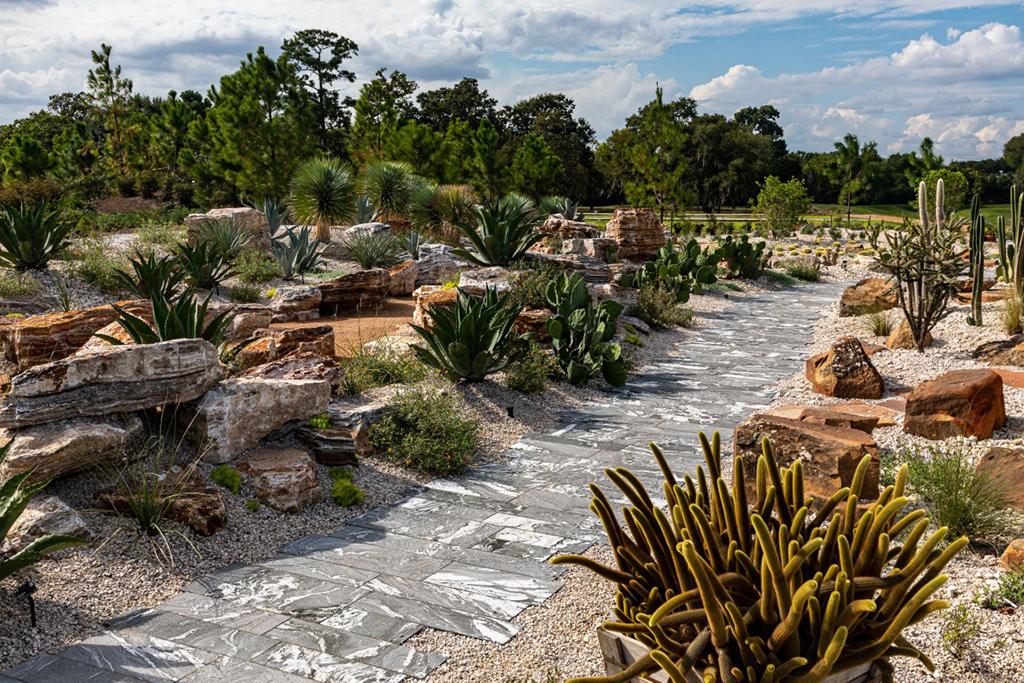
The garden is divided into several themed areas, each designed to highlight different ecological systems and plant types. The Tropical Rainforest area immerses visitors in a lush environment filled with exotic plants and cascading waterfalls, while the Desert Garden features a range of succulents and cacti, demonstrating how life can thrive in harsh conditions. Special attention is also given to local flora, with a section dedicated to native Texas plants, emphasizing the importance of preserving these species and ecosystems.
Key Attractions in the Houston Botanic Garden
- Garden Trails: Over 1.5 miles of picturesque walking trails wind through various plant displays, designed to provide an educational journey.
- Rainwater Harvesting: The garden showcases sustainable water management techniques, making it a model for eco-friendly practices.
- Butterfly Habitat: Home to numerous native butterflies, this area encourages pollinator-friendly gardening and raises awareness of pollinator conservation.
- Event Spaces: The garden offers beautiful venues for weddings, corporate events, and community gatherings, all surrounded by stunning landscapes.
Memorial Park’s Arbor Garden: A Natural Retreat
Just a stone’s throw from downtown Houston, Memorial Park presents a unique blend of urban park and natural haven. Among its many features, the Arbor Garden stands out as an exquisite collection of trees and flowering plants that attract both city-dwellers and nature enthusiasts. Encompassing 1,466 acres, Memorial Park is a treasured space for those looking to enjoy recreational activities while being enveloped in nature.
The Arbor Garden was specifically designed to highlight the beauty of native tree species and ornamental plants. It offers paths that allow visitors to meander through the natural landscapes, showcasing the seasonal changes of the plants. Throughout the year, the garden blossoms with vibrant colors, providing an ever-changing tableau that encourages frequent visits. In addition to its aesthetic appeal, the Arbor Garden provides important ecological benefits, including improved air quality and wildlife habitats.
Special events, such as the annual Memorial Park Conservancy’s Arbor Day Festival, engage the community in tree planting and environmental education initiatives. This festival not only celebrates trees but emphasizes their value in combating climate change and fostering cleaner urban spaces. Local schools and organizations often participate, making it a community-centric affair that promotes environmental stewardship among Houston’s youth.
Features of the Arbor Garden
- Seasonal Plantings: Visitors can enjoy a continually changing display of flowers and plants, featuring seasonal highlights throughout the year.
- Walking Trails: Meandering paths throughout the Arbor Garden provide a peaceful setting for walking, jogging, or simply reflecting amidst nature.
- Wildlife Observation: Birdwatching and wildlife photography opportunities abound as the garden is home to various species of birds and other wildlife.
- Educational Programs: Workshops and guided tours are available to educate the public about local flora and the importance of conservation.
The Hermann Park: A Historic Green Space
Another highlight in Houston’s botanical landscape is Hermann Park, one of the oldest and most visited parks in the city. Spanning over 445 acres, this historic park boasts an impressive collection of gardens, lakes, and recreational areas. The park was established in the late 1800s and has undergone significant transformations over the decades, continually integrating modern designs while maintaining its historical charm.
The Japanese Garden, a standout feature within Hermann Park, reflects a serene space designed in traditional Japanese aesthetics. It offers a harmonious blend of greenery, koi ponds, and stone lanterns, creating a peaceful retreat that encourages mindfulness and relaxation. The garden is meticulously maintained, showcasing seasonal blooms such as cherry blossoms, azaleas, and irises, making it a popular destination for photography and leisurely strolls.
An equally fascinating aspect of Hermann Park is its dedication to promoting outdoor activities. The park provides numerous facilities, including bike rentals, paddle boats on the lake, and walking paths that connect to other attractions such as the Houston Zoo and the Museum District. Hermann Park’s multifaceted nature makes it not just a botanical area but a vital community hub for recreation and education.
Highlights of Hermann Park
- McGovern Centennial Gardens: A stunning 15-acre garden that features themed gardens, a rose garden, and a lovely conservatory.
- Educational Opportunities: The park hosts events focusing on environmental education, promoting community knowledge about native plants and ecosystems.
- Annual Festivals: Events such as the Houston Dragon Boat Festival and the Hermann Park Conservancy’s Concert Series bring the community together to celebrate culture and nature.
- Accessibility: Efforts have been made to improve park access through paved trails and inclusive facilities, ensuring everyone can enjoy the park’s beauty.
Community Gardens: Grassroots Greening
Beyond public botanical gardens, Houston’s community gardens play a crucial role in fostering environmental consciousness and social interactions among residents. These gardens are typically managed by local residents and organizations, creating safe spaces where individuals can cultivate their plots, grow their produce, and learn about sustainable agriculture. They empower communities to take control of their green spaces while contributing to food security and nutrition education.
One of the most notable community gardens in Houston is the Third Ward Community Garden. This garden not only serves as a source of fresh produce but also as a site for educational workshops on gardening, cooking, and healthy eating. By providing access to gardening resources, the garden encourages residents to grow their own food and fosters a sense of community belonging.
Moreover, community gardens often incorporate valuable techniques such as composting, rainwater harvesting, and organic farming. These practices emphasize sustainability and environmental consciousness, demonstrating how individuals can play a role in combating climate change at a local level. By actively participating in community gardening, residents foster social connections while promoting a greener lifestyle.
Benefits of Community Gardens
- Food Security: Community gardens provide fresh produce to neighborhoods, reducing reliance on grocery stores and improving access to healthy food options.
- Education and Empowerment: Workshops and seminars teach practical skills in gardening, nutrition, and sustainability, empowering residents to make better choices.
- Social Cohesion: These gardens create opportunities for residents to form connections, celebrate local culture, and collaborate on community projects.
- Environmental Awareness: By practicing sustainable gardening techniques, community gardens raise awareness about ecological issues and encourage proactive steps towards conservation.
Final Thoughts: Houston’s Green Future
The gardens and botanical spaces in Houston serve not only as places of beauty and respite but also as critical components of the city’s environmental health and community well-being. These verdant outposts highlight the importance of conserving nature and educating residents about their ecosystems. Through initiatives in sustainability, community engagement, and education, Houston’s gardens foster a deeper understanding of and respect for the natural world.
As the city continues to grow and evolve, these botanical spaces remain essential in shaping a sustainable urban landscape, encouraging residents to connect with nature while enhancing their quality of life. Whether one is wandering through the lush pathways of the Houston Botanic Garden, enjoying the serenity of the Japanese Garden at Hermann Park, or cultivating crops in a community garden, Houston’s green spaces offer a sanctuary that nourishes both the body and mind.