









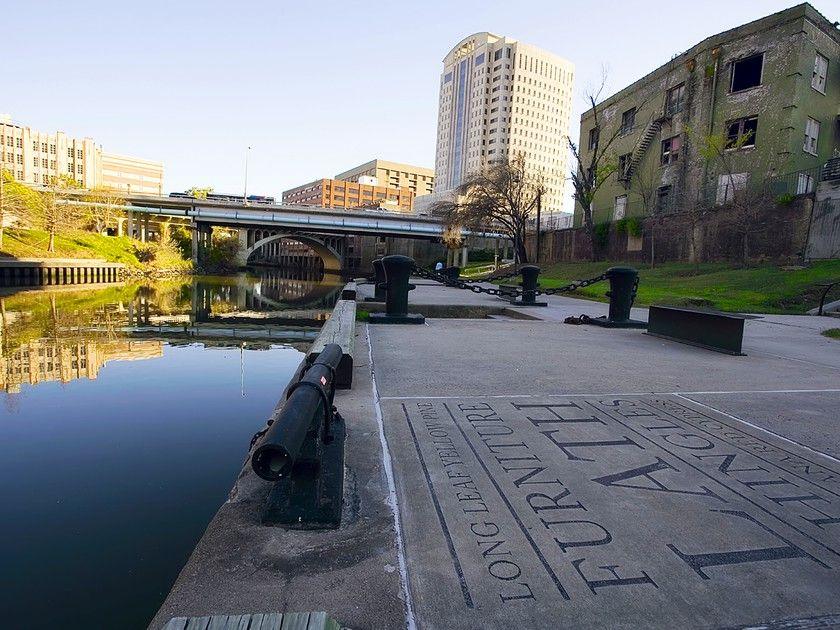
Exploring Houston’s Architectural Treasures: A Journey through Historic Districts
Houston, known for its modern skyline and vibrant cultural scene, is also a city rich in architectural history. For enthusiasts and casual visitors alike, the city offers a diverse range of historic districts that showcase an assortment of architectural styles, from quaint bungalows to grand historic mansions. The neighborhoods not only reflect the city’s evolving architectural tastes but also tell the story of its history and the people who shaped it.
As one wanders through these historic districts, each corner reveals an array of structures that range from Victorian to Mid-Century Modern. Preservation efforts ensure that these pieces of Houston’s past remain part of the urban landscape. This article delves into some of the most notable historic districts in Houston, each offering a unique perspective on the city’s rich architectural heritage, making them a must-visit for architecture lovers.
The Heights: A Blend of History and Charm
The Heights, named for its elevated position northwest of downtown, is one of Houston’s most enchanting neighborhoods, reflecting the city’s Victorian architectural legacy. Founded in the 1890s as a primarily residential community, it became famous for its eclectic mix of architectural styles. The Heights boasts a vast array of homes built in the Queen Anne, Folk Victorian, and Arts and Crafts styles, representing a period when Houston began to flourish.
Walking through this district, visitors will encounter historic landmarks such as the Heights Theater, a classic Movie Palace built in 1929, and the Fisher House, a stunning example of Victorian architecture that has been restored to preserve its original charm. The streets are lined with majestic oak trees that provide a serene backdrop to the beautifully maintained homes. The characteristic porches and detailed craftsmanship invite passersby to slow down and appreciate the artistry behind each design.
Moreover, the Heights features many *pocket parks* and public art installations, reinforcing the community’s commitment to preserving its history while fostering an engaging modern lifestyle. Its vibrant arts scene complements the historic atmosphere, with local galleries, boutiques, and cafes populating the area. An annual event, the Heights Historic Home and Garden Tour, further showcases the district’s unique architectural beauty, drawing visitors from around the region.
Preservation and Community Engagement
Community engagement has played an essential role in preserving the distinctive architectural styles of The Heights. Local advocates work tirelessly to protect the integrity of the neighborhood, and ongoing restoration projects are a testament to their commitment. Many homes within the district are designated as *Historic Landmarks*, reflecting their historical and architectural significance.
Furthermore, residents take pride in educating the public about the importance of preserving the historic fabric of their community. The Eastside Montrose Historic District, located adjacent to The Heights, is famous for its vintage homes and also exemplifies similar preservation efforts. Visitors to both districts can appreciate the intricate details that define their architectural aesthetics while gaining insight into the residents’ dedication to preserving their heritage.
Midtown: A Modern Take on Historic Living
Situated just south of downtown Houston, Midtown is a neighborhood that represents the perfect fusion of modern living with historical significance. Once home to thriving businesses and residential spaces in the early 20th century, Midtown has undergone significant revitalization over recent decades, emphasizing the importance of maintaining its architectural history while accommodating the needs of contemporary urban life.
The area’s architectural landscape features a mix of *bungalows and commercial buildings* dating back to the early 1900s, as well as modern developments that reflect today’s architectural trends. Walking through Midtown, you’ll notice beautifully restored homes alongside cutting-edge apartment complexes. This eclectic mix is a hallmark of urban redevelopment, showcasing how historic preservation can coexist with modern design.
Landmarks such as the iconic *Grand Prize Building* and the *Tower Theatre* harken back to Midtown’s bustling past. The area is also known for its vibrant *street art*, which adds a contemporary touch to the historic backdrop. The juxtaposition of colorful murals and the city’s historic structures creates a visual experience that highlights both heritage and creativity.
A Hub for Creativity and Culture
Midtown’s reputation as a cultural and creative hub enhances its appeal for residents and visitors. The neighborhood hosts various art spaces and theaters, including the *Midtown Arts and Theater Center Houston (MATCH)*, which serves as a focal point for the local arts scene. Events such as *Midtown Art in the Park* encourage public engagement with local artists and foster community relationships.
Additionally, the area’s diverse dining scene showcases Houston’s culinary legacy. Restaurants located within historic buildings offer unique dining experiences where visitors can enjoy fine cuisine amid architectural beauty. This blend of history and modernity draws a diverse crowd and makes Midtown a vibrant district worth exploring for architecture enthusiasts and food lovers alike.
Galveston: Coastal Heritage and Victorian Splendor
Just a short drive from Houston, the coastal city of Galveston features a historic district that tells the story of Texas’s maritime heritage and architectural evolution. Renowned for its collection of Victorian-era homes, Galveston is one of the few places in Texas where visitors can experience such an extensive range of historic architecture in one location. The Strand Historic District and East End Historic District serve as major highlights.
The Strand Historic District is home to a collection of beautiful commercial buildings, many of which date back to the late 19th century. The area is characterized by its cast-iron architecture, which reflects the affluent lifestyles of the cotton merchants and sea captains who once thrived here. Walking along The Strand, one can admire the ornate facades, unique storefronts, and the intricate detailing that make these buildings remarkable.
In contrast, the East End Historic District is a residential area filled with stunning Victorian mansions, such as the *Bishop’s Palace* and the *Moody Mansion*. These grand structures showcase intricate woodwork, large verandas, and colorful exteriors. The melding of architectural styles, including Italianate and Second Empire, provides a rich tapestry for architecture lovers eager to explore the heights of Galveston’s history.
The Importance of Preservation Efforts
Protecting Galveston’s architectural legacy is a priority for many residents and organizations. The Galveston Historical Foundation plays a pivotal role in the preservation of structures, promoting awareness of the significance of these historic buildings. Preservation efforts include regular tours, events, and educational programs, ensuring that both locals and visitors can appreciate the importance of maintaining such a unique architectural identity.
Events such as the Galveston Historic Homes Tour provide opportunities for the public to visit these Victorian gems and learn about their history. Such initiatives not only foster an appreciation for architecture but also educate participants on the unique ecological and cultural history of the coastal city.
River Oaks: Affluence and Architectural Diversity
Known as Houston’s premier affluent neighborhood, River Oaks is an architectural haven defined by its stunning homes and lush landscapes. Developed in the 1920s, this district offers an impressive collection of residential architecture, including decadent mansions, Modernist structures, and unique designs that reflect the diverse influences of its early residents.
The architectural landscape of River Oaks is unlike any other in Houston. Home to many wealthy families, the neighborhood is known for commissioned masterpieces from renowned architects such as *John F. Staub* and *S. I. Morris*. Some homes feature *Classic Revival* details, while others echo *Mediterranean* or *Georgian* styles, creating an eclectic mix that narrates the story of American architectural trends throughout the decades.
One of the standout structures in River Oaks is the *River Oaks Theater*, a classic Art Deco movie palace that opened in 1939. This architectural landmark serves as both a cultural hub and a reminder of the importance of maintaining historic structures amidst development. The theater hosts various film festivals and events, encouraging residents to engage with their cultural environment.
A Legacy of Philanthropy and Community
River Oaks is also well-known for its philanthropic spirit, which has fostered a sense of community among its residents. The River Oaks Garden Club hosts annual events that promote garden design and education, further enhancing the area’s reputation while contributing to the preservation of its architectural and natural beauty.
Annual events, including the *River Oaks Tour of Homes*, attract visitors eager to explore the architectural diversity of this landmark neighborhood. The combined focus on art, culture, and community engagement makes River Oaks an inspiring destination for architecture lovers and anyone wishing to celebrate Houston’s rich architectural heritage.
Conclusion: Embracing Houston’s Architectural Heritage
For architecture enthusiasts, Houston’s historic districts offer an exhilarating journey through the diverse tapestry of the city’s architectural styles. From the Victorian charm of The Heights to the coastal elegance of Galveston and the affluence of River Oaks, each district contributes a unique chapter to the tale of Houston’s evolution. The preservation efforts across these neighborhoods speak volumes about the community’s commitment to maintaining the past while embracing the future.
As Houston continues to grow and change, these historic districts stand as a testament to the city’s dynamic architectural identity. Exploring these neighborhoods provides not only an appreciation for their beauty but also a deeper understanding of the cultural heritage that continues to shape Houston’s landscape. For anyone captivated by architecture, a visit to these districts is not just recommended; it’s essential.