






Houston’s Parks and Green Spaces: A Vital Resource for Residents
The expansive city of Houston, Texas, often celebrated for its robust economy and cultural diversity, also boasts a rich portfolio of parks and green spaces that serve as essential havens for its residents. With more than 380 parks covering over 22,000 acres, these natural retreats play a crucial role in promoting wellness, social interaction, and environmental sustainability. As urban living continues to grow, so too does the importance of accessible green areas for relaxation, recreation, and community bonding.
Within these vibrant parks, Houstonians can enjoy recreational activities such as jogging, biking, picnicking, and even fishing. These spaces do more than just provide physical activities; they also create opportunities for social gatherings and events that help build a sense of community. Moreover, the green infrastructure in Houston significantly contributes to environmental health by improving air quality, providing wildlife habitats, and aiding in flood management.
A Diverse Array of Parks
Major Parks Highlight
Among Houston’s impressive park system, several parks stand out for their size, amenities, and unique offerings. Hermann Park, located just south of downtown, is one of the most popular gathering places. Spanning over 445 acres, it houses attractions such as the Houston Zoo, a beautiful Japanese Garden, and a scenic 18-hole golf course. Hermann Park also offers numerous walking paths and picnic areas, making it a perfect spot for families and individuals seeking solace in nature.
Buffalo Bayou Park, stretching 160 acres along the banks of Buffalo Bayou, is another gem. This park features walking and biking trails that wind through lush landscapes and historic sites. Visitors can enjoy paddle boarding, kayaking, and even cycling along the scenic routes that give them a unique view of the Houston skyline. With public art installations scattered throughout the park, Buffalo Bayou provides an enriching cultural experience.
Brazos Bend State Park is perfect for those who wish to venture outside the city limits. Located about 30 miles southwest of Houston, this park is renowned for its diverse wildlife, including alligators and a variety of bird species. The park is also home to the George Observatory, which invites visitors to gaze at the stars, a surprising element for a city often consumed by its bright lights. Whether you’re interested in hiking, fishing, or stargazing, Brazos Bend offers a range of outdoor adventures.
Community and Neighborhood Parks
In addition to the major parks, Houston is rich in community and neighborhood parks that cater to local residents. Neighborhood parks, often smaller in size, provide vital green spaces for urban populations. Many neighborhoods boast parks complete with playgrounds, sports facilities, and picnic areas. These local parks become extensions of the community, providing venues for events such as farmers’ markets, outdoor concerts, and seasonal festivals.
Parks like Lee LeClear Park, located in the Kingwood area, offer walking paths, sports fields, and a well-maintained playground ideal for family outings. Through such community-driven initiatives, these parks foster neighborhood spirit and connectedness among residents. Moreover, they bridge cultural gaps by serving as spaces where diversity can thrive through shared experiences.
Furthermore, Houston has made significant investments in upgrading its smaller parks. Initiatives led by the Houston Parks and Recreation Department aim to revitalize neglected areas by improving facilities and enhancing park aesthetics. These efforts not only uplift local spirits but also contribute to improving property values in surrounding communities.
Environmental Significance of Green Spaces
Improving Urban Biodiversity
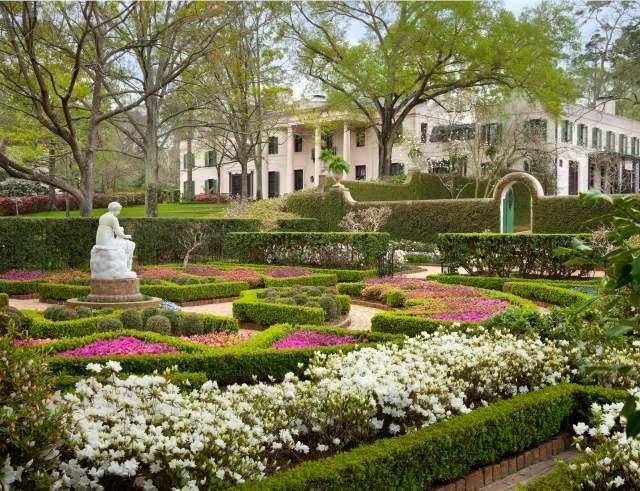
The environmental benefits of Houston’s parks are immense. Urban parks serve as critical habitats for local wildlife, promoting biodiversity even in a sprawling metropolis. Many parks incorporate native plants that attract pollinators, such as bees and butterflies, which are vital for maintaining ecological balance. By providing these habitats, parks contribute to the overall health of Houston’s ecosystem.
Additionally, the groves of trees found throughout these green spaces play an essential role in mitigating urban heat islands—a common phenomenon in cities where concrete and asphalt dominate. Tree canopies provide much-needed shade, which improves air quality and promotes better living conditions, particularly during Houston’s hot summer months.
Research shows that incorporating more green spaces into urban planning strategies can help combat climate change. By absorbing carbon dioxide and releasing oxygen, parks not only help counteract pollution but also promote healthier neighborhoods. As such, Houston’s commitment to expanding and maintaining its parks contributes to its resilience against environmental challenges.
Flood Management and Resilience
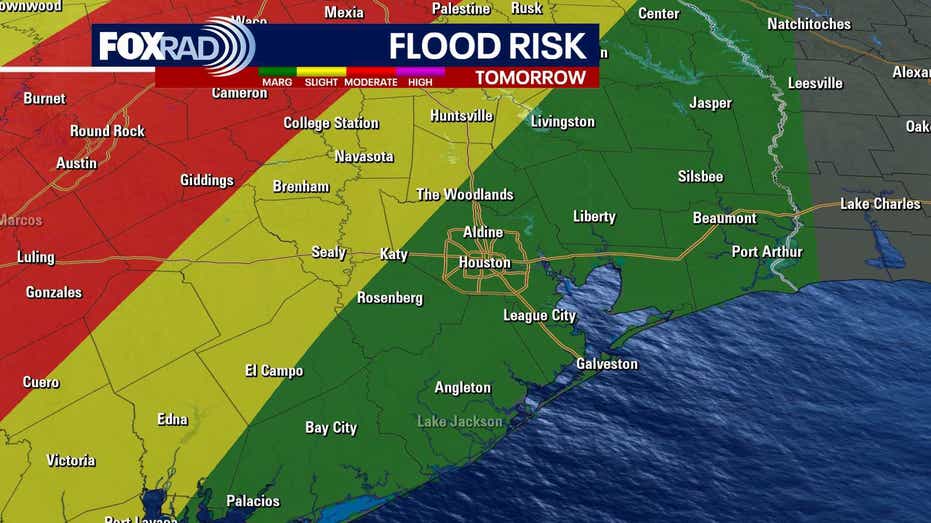
The management of flooding is another significant aspect of Houston’s green spaces. The city is known for its vulnerability to flooding due to its flat topography and rapid development. Parks and green spaces are increasingly recognized as effective tools for dealing with stormwater management. By absorbing rainfall and reducing runoff, parks help to alleviate flooding concerns in surrounding areas.
Engineers and urban planners have begun incorporating “green infrastructure” solutions into park designs, which includes features like rain gardens, bioswales, and permeable pavement. These practices help mitigate water flow and provide natural areas for water absorption, which can significantly reduce the likelihood of flooding during heavy storms.
Such initiatives highlight the need for a proactive approach to urban design. Moving forward, it will be crucial for Houston to continue investing in its parks and understand the integral role these spaces play in environmental sustainability. This way, residents can not only enjoy recreational opportunities but also trust their parks to protect against the unpredictable Texas weather.
Community Events and Educational Programs
Awareness Through Engagement
Houston parks not only serve as recreational spaces but are also platforms for community engagement and education. Various events held across parks aim to involve residents in conservation efforts, health activities, and cultural celebrations that enhance community bonds. For instance, events such as National Night Out or community yoga classes in the park promote health, wellness, and neighborhood vigilance.
Additionally, educational programs are often offered through parks, including guided nature walks, workshops on gardening, and volunteer opportunities for maintaining park trails. These initiatives serve a dual purpose: they empower residents to take part in local environmental stewardship while also fostering a greater appreciation for nature.
Moreover, partnerships between local nonprofits and the Houston Parks and Recreation Department have led to innovative programming. Organizations like the Houston Parks Board conduct regular outreach and education efforts that focus on the importance of maintaining sustainable practices and protecting local ecosystems. This creative blend of service and education is essential for building a community that values and prioritizes green spaces.
Inclusive Spaces for Everyone
Efforts to ensure that Houston’s parks are inclusive to all residents have been a focal point in recent years. Recognizing that parks must cater to diverse populations, local government initiatives have emphasized accessibility for individuals of all ages and abilities. Updated ADA-compliant facilities, tactile paths for the visually impaired, and adaptive sports programs are examples of adaptations being made to make parks welcoming for everyone.
As sport and fitness activities grow in importance, adaptive programming for individuals with disabilities has expanded. With initiatives introducing accessible equipment and friendly sports leagues, parks are enabling greater participation and inclusivity. This not only benefits individuals with disabilities but also enriches the community by promoting social cohesion.
Moreover, cultural events such as food festivals, art showcases, and music performances in parks introduce residents to diverse traditions and lifestyles, celebrating the rich tapestry that makes up Houston. These events play a pivotal role in uniting various cultural groups through shared experiences in outdoor settings, exemplifying the power of green spaces in nurturing community ties.
The Future of Green Spaces in Houston
Continuous Development and Trends
As urbanization rates in Houston continue to rise, the development of parks and green spaces is more crucial than ever. There is a growing recognition of the dynamic role these areas play in enhancing urban livability. City planners and officials are pushing for ambitious goals, including increasing the overall park space by utilizing innovative design techniques and maximizing existing green areas.
Trends such as “linear parks,” which transform underutilized spaces like abandoned railways into connected green corridors, are gaining traction. This initiative not only promotes mobility through walking and biking but also enhances ecosystems by providing wildlife pathways. The successful implementation of these ideas can lead to a more connected and environmentally friendly city.
In line with this future vision, the expansion of community gardens also offers promising opportunities for Houstonians. Community gardens not only encourage local agriculture but also promote healthy eating habits while facilitating open spaces for social interaction. Through gardening, residents have the chance to connect with nature, cultivate new skills, and share knowledge, marking a social shift toward a community-oriented, sustainable future.
Fostering Partnerships and Funding
To continue enhancing Houston’s parks, fostering partnerships among government agencies, nonprofits, and private organizations will be vital. Collaborative efforts ensure funding sources remain available and allow for unique programs tailored to community needs. Initiatives encouraging donations, corporate sponsorship, and volunteerism help sustain and expand park resources against budgetary constraints.
Moreover, community engagement is critical. Residents must be involved in the planning and implementation of park projects to align spaces with the interests and needs of the public. Surveys, focus groups, and public meetings can empower individuals to express their opinions and advocate for innovations that could shape their desired park experiences.
In a world increasingly centered around urban living, the importance of parks and green spaces in Houston cannot be overstated. As community advocates, city planners, and residents work hand in hand, Houston has the potential to become a model for how urban centers can thrive alongside nature, creating a healthier, happier, and more inclusive environment for all.