








As the general election approaches, both major political parties have turned their attention to South Texas, a crucial area for President Donald Trump’s 2024 campaign gains among Latino voters. This week, the leading candidates from each party visited the region, each delivering markedly different messages to the electorate.
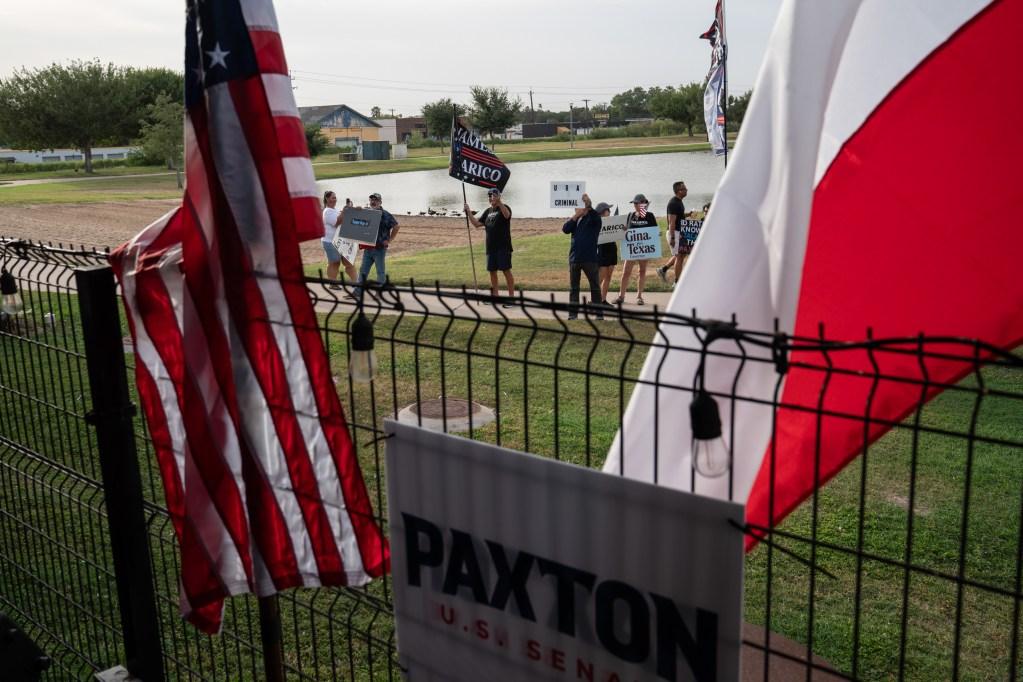
Republican nominee for U.S. Senate, Attorney General Ken Paxton, held a “Rally in the Valley” at a brewery in McAllen on Tuesday night, joined by key GOP figures Webb County Judge Tano Tijerina and Army veteran Eric Flores. In contrast, Democratic nominee James Talarico concluded the third day of his “Frontera Tour” 140 miles away in Laredo, where he connected with his family’s heritage before heading to the Rio Grande Valley.
The contrasting visits highlighted the significance of South Texas as a battleground in this election cycle, particularly after Trump secured 14 out of 18 border counties in the 2020 election, including the historically Democratic Valley. This year’s campaign will see both candidates vying for the support of predominantly Latino voters in the area.
Talarico, a state representative from Austin, presented what he termed a “commonsense” approach to border security that emphasizes hiring personnel while also addressing affordability issues, which he focused on during his campaign. Paxton, on the other hand, criticized Talarico’s legislative record on border and tax issues at his McAllen rally, asserting that he has consistently challenged President Joe Biden’s “open border” policies, which he claims have jeopardized border communities. Paxton positioned himself as a proponent of economic opportunity, promising to lower taxes in contrast to Talarico’s alleged plans to increase them.
The political landscape has shifted since the fall of 2024, when rampant illegal border crossings under the Biden administration were a pressing concern for voters, who largely viewed the administration’s response as inadequate. Back then, immigration and border security were top priorities, but with border crossings now significantly reduced, South Texans are more focused on economic issues such as affordability and inflation, particularly among Latino voters who have shown growing discontent with the GOP. This week’s campaign events provided an early insight into how both candidates intend to adapt their messaging to address the evolving concerns of voters heading into the November midterms.
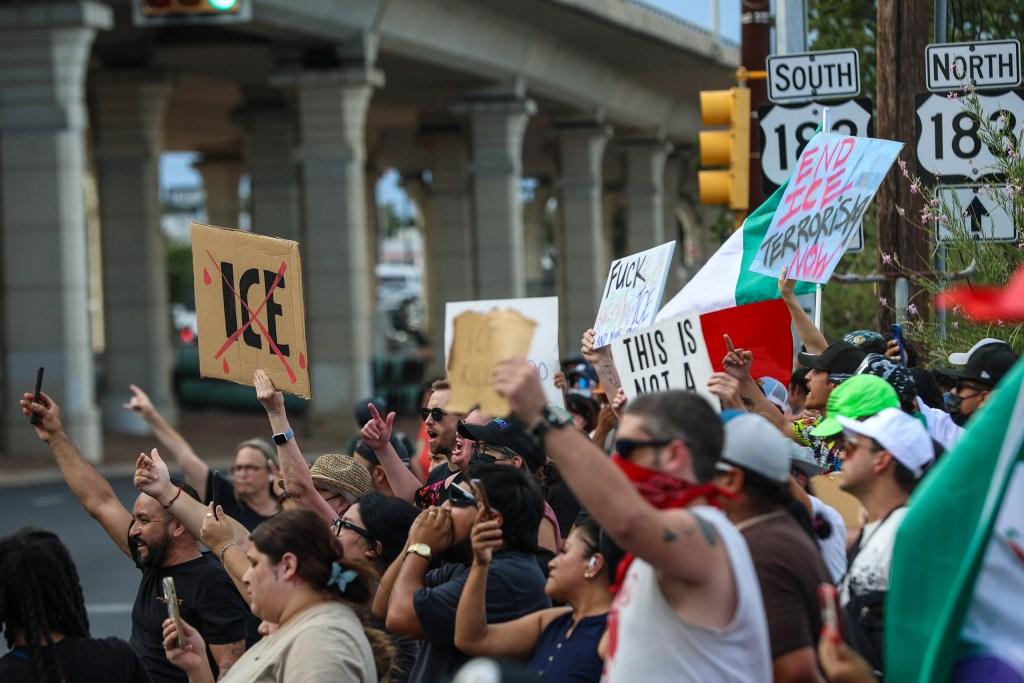
In response to the Trump administration’s aggressive deportation policies, which have resulted in recent fatalities involving federal agents, Talarico sought to portray himself as a moderate who supports securing the border while also advocating for humane treatment of immigrants and listening to the needs of border residents.
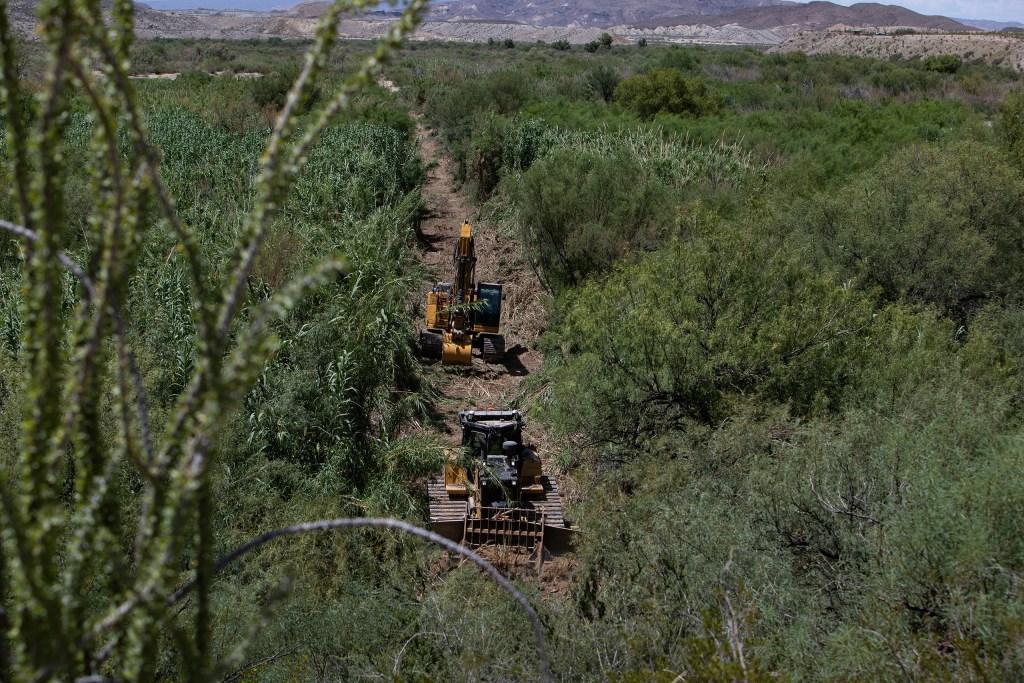
Earlier in the week, Talarico criticized the proposed border wall that would cut through Big Bend National Park, dubbing it a “monument to corruption.” He called for an increase in Border Patrol agents and immigration judges, while emphasizing that previous failures by his own party must not be repeated.
“Texas Democrats should have been more vocal in pushing back against the Biden administration during the chaos at the border,” Talarico stated after a rally in Eagle Pass. “It felt like too many Democrats were silent, and we can’t afford to make those mistakes again.”
Paxton concluded his McAllen rally with a direct appeal to Hispanic voters, emphasizing the importance of the U.S. Senate race in determining party control of the upper chamber.
“As Texans, especially in this region where more Hispanics are leaning Republican, we have the chance to uphold Texas values and create opportunities for ourselves and future generations,” Paxton declared during his rally at University Draft House. “The responsibility lies with you.”
Attendees at both candidates’ events included numerous Latino voters frustrated by rising prices at the gas pump and grocery store, which have remained persistently high. Some expressed their discontent over what they perceive as unnecessary military spending abroad, such as the ongoing conflict in Iran.
“I felt heard today,” remarked Rogelio D. Espinoza, a first-time voter who shared his financial struggles with Talarico. Despite the numerous “Help Wanted” signs in Eagle Pass, he faced challenges finding employment. His job, which required overnight hours, did not adequately cover his living expenses, forcing him to make tough choices between car and rent payments.
Both candidates reiterated their criticisms of one another, intensifying their messaging since the May 26 runoff when Paxton secured the GOP nomination. Paxton used his speech to target Talarico’s previous positions on border security, asserting the necessity of a secure border.
“We need to protect our country and prioritize America first,” Paxton stated.
He then shifted to more socially conservative topics, highlighting past comments by Talarico that he claimed demonstrate the Democrat’s unsuitability for office in deeply Republican Texas. Paxton asserted that once voters comprehend Talarico’s stance on issues like gender identity, they will withdraw their support.
“Once this community realizes his views on these matters, they won’t back him,” Paxton predicted.
These sentiments resonated with some at Paxton’s rally, particularly as he maintained a strong stance on border security.
“Talarico scares me, he really does,” said Martha Martin, a 63-year-old former Democrat from Laredo. “I want to protect children.”
In his visits to Sanderson, Del Rio, and Eagle Pass, Talarico expressed a commitment to listening to the concerns of border residents. He encountered individuals grappling with rent, healthcare, and a sense of neglect in their struggles.
During a town hall Q&A in Eagle Pass, 80-year-old Vietnam War veteran Javier Mancha inquired about Talarico’s plans to address the conflict in Iran and lower everyday costs. Talarico responded by recalling the significant expenses associated with the Iraq War and emphasized the need for federal budgetary restraint, advocating for the suspension of federal gas and diesel taxes—especially the latter, which he noted is crucial for commerce.
Mancha agreed with Talarico’s perspective, stating, “Talarico is down to Earth, like us. He came to see us.”
In his rally, Paxton also tapped into the economic discourse, vowing to advocate for economic freedom, which drew enthusiastic applause from attendees.
Both candidates are vying for the support of voters who recently expressed dissatisfaction with the Biden administration, hoping to leverage this sentiment for GOP gains in South Texas.
Flores is challenging Democratic Rep. Vicente Gonzalez in the 34th Congressional District, while Tijerina is facing off against Rep. Henry Cuellar in the 28th Congressional District. Both districts, which are majority-Latino, were held by moderate Democrats last election, even as Trump won the areas. Following legislative redistricting, these districts are now perceived to be more favorable to Republicans, as they would have supported Trump by a margin of 10 percentage points in 2024, though they remain highly competitive.
Throughout the primary and runoff, some Republicans expressed concerns that Paxton’s candidacy could jeopardize down-ballot races. Allies of Senator John Cornyn circulated a memo in early May outlining seats they believed Paxton could endanger, including the 34th District.
Tijerina, a former Democrat who switched to the GOP in December 2024, attempted to downplay these fears.
“South Texas is not shifting. The central question is, what have the Democrats done for the Hispanic population?” Tijerina stated following his rally with Paxton. “The answer is absolutely nothing in recent years.”