








Nearly two decades have passed since Hurricane Ike struck the Texas Gulf Coast, yet memories of the devastation remain vivid for many residents. The late summer of 2008 saw the storm wreak havoc, leaving behind piles of debris, overturned boats, and flooded highways. Goat Island, a small patch of land just east of Galveston, also faced severe flooding, impacting an oil and gas facility located on its shores. When the hurricane hit, pipes connected to the St. Mary Land and Exploration Company’s storage tanks ruptured, resulting in the release of thousands of gallons of crude oil into the Gulf.
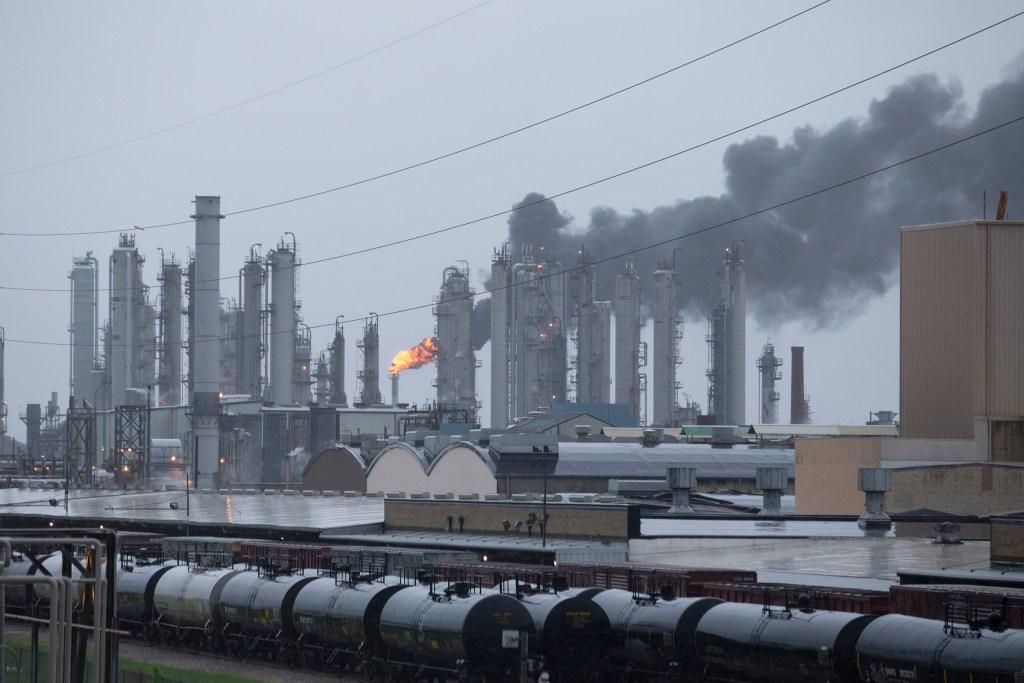
In total, Hurricane Ike was responsible for nearly 450 reported releases of oil, gasoline, and other hazardous substances into the environment. While these incidents did not result in catastrophic consequences, the potential for future disasters looms large as the population in Galveston County has increased by over 80,000 since that fateful year. Today, the county is home to 22 refineries and chemical plants, with an additional five petrochemical facilities either proposed or under construction, raising concerns about the safety of industrial operations during extreme weather events.
An investigation has revealed significant inconsistencies in how petrochemical facilities prepare for natural disasters, such as hurricanes and floods. Facility owners hold the responsibility of defining what constitutes an extreme weather risk and are allowed to develop their own hazard-response plans, limiting the level of communication with local emergency responders. This lack of transparency makes it challenging for the public to access critical information, and federal agencies often lack the resources to ensure these emergency plans are adequately followed up on.
The U.S. Environmental Protection Agency’s Risk Management Program (RMP) is intended to safeguard communities and the environment from chemical disasters; however, it has fallen short of its objectives, according to experts. Texas has the highest number of RMP facilities in the nation, with over 1,550 sites, and the greater Houston area, which includes Galveston County, has a significant portion of its population living within close proximity to these facilities.
Shiv Srivastava, policy director for the environmental justice nonprofit Fenceline Watch, expressed concern that the RMP is failing to fulfill its purpose. He noted that the program should not only mitigate risks but also ensure public awareness of these dangers. As climate change intensifies the severity of weather events, experts are increasingly questioning the preparedness of the Texas petrochemical industry.
In response to these concerns, the Biden administration updated the RMP rule in 2024 to require facilities to evaluate natural hazards and their impacts due to climate change, while also enhancing public access to relevant information. However, the Trump administration has proposed rescinding these improvements, claiming they impose unnecessary burdens on facility owners.
Amidst these ongoing debates, some residents are taking proactive steps. Houston meteorologist Matt Lanza, for instance, has decided to relocate to Connecticut, partly due to fears over the increasing intensity of storms. Experts agree that climate change is likely to lead to more powerful hurricanes, raising the stakes for communities along the Gulf Coast.
As hurricane season approaches, the atmosphere grows increasingly tense along the Texas Gulf Coast. Residents like Faith Allred, who have lived through storms like Hurricane Harvey, are acutely aware of the potential for disaster. She recalls the aftermath of Harvey, when her father ventured out to assist stranded neighbors in flooded areas, underscoring the human impact of such events.
In Texas City, where Allred resides, several petrochemical plants pose significant risks. Both Marathon’s Galveston Bay Refinery and Valero’s Texas City Refinery use hydrogen fluoride, a hazardous chemical that could have dire consequences if released. Historical data reveals that there have been multiple accidents involving hydrogen fluoride at these facilities, emphasizing the ongoing safety concerns in the area.
Despite the existence of the RMP, critics argue that it is riddled with loopholes. Facilities are required to analyze their chemical processes and prepare for worst-case scenarios, but many do not adequately plan for extreme weather risks. A notable example is the Arkema chemical plant incident during Hurricane Harvey, which highlighted the lack of preparedness for flooding despite recognizing it as a risk.
Public Health Watch’s review of RMP records found that several facilities in Galveston County did not identify hurricanes or flooding as serious risks in their emergency response plans. This raises troubling questions about the adequacy of safety measures in place to protect local communities.
While some facilities have responded to inquiries about their emergency plans, many remain vague or incomplete. The thoroughness of these reports varies significantly based on who prepares them, leading to inconsistencies in safety assessments. The limited capacity of federal agencies to conduct inspections further complicates the situation, as only a small fraction of RMP facilities nationwide are reviewed each year.
Experts warn that tanks housing hazardous materials are particularly vulnerable during storms. Recent incidents have demonstrated the dangers associated with chemical storage during extreme weather, as tanks can dislodge, leak, or combust. Solutions exist, such as maintaining tanks at full capacity to prevent them from floating away, but such measures may not be prioritized by facility operators.
Access to RMP reports and emergency preparedness information remains restricted, complicating efforts for community groups to hold facilities accountable. The process for accessing this data is cumbersome, often requiring appointments and manual note-taking, which hinders transparency and public engagement.
Although the Biden administration attempted to enhance access to emergency information for residents living near RMP facilities, the proposed rollbacks by the Trump administration threaten to revert progress made in community safety. As the Gulf Coast braces for the upcoming hurricane season, the urgency for improved preparedness and transparency in the petrochemical industry has never been clearer.