









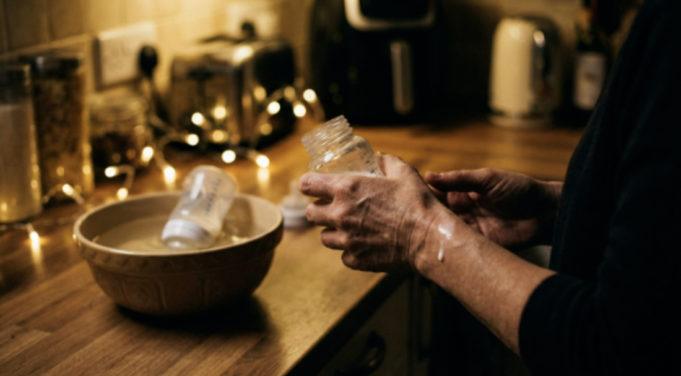
When it comes to warming baby bottles, especially during those late-night feedings, safety and comfort are paramount. This guide provides essential tips for effectively warming breast milk and formula without resorting to microwaves or risking overheating. Following these practices can streamline your 2:00 AM routine and keep your little one content.
Are you struggling to soothe a crying baby at 2:00 AM while trying to determine the ideal temperature for their bottle? Experts agree that uneven heating and delaying the disposal of used milk pose significant risks. This guide will equip you with a practical routine that accommodates both breast milk and formula, addressing any conflicting advice you may encounter online.
Understanding the Basics of Safety
For many families, warming baby bottles is optional since most infants can drink milk at room temperature if they are accustomed to it. The primary focus of warming is to enhance comfort and cater to feeding preferences rather than fulfilling a medical necessity. The objective is clear: simplify feeding without introducing additional risks.
Microwave warming is the one method consistently deemed unsafe. Microwaves can generate hot spots—areas of liquid that are significantly hotter than the rest—potentially resulting in burns to a baby’s mouth and throat, even when the bottle feels safe to the touch.
Defining “Safe Warming”
The ideal temperature for warming bottles is around body temperature, approximately 98–100°F at feeding time. This range is warm enough to provide comfort while still being gentle for sensitive mouths.
Overheating breast milk can diminish its quality, with 104°F serving as a critical upper limit according to common guidelines. If unsure, it is safer to err on the cooler side rather than risk serving milk that is too hot.
To ensure safety, swirl the bottle and test a few drops on the inside of your wrist; it should feel warm, not hot. This technique is essential because the exterior of the bottle may feel cooler than the liquid inside, and swirling helps to evenly distribute the temperature while remixing any separated milk fats.
Effective Warming Methods: Advantages and Disadvantages
At home, two low-tech methods for warming include warm-water baths and warm running water, while bottle warmers offer a more consistent approach when you seek to minimize guesswork during frequent feedings.
The warm-water bath method is effective when using comfortably warm water, ensuring the water level stays below the bottle neck and avoiding prolonged exposure. A practical time limit is about 15 minutes; beyond this, both safety and quality may be compromised. This method works best when you can keep an eye on the clock in the kitchen.
Warm running water is often the quickest non-device option. Allow the bottle to sit under warm water for a few minutes, rotating it to ensure even heating, and then perform the wrist test before feeding. This method is particularly useful for quickly warming a refrigerated bottle to a comfortable temperature.
Bottle warmers can provide consistency, but effectiveness relies on correct setup, bottle compatibility, and timing. It’s crucial to perform compatibility checks with different bottle shapes and maintain the warmer to prevent mineral buildup that can impair performance. If your warmer tends to run hot, opt for shorter cycles and recheck the temperature instead of attempting to achieve the desired warmth in one go.
Warming Breast Milk and Formula: Different Guidelines
When it comes to stored breast milk, thawing and warming should be approached with gentle heat, avoiding microwaves, and adhering to a first-in, first-out (FIFO) principle for frozen supplies to ensure older milk is used first. A practical habit is to freeze smaller portions, such as 2–4 fl oz, to reduce waste as your baby’s appetite fluctuates.
For formula preparation, ensuring safe water and clean utensils is just as crucial as the warming process. If there are concerns about local water safety, boiling cold tap water for one minute and allowing it to cool before mixing is a conservative approach advised by pediatric experts. Once feeding begins, timing becomes critical, as saliva introduces bacteria into the bottle.
When Guidance Conflicts, Opt for Caution
Standard pediatric and food safety guidance generally recommends against reheating once a bottle has been warmed and advises prompt disposal, with formula typically limited to one hour after feeding begins. This stricter rule is easy to remember during sleepless nights.
Some parenting advice suggests longer time frames for warmed milk in specific situations, which may reflect differing definitions of unused warmed bottles versus those that have already been fed from. Because these scenarios can easily be confused, the safer default is to warm once, feed immediately, and discard any leftovers.
Maintaining Hygiene and Preventing Burns
A safer routine begins with clean hands, sanitized bottles, and tidy preparation surfaces, particularly around nipples, lids, and formula can tops. This practice minimizes the risk of contamination prior to warming.
Attention to detail is more critical than many expect: wet glass bottles can become slippery, and hurried transfers from hot water can lead to spills and burns. Keeping a dry towel under your preparation area and maintaining a firm grip when lifting the bottle can help prevent accidents.
Even at home, it’s wise to have backup plans for power outages or disruptions in your routine; thermos-style hot-water baths can be a practical fallback. The same fundamental rule applies regardless of the setting: warm gently, test carefully, and never use a microwave.
A Practical Night Routine for 3:00 AM
The most effective setup is one that you can manage even when half-awake: pre-portion milk, keep clean bottles on hand, and employ a consistent warming method with wrist testing at every feed. If your baby is willing to accept room-temperature milk, skip the warming process to save time; if they prefer warmer milk, maintaining a consistent method will eliminate guesswork during the night.
An example of a straightforward approach is to prepare two 4 fl oz bottles for the overnight feeding period, warming only the bottle you plan to use and discarding any remaining milk afterward. This method reduces stress and risk, often resulting in calmer feedings due to the predictability of the process.
Ultimately, safe and calm bottle warming hinges less on acquiring the perfect device and more on utilizing gentle heat, reliable timing, and clean handling every time. When in doubt, opt for a cooler temperature, feed promptly, and discard any leftovers.