









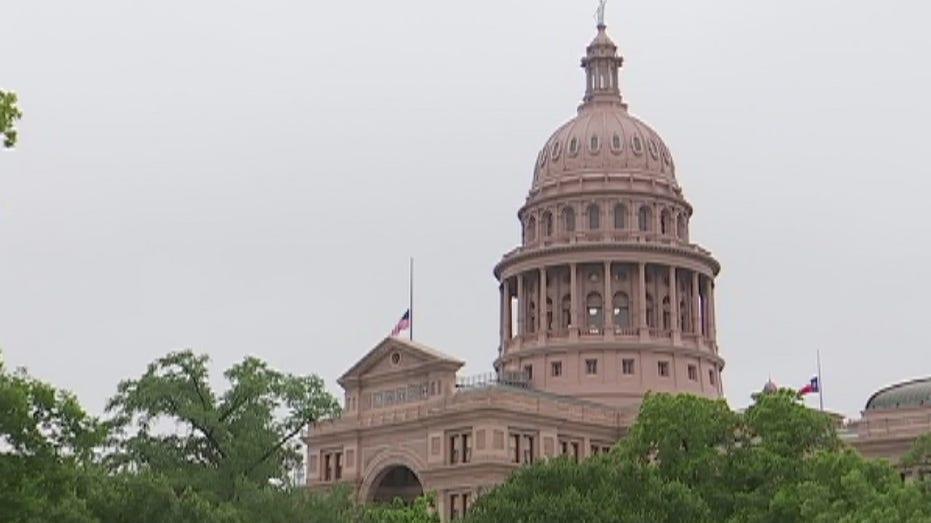
AUSTIN, Texas – As the first week of early voting draws to a close in Texas, a wave of uncertainty looms over the political landscape, particularly concerning voter turnout in relation to immigration enforcement. This issue is being closely monitored, especially in South Texas, where traditional Democratic strongholds are facing unexpected challenges from Republican candidates.
Recent discussions have highlighted the Democratic and Republican primary races for State House District 41, where allegations have surfaced regarding candidates posing as party members, with some labeled as political “Trojan horses.” This has sparked intense debate within both parties about the authenticity of their respective candidates.
Political Dynamics in South Texas
Brian Smith from St. Edwards University weighed in on the shifting political dynamics, noting the complexities at play in this mid-year election. He pointed out that without the influence of presidential coattails and with an open seat available, the race is wide open. The district, long considered a Democratic stronghold, is now attracting a diverse range of candidates with varying messages and experiences.
In discussing the contentious atmosphere in House District 41, Smith observed that both parties are questioning the legitimacy of each other’s candidates. “It’s not entirely unprecedented, as similar tactics have been used in the past,” he explained. “In primary elections, accusing a fellow party member of not being ‘true’ to the party can be an effective strategy to secure votes.” This strategy highlights the ideological divides within each party.
Immigration as a Central Issue
Amidst the political turmoil, immigration remains a pivotal issue in South Texas. Smith acknowledged that while it is a significant concern, the focus of immigration discussions has largely been on larger cities in the Northeast, rather than the ongoing challenges faced in the Rio Grande Valley. “What we’re witnessing locally is more of the status quo,” he remarked, “with immigration continuing to dominate the conversation, albeit without the heightened tensions seen elsewhere.”
As for the implications of the primary elections, Smith suggested they could serve as an early indicator for the upcoming general election. “Without incumbents in play, turnout will be crucial. If one party significantly outperforms the other in the primaries, it may signal a less competitive race than anticipated,” he stated.
Looking Ahead
The economic factors that influenced the 2024 election are expected to resurface following the primary elections, intertwining with the ongoing immigration debate. Early voting trends indicate a notable increase in Democratic participation, not just in South Texas but also in areas traditionally dominated by Republicans.
As the political scene evolves, the outcomes of these primaries could shape the future electoral landscape in Texas, with both parties keenly observing the results to gauge their strategies moving forward.