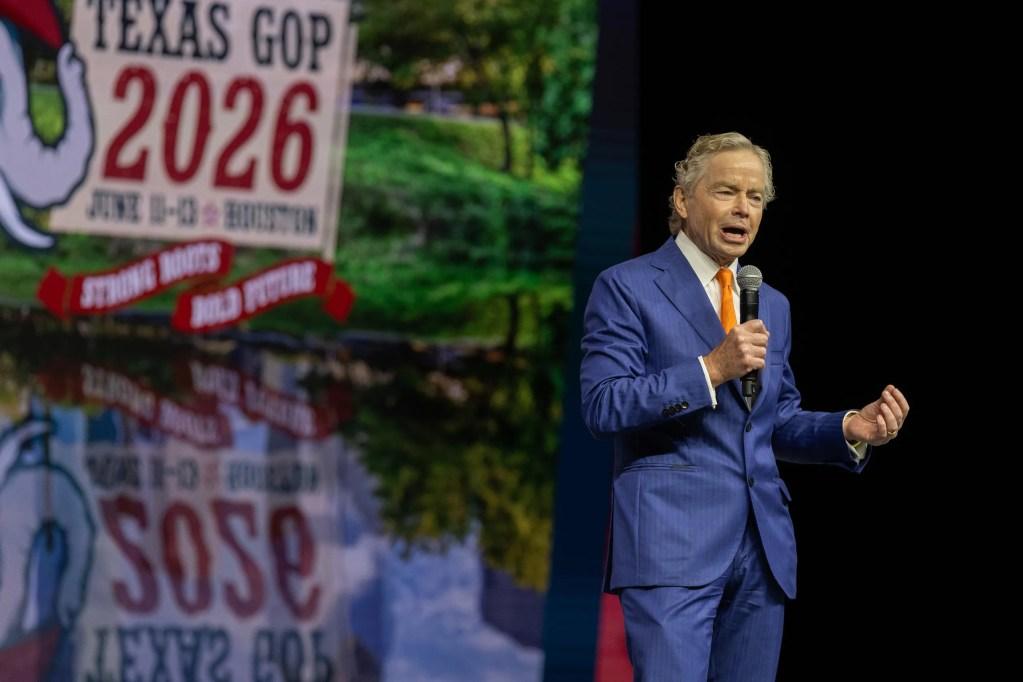









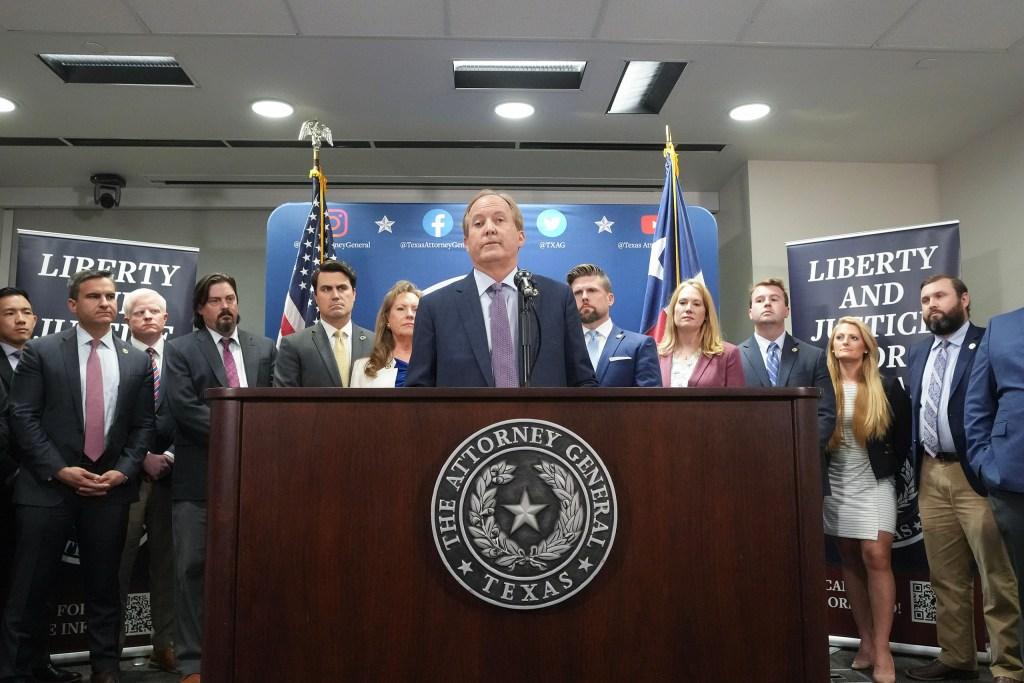
In the upcoming year, Texas voters will head to the polls to select a new attorney general, a significant shift as Ken Paxton will not be running for the first time in over ten years. This development opens the door for a competitive race, featuring four Republican candidates and three Democrats vying for the position of Texas’ chief legal officer.
The role of the attorney general has evolved in recent years, with these officials gaining political clout. As the largest state with a Republican attorney general, Texas has played a pivotal role in promoting conservative values through the legal system. However, the office also addresses numerous legal matters affecting everyday Texans, such as consumer protection and child support enforcement.
Paul Nolette, a political science professor at Marquette University, emphasizes the importance of this office, stating, “You want to pay close attention to this office, even if you haven’t necessarily before. The impact that they can have on the state, nationally, and on any issue that you care about, is immense.”
Understanding the Role of an Attorney General
Every state is equipped with an attorney general who acts as the lawyer for the state. This includes defending state agencies and laws in court, issuing legal opinions, conducting investigations, and filing lawsuits to protect residents.
In some states, the attorney general possesses both civil and criminal authority, serving as the top law enforcement official. In Texas, however, the attorney general primarily handles civil issues, stepping into criminal matters only in specific situations, such as voter fraud, where they have legislative authorization to act independently. For other criminal cases, they must be invited by local district or county attorneys to participate.
Eligibility to Run for Attorney General
Any U.S. citizen over 18 who has resided in Texas for at least a year and is registered to vote is eligible to run for attorney general. While candidates are not mandated to be practicing lawyers, legal experience is typically expected.
Unlike the federal attorney general, who is appointed by the president and can be dismissed at any time, the Texas attorney general is elected by the public and can only be removed through voter action or impeachment by the Legislature.
Responsibilities of Texas’ Attorney General
The Texas attorney general’s office is one of the largest in the nation, employing over 4,000 staff members, including 750 attorneys who primarily deal with nonpartisan legal matters for the state.
The agency is tasked with investigating and litigating cases of waste, fraud, and abuse, particularly concerning state funds, such as those in the Medicaid program. A significant part of its mission is consumer protection, ensuring that Texans are not misled by fraudulent businesses, deceptive charities, or violations of antitrust regulations.
Additionally, the attorney general provides legal counsel to state agencies and collaborates with them to defend against lawsuits, which may include personal injury claims, workers’ compensation, or civil rights violations. The office also enforces child support orders, aids crime victims, and coordinates efforts to combat human trafficking.
The Political Landscape
The perception of the attorney general’s role has shifted over time. Once viewed as a stepping stone to higher office, the position has now become a destination in its own right. Nolette notes that the attorney general is arguably the most influential position within state government due to the office’s independence and the discretion it holds in pursuing its agenda.
This evolution began in the late 1980s when states united to sue major tobacco companies, gaining momentum when the U.S. Supreme Court affirmed states’ rights to sue the federal government. Today, state attorneys general often appear before the Supreme Court more frequently than any other party aside from the federal government.
Paxton has notably engaged in over 100 lawsuits against the Biden administration on various issues, including immigration, abortion, and environmental policies, often in courts likely to be favorable to his administration. His focus has also shifted toward suing organizations that support immigrant services and challenging policies he perceives as discriminatory against Christians.
The Republican candidates looking to succeed Paxton have all pledged to continue his legal battles, while their Democratic counterparts aim to reverse many of his initiatives.
The Future of the Attorney General’s Office
The office of the Texas Attorney General has undergone significant changes under Paxton’s tenure, marked by considerable turmoil. His administration has faced ongoing legal challenges, including accusations from former deputies alleging misuse of office resources. Despite being impeached by the Texas House in 2023, he was acquitted by the state Senate and has since won reelection amidst these controversies.
Reports indicate that this political instability has adversely affected the agency’s operations. The Civil Medicaid Fraud unit, once a nationally recognized team, lost many of its attorneys following the dismissal of a respected leader. The Crime Victims’ Compensation unit has faced delays in payments to victims, and the human trafficking unit struggled with staffing issues, leading to a significant reduction in case closures during the COVID-19 pandemic.
Paxton’s office has also opted not to represent state agencies in numerous instances, compelling them to seek outside legal assistance, often at a higher cost. Nevertheless, some areas of the agency have seen revitalization, such as the aggressive legal actions against corporations and nonprofits, as well as targeting Democratic lawmakers who opposed the Republican agenda.
Current Candidates for Attorney General
The Republican primary is heating up as candidates vie for control of this vital legal office. U.S. Representative Chip Roy is a leading contender, having previously served as Paxton’s deputy. Roy has distanced himself from Paxton, advocating for his resignation after allegations surfaced against him. He has received endorsements from notable figures, including Senator Ted Cruz.
Aaron Reitz, another former deputy of Paxton, has been endorsed by the incumbent and emphasizes his loyalty and experience in driving the agency’s legal strategies. Additionally, State Senator Mayes Middleton, known for his conservative stance, and State Senator Joan Huffman, who brings judicial experience, are also in the running.
On the Democratic side, candidates are united in their criticism of Paxton’s leadership. State Senator Nathan Johnson, former Galveston Mayor Joe Jaworski, and newcomer Tony Box, a Dallas attorney and veteran, are all campaigning to bring about change in the office.