









Exploring the Natural Beauty of Texas Beaches
The Texas coastline, stretching over 367 miles along the Gulf of Mexico, offers a striking mix of tranquil shores, vibrant wildlife, and rich biodiversity. The state’s beaches, from Galveston to South Padre Island, are not just destinations for sun-seekers; they also serve as ecologically significant habitats. With pristine waters and vast ecosystems, Texas beaches are a haven for various species, creating an intricate tapestry of life that thrives in this unique coastal environment.
Whether it’s the gentle waves crashing on the shore or the call of seabirds overhead, the experience of being at a Texas beach is a sensory delight. The dynamic interplay between land and sea fosters a diverse array of habitats, including marshlands, dunes, and estuaries. These environments provide essential resources for countless species, making Texas beaches a critical component of the state’s ecological landscape.
Rich Biodiversity: Flora and Fauna of Texas Coastlines
Texas beaches are teeming with life, showcasing an array of plant and animal species adapted to coastal conditions. The diverse ecosystems found along the Gulf Coast include sand dunes, tidal marshes, and estuarine environments that support both terrestrial and aquatic species. The richness in biodiversity is not only vital for the ecological balance but also for recreational activities and tourism.
Sand Dunes are one of the most remarkable habitats along the Texas shore. These natural formations provide shelter for a variety of plants, such as sea oats and dune grass, which play an essential role in stabilizing the sand and preventing erosion. These grasses, with their deep root systems, allow for nutrient absorption and are crucial for maintaining the integrity of the beach landscape. Additionally, the dunes serve as nesting sites for many bird species, including the endangered piping plover.
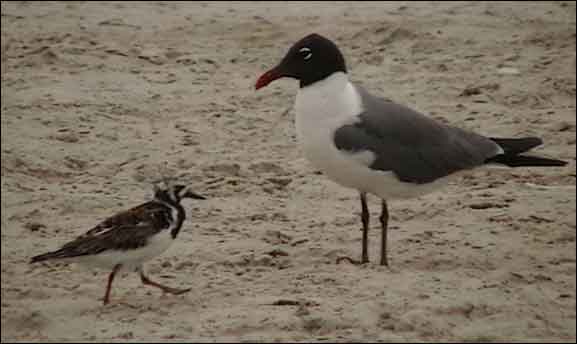
In the intertidal zones, a rich community of organisms thrives, including mollusks, crabs, and various species of fish. The coastal waters are particularly significant for migratory birds that rely on these areas as stopover points during their long journeys. Birdwatchers flock to locations such as the Padre Island National Seashore, where over 300 species of birds have been documented. Among these, the colorful roseate spoonbill and the majestic osprey can often be spotted hunting for their next meal.
Marine Life in Texas Waters
The Gulf of Mexico is renowned for its rich marine biodiversity, which is essential to the health of the overall ecosystem. Among the wide variety of marine life are sea turtles, dolphins, and exotic fish species that draw nature enthusiasts and anglers alike. Two notable species, the loggerhead turtle and the green sea turtle, can often be seen in Texas waters, especially during nesting seasons.
Texas serves as a critical nesting ground for these sea turtles. Protection measures have been implemented by conservation groups and state agencies to ensure the survival of these magnificent creatures. Biologists monitor nesting sites closely, raising awareness about the threats posed by beach development, pollution, and climate change. Moreover, many organizations organize beach clean-ups and educational programs to promote conservation efforts.
The coastal waters are also home to various species of fish, including flounder, redfish, and spotted seatrout. This abundance attracts sports fishermen from across the country, eager to experience the thrill of catching these prized specimens. Ecotourism activities centered around fishing, boating, and snorkeling not only provide recreational enjoyment but also contribute significantly to the local economy.
The Importance of Coastal Ecosystems
Coastal ecosystems in Texas play a vital role in maintaining environmental health and stability. They act as natural buffers against storms, helping to absorb the impact of hurricanes and flooding. Marshes and wetlands filter pollutants from runoff, improving the quality of water that flows into the Gulf, thereby supporting marine life. These ecosystems are intricately linked to the overall health of the Gulf of Mexico and are essential for the ecological balance.
Wetlands provide critical services that benefit both wildlife and humans. They serve as nurseries for fish and invertebrates, supporting commercial fisheries while hosting a plethora of birdlife. Many species, such as the reddish egret, make their homes in these wetland areas, feeding on small fish and invertebrates. As one of the most biologically productive ecosystems on the planet, wetlands contribute to high levels of biodiversity.
The conservation of these habitats is crucial for not just ecosystem sustainability but also for the cultural heritage of Texas. Many coastal communities rely on these ecosystems for food, recreation, and heritage tourism. Protecting these precious natural areas ensures that future generations can enjoy the beauty and benefits they provide.
The Impact of Climate Change
The coastal regions of Texas face significant threats from climate change, which brings rising sea levels, increased storm intensity, and shifting temperature patterns. These changes have far-reaching effects on coastal ecosystems, endangering both wildlife and the communities that depend on the coastline for their livelihoods. Scientists warn that the erosion of coastal habitats can lead to loss of biodiversity, impacting both marine and terrestrial species.
Efforts to mitigate the impact of climate change include grassroots advocacy and state-wide initiatives focused on habitat restoration and sustainability. These efforts seek to enhance resilience in coastal ecosystems through the restoration of wetlands and the establishment of protective legislation. Organizations are collaborating with local communities, businesses, and policymakers to develop strategies that prioritize ecological health and long-term sustainability.
Additionally, education plays a key role in addressing climate change impacts. Programs aimed at informing the public about the vital importance of coastal ecosystems encourage community engagement in conservation efforts. By fostering a deeper understanding of the interconnectedness of human activities and environmental health, it is possible to inspire more sustainable practices among residents and visitors alike.
Recreational Opportunities Along the Texas Shoreline
Beyond its ecological significance, Texas beaches offer a wealth of recreational opportunities for locals and tourists. From swimming and sunbathing to fishing and birdwatching, there is something for everyone. Each beach has a unique character, catering to different preferences and activities, making the Texas coastline a versatile destination for outdoor enthusiasts.
Popular spots like South Padre Island and Port Aransas attract visitors for their family-friendly environments and vibrant atmospheres. South Padre Island is famous for its beautiful beaches that are perfect for swimming, kite boarding, and enjoying the local nightlife. In contrast, Port Aransas offers a more laid-back atmosphere, ideal for wildlife watching and fishing.
The extensive network of state parks and nature reserves along the Texas coast, such as Galveston Island State Park and Brazoria National Wildlife Refuge, provides visitors with access to hiking trails, picnic areas, and viewing points for observing wildlife. Many parks feature boardwalks that allow visitors to traverse marshy areas, providing opportunities to see birds and other wildlife up close. These amenities enhance the visitor experience while promoting conservation awareness and education.
Protecting Texas Beaches for Future Generations
Protecting the natural beauty of Texas beaches is essential not only for wildlife but also for the enjoyment of future generations. Ongoing conservation efforts focus on managing human activities, preventing pollution, and restoring damaged habitats. Local organizations have sprung up to spearhead these initiatives, emphasizing community involvement in preservation efforts. Engaging locals in beach clean-ups and educational programs fosters a collective responsibility toward coastal stewardship.
Policy measures play an equally important role in safeguarding these ecosystems. Regulatory frameworks aimed at limiting coastal development and enforcing protective measures against pollution are vital for maintaining the ecological balance. Transparency and accountability in decision-making processes ensure that community voices are heard and considered in management practices.
As Texas faces the challenges posed by climate change, the importance of community advocacy and active participation in conservation efforts will only increase. Through collective action, education, and effective policy, communities can work towards a future where Texas beaches remain vibrant ecosystems that provide enjoyment and benefit to all.
By recognizing the interconnectedness between humanity and nature, residents and visitors can make informed choices that promote the health and sustainability of Texas beaches and the rich wildlife they support.