






At least three counties in Texas have recently received or been notified that they will soon receive administrative subpoenas from the U.S. Department of Homeland Security (DHS). These subpoenas are aimed at acquiring detailed records related to certain voters, including their registration applications and voting histories, although the specific individuals involved have yet to be disclosed to the counties.
The subpoenas are believed to be part of ongoing efforts by the Trump administration to verify the citizenship status of registered voters. In December, Texas provided its voter rolls to the Justice Department, which included identifiable information such as dates of birth, driver’s license numbers, and partial Social Security numbers. However, the state does not have access to voters’ registration applications or signatures, as this information is maintained by county voter registrars.
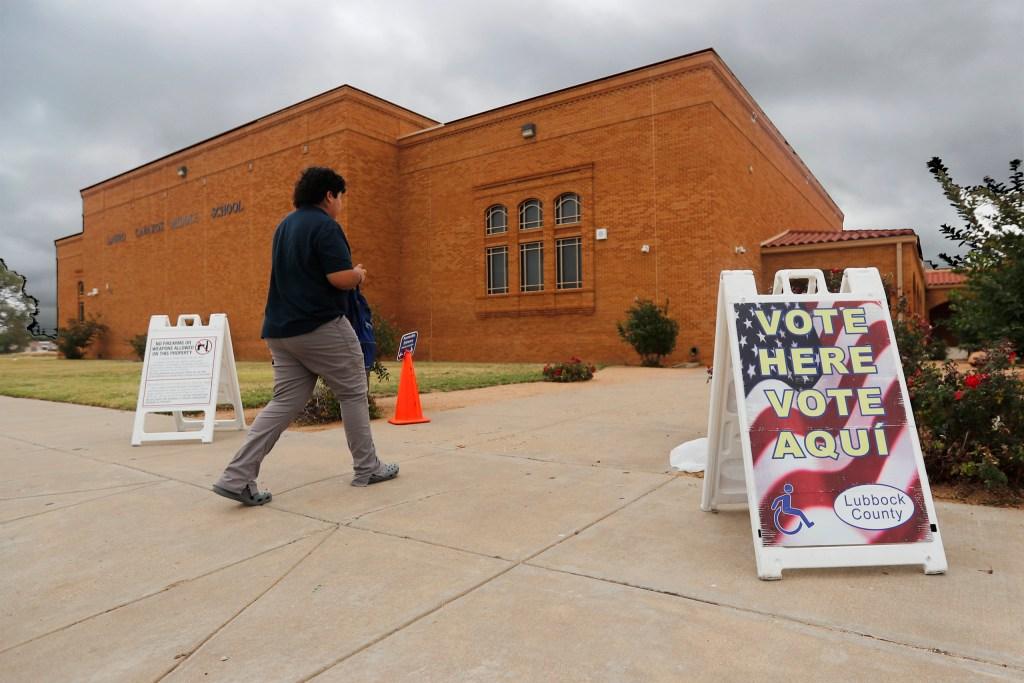
Roxzine Stinson, the elections administrator for Lubbock County, stated that she had a meeting with a DHS representative who indicated that a subpoena would soon be issued for information on at least 10 voters, potentially extending to as many as 30. Stinson plans to consult with the county’s legal department regarding how to properly respond to the request.
Trudy Hancock, the elections administrator for Brazos County, confirmed that her office received a subpoena via email this week. The subpoena specifically requests voter registration records, including applications, signatures, and voting histories, without identifying specific voters. Hancock is also seeking legal counsel to navigate the open-ended nature of the request.
In Montgomery County, election administrator Suzie Harvey confirmed receiving an in-person subpoena, which, like the one in Brazos County, does not specify which voters’ records are being sought.
The DHS has not yet responded to inquiries about the subpoenas. Similarly, the Texas Secretary of State’s Office has refrained from commenting on whether it has received any subpoenas from DHS, although spokesperson Alicia Pierce acknowledged awareness of some counties receiving them.
Historically, the Trump administration has aggressively pursued voter roll data from states, demanding unredacted versions that include personally identifiable information such as driver’s license numbers and partial Social Security numbers. To date, the U.S. Department of Justice has initiated lawsuits against 30 states and the District of Columbia for refusing to comply with these requests.
The federal government has also encouraged states to cross-check their voter rolls against a revamped Homeland Security database, known as SAVE, designed to more effectively identify potential noncitizens among registered voters. Texas conducted this review and flagged 2,724 voters as potential noncitizens; however, some of these individuals have since been confirmed as citizens, with evidence of their citizenship already provided to the state. Watchdog organizations have raised concerns regarding the accuracy of this database.
Recent reports indicate that the Justice Department and DHS have come to an agreement allowing DHS to obtain voter roll data from the states.
Justin Levitt, an election law professor at Loyola Marymount University and former advisor to President Biden on democracy and voting rights, noted that if the DHS is investigating potential noncitizens registered to vote, it would make sense for them to seek additional specific records. He emphasized that subpoenas should ideally request information about identifiable voters rather than being broadly open-ended, as seen in the cases of Hancock and Harvey.
Chris McGinn, executive director of the Texas Association of County Election Officials, expressed that while the organization values the necessity of federal oversight, it is essential that any such requests adhere to the law and respect the principles of federalism that govern election administration in Texas. The organization advises county election officials receiving federal subpoenas to consult with their legal representatives prior to any action.