






In response to increasing public concern over the rapid proliferation of data centers throughout Texas, Governor Greg Abbott announced a moratorium on the approval of new data centers on Monday. This suspension will remain in place until regulatory agencies can conduct thorough audits of proposed data centers seeking to connect to the state’s electric grid.
The duration of the audit remains uncertain, but this initiative marks Abbott’s most significant attempt to curb the expansion of these facilities statewide. It also highlights the limited information available to the public, including state officials, about these operations.
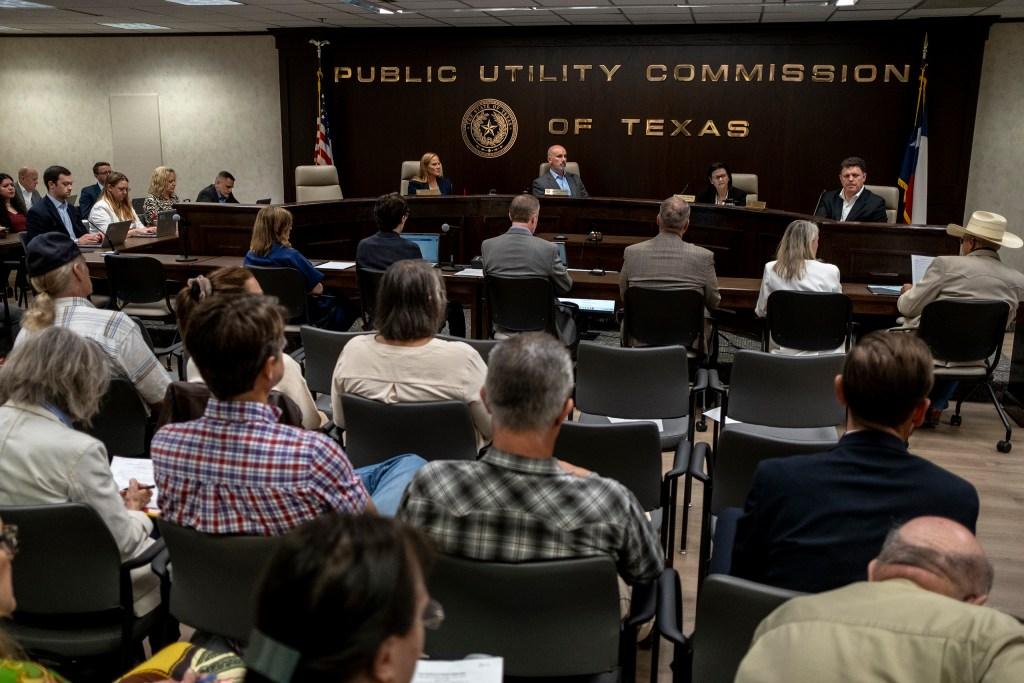
Abbott has directed the Public Utility Commission of Texas (PUCT) and the Electric Reliability Council of Texas (ERCOT) to ensure that data center developers provide essential details regarding tax incentives, energy consumption, water usage, community impact mitigation efforts, and facility ownership. Any projects that do not meet the standards outlined in Abbott’s directive for a “comprehensive verification and audit” will be denied connection to the electric grid.
“Our top priority is to protect Texans’ safety and quality of life,” Abbott stated. “Any project that fails to comply with the requirements set forth by the PUCT and ERCOT, and by state law, must be denied connection to the Texas grid. Simply put, Texans must come first.”
Abbott’s communication to PUCT and ERCOT mandates an audit of all data centers currently progressing through ERCOT’s interconnection queue, which includes over 1,800 projects representing more than 474 gigawatts of electricity—approximately five times the grid’s peak demand record. Abbott noted that about 90% of these new power requests are linked to data centers.
ERCOT and the PUCT are already reviewing some projects in the queue through a process known as “batch zero.” It remains unclear whether Abbott’s request applies to these projects or encompasses all in the queue. In response to the governor’s order, ERCOT announced on Monday that it would pause the batch zero review.
Currently, no comprehensive state or federal database exists for these facilities, but it has been identified that at least 335 data centers are operational in Texas, making it the second-largest market for such centers in the nation, behind Virginia. Additionally, there are at least 248 planned data centers in the state, with hundreds more in earlier development stages awaiting connection to the power grid.
While Abbott’s directive halts the approval of new data centers connecting to the ERCOT grid, some facilities are constructing on-site power generation systems that allow them to bypass traditional grid connections. It’s also worth noting that the ERCOT region does not encompass the entire state, including areas like El Paso, which has witnessed significant data center development.
The Data Center Coalition, representing some of the largest technology companies in the nation, expressed cautious optimism regarding Abbott’s announcement, suggesting it could help distinguish responsible developers from those acting irresponsibly. They urged regulators to expedite the audit process.
“If executed properly, this review can highlight the reputable actors in the data center industry instead of causing unnecessary delays, thereby ensuring Texas maintains its status as a leader in economic development,” said Dan Diorio, a spokesperson for the coalition.
Amid ongoing efforts for transparency, lawmakers have been pressing for clearer insights into the facilities’ energy consumption, water usage, and access to tax incentives, as the Legislature contemplates stricter regulations for the industry.
Abbott cited non-compliance with a recent PUCT survey measuring water and power usage among some data centers as a key reason for the need for an audit, as this non-compliance hampers informed decision-making by regulatory agencies.
Developed in collaboration with the Texas Water Development Board, the PUCT’s survey aims to gather data on a data center’s water consumption, cooling methods, water sources, electricity demand, and whether facilities are linked to the state’s electric grid or relying on their own power sources. The findings are intended to guide long-term state water planning.
State law mandates that the PUCT share this information with the water development board and environmental regulators, submitting a report to the governor and the Legislative Budget Board by year-end.
During a June hearing, Representative Brad Buckley, a member of the House Natural Resources Committee, criticized the participation in the survey as “pretty pathetic,” noting that only 28 out of 377 notified companies submitted responses.
In June, Abbott also directed the PUCT and ERCOT to require data centers to fully fund necessary electric infrastructure costs and implement measures to lower electricity expenses for residents.
On July 17, PUCT Chair Thomas Gleeson responded with a letter detailing actions already taken by the agencies and urged the Legislature to grant them increased authority to regulate the industry.
Abbott’s directive may disrupt ERCOT’s ongoing revision of its project approval process for the interconnection queue, which seeks to mandate larger projects to provide more comprehensive information before progressing. The PUCT approved new rules for the first set of projects under consideration in June, and agencies are currently working to establish a more permanent regulatory framework for remaining projects in the queue.
An ERCOT representative stated that the grid manager is evaluating Abbott’s order and will delay the ongoing batch zero transmission planning study.
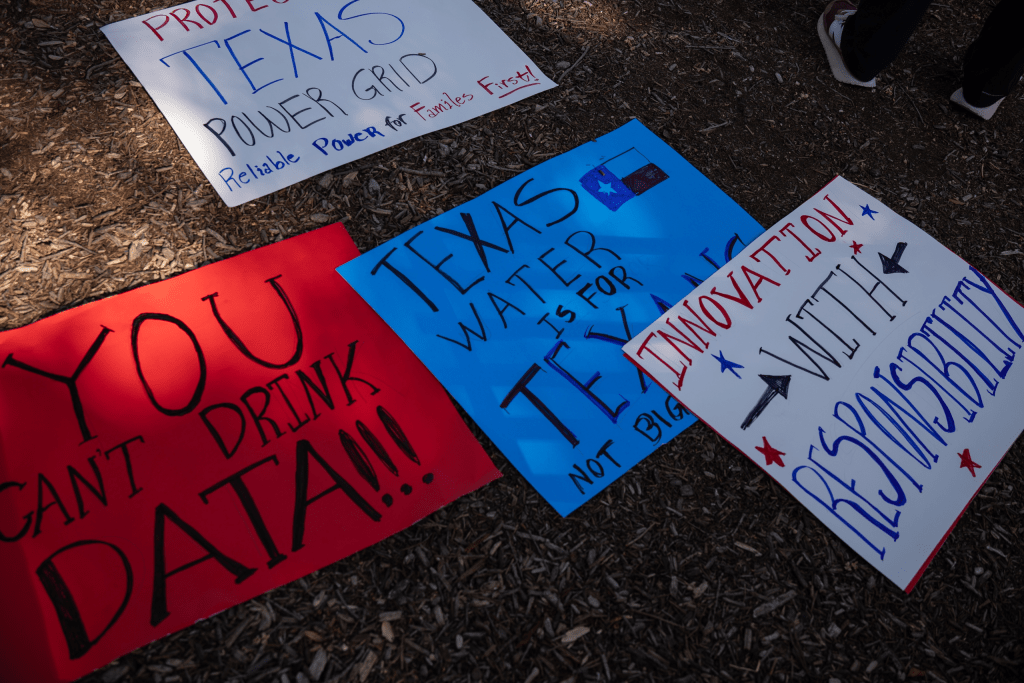
In response to grassroots opposition against data center development, various city and county governments in Texas have attempted to impose moratoriums on such projects. Hood County rejected two attempts to implement a countywide moratorium in February after a warning from state Senator Paul Bettencourt regarding legal authority. Hill County approved the state’s first moratorium in May but rescinded it a month later following a $100 million lawsuit from a developer. In June, San Marcos became the first Texas city to enact a moratorium.
On a national scale, New York Governor Kathy Hochul faced backlash from former President Donald Trump after she instituted a one-year pause on the construction of the largest data centers.
Critics of the data center industry argue that Abbott’s directive falls short of a true moratorium. Texas Department of Agriculture Commissioner Sid Miller described the directive as vague and an inadequate substitute for legislative action, although he acknowledged the necessity for increased scrutiny.
“Without legislative action, this directive is all hat and no cattle—empty political rhetoric wrapped in meaningless fluff,” Miller remarked. “Texans need laws with teeth, not another press release designed to create an illusion of action while large-scale projects continue unabated.”
Miller and other opponents of data center development are urging Abbott to call a special legislative session to enable the passage of regulations governing the industry.
“AI holds significant potential, but it should not come at the expense of our water, air, and neighborhoods,” stated Luke Metzger, executive director of Environment Texas, emphasizing the need for a data center-focused special session. “Now that the state is asking the right questions, it must use the answers to develop safeguards that protect Texans.”
State Representative Gina Hinojosa, an Austin Democrat running against Abbott, criticized the governor’s directives as insufficient. “It’s nice to see another strongly worded letter from Abbott after he has proudly made Texas the wild west of data centers,” Hinojosa commented. “Abbott’s call for a ‘pause’ could last just one day – and no one believes it. He has accepted millions from data center executives while offering Texans hollow promises of non-existent restrictions.”