








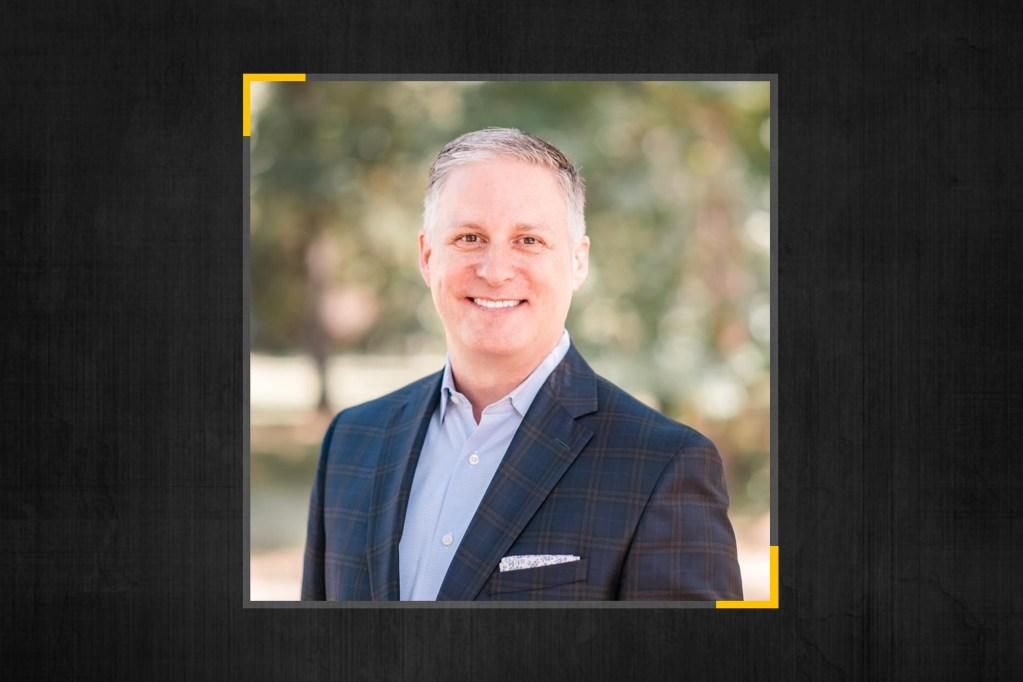
In 2012, restaurateur Brad Bailey from the Houston area attended the Republican National Convention in Tampa with a mission: to advocate for a legal pathway for foreign labor and to tone down the harsh immigration rhetoric prevalent at the time.
Fast forward to the present, and Bailey is now the GOP nominee vying for the Texas House seat in District 15, supporting the border wall and the deportation policies of former President Donald Trump.
Bailey gained attention during the 2012 convention, where a New York Times article spotlighted his “personal campaign” to incorporate foreign labor into the Republican Party platform. He openly criticized hardline figures such as then-Arizona Governor Jan Brewer and Sheriff Joe Arpaio, claiming their rhetoric was detrimental to the Republican brand. “Jan Brewer and Joe Arpaio are hijacking the issue and damaging the Republican party brand,” he stated. “We need to stop the hateful language and fix this problem.”
Now, fourteen years later, Bailey has shifted his stance significantly. He has expressed opposition to any form of amnesty for undocumented immigrants and endorses Trump’s aggressive border policies. However, he refrained from clarifying his current views on the guest worker program he once championed.
“The Biden administration’s open-border policies and willingness to allow millions of illegal immigrants into our country have completely reshaped this issue, making me and many other conservatives craft a new solution for the problem that exists today,” said Bailey, who also serves as chair of The Woodlands Township Board of Directors.
Bailey’s earlier concerns about the impact of anti-immigration policies on the Hispanic vote were rooted in the context of racial profiling lawsuits against Arpaio and the Maricopa County Sheriff’s Office that peaked around 2011 and 2012. The U.S. Supreme Court upheld Arizona’s controversial “papers, please” law during this tumultuous period, leading Bailey and others to fear that the Republican Party would alienate Hispanic voters in the upcoming elections.
Since then, the GOP has largely adopted the immigration strategies and rhetoric that Bailey once criticized, following Trump’s lead. Many of Texas’ significant immigration laws, such as the 2017 sanctuary cities ban and last year’s Senate Bill 8—which mandates cooperation with federal immigration authorities—have been influenced by Arizona’s SB 1070.
Bailey pointed out a notable shift in voter demographics, stating that Republicans have improved their standing among Hispanic voters, increasing from an estimated 27% support for Mitt Romney in 2012 to 48% for Trump in 2024. He also highlighted the Republican Party’s recent success in South Texas, where they flipped the traditionally Democratic Rio Grande Valley in the last election.
Bailey is set to compete against Democratic nominee Moniqua’ Scott and Libertarian Jessi Cowart in the upcoming November election, with Trump having won House District 15 by a substantial 27-point margin in 2024.
Having run unopposed for the GOP nomination after Steve Toth, a prominent conservative in the Texas House, chose to challenge U.S. Rep. Dan Crenshaw, Bailey’s candidacy marks a potential shift in both tone and strategy for the district. He has garnered support from groups like Texans for Lawsuit Reform PAC and the Associated Republicans of Texas, which demonstrates his alignment with the business-oriented faction of the Texas House Republican Caucus.
Despite some concerns within the business community that stringent deportation policies may harm the economy and alienate Hispanic voters, Bailey maintains a firm stance. “I still recognize that finding skilled and unskilled labor remains an issue for all business owners, but hiring illegal immigrants to fill these positions is not the solution,” he asserted.
As the Texas House braces for a new class of lawmakers, Bailey is among several candidates whose views on immigration and conservative policies have evolved since 2012. “The world today is nothing like it was in 2012, and pretending otherwise ignores reality,” he concluded.