




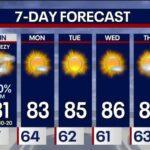



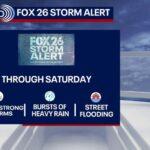
Central Texas is experiencing one of its wettest June months in years, creating favorable conditions for pest proliferation. With a total of 6.5 inches of rain recorded in the Austin area, the rainfall has surpassed the typical June average of just over 3 inches.
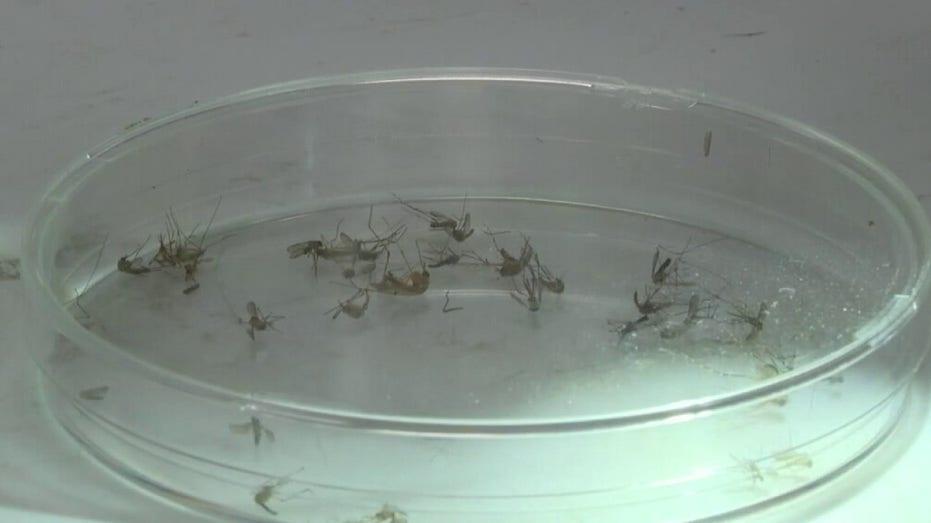
This abundance of moisture is not only nourishing lawns but also leaving behind stagnant water, which serves as an ideal breeding ground for mosquitoes. Recently, the Williamson County and Cities Health District confirmed the first positive test for West Nile Virus in mosquitoes this season, detected in a trap located near Geneva Park in Georgetown. Fortunately, no human cases have been reported to date.
Health experts are advising residents to remain vigilant. Dr. Jake Childers, the Medical Director at NormanMD, expressed concerns about the potential for a particularly challenging year for mosquitoes, ticks, and other pests in the region. “This is going to be a particularly rough year, I think, for mosquitoes and ticks and frankly, other insects in Central Texas,” he stated.
While the general risk of infection remains low for most individuals, awareness and preventive measures are crucial. Dr. Childers noted that cases of West Nile Virus, though uncommon, do occur within Central Texas. “Specifically with regard to mosquitoes, the things that we would see routinely or more routinely would be West Nile virus,” he explained.
Additionally, the same humid conditions that promote mosquito populations can also prolong the lifespan of ticks. “From a tick standpoint, we see Rocky Mountain spotted fever from time to time,” Dr. Childers mentioned, adding that Lyme disease is relatively rare in Texas, with only 50 to 100 cases reported annually, most of which involve individuals who contracted the disease outside the state.
Should anyone contract either virus, symptoms can include fever, body aches, headaches, fatigue, malaise, and chills. Health officials recommend adhering to the three D’s of prevention:
- Dump standing water
- Defend yourself with EPA-approved insect repellent
- Dress to protect exposed skin
If symptoms do arise, it is essential to reach out to a healthcare professional for guidance.