







In 2023, the Texas Legislature unanimously approved a law that increased auto insurance premiums by $1 in an effort to tackle the growing issue of catalytic converter theft.
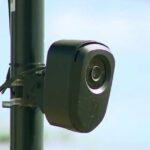
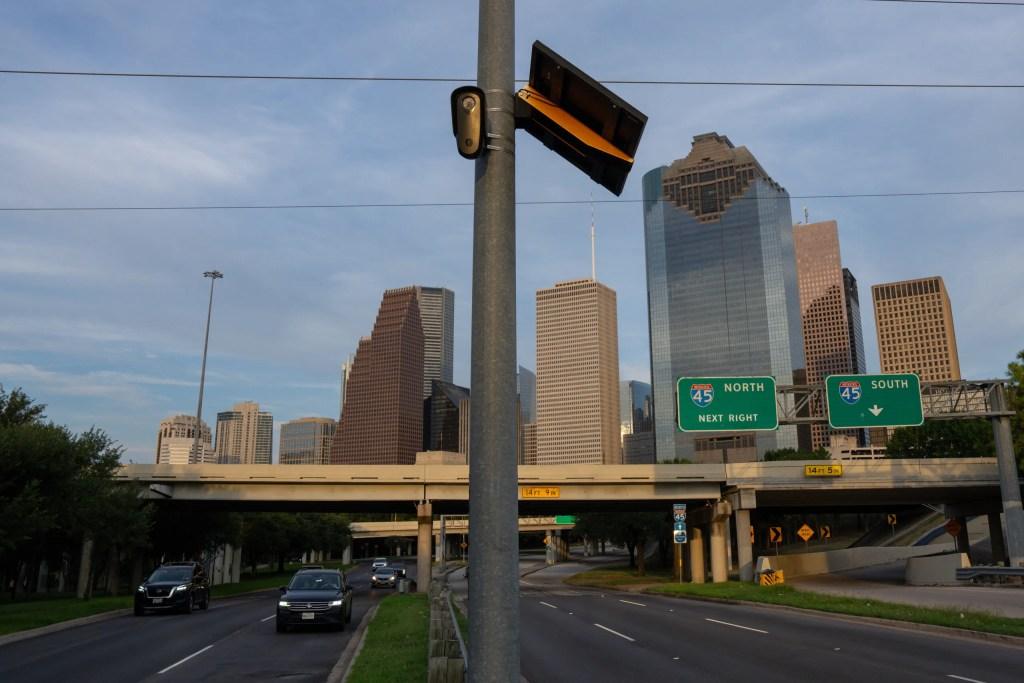
Three years later, a relatively obscure state agency has allocated at least $30 million of that fee to enhance the state’s Flock surveillance network. This initiative has placed cameras along highways and streets stretching from El Paso to the Louisiana border, as revealed by an analysis.
The Motor Vehicle Crime Prevention Authority, overseen by a board primarily appointed by Governor Greg Abbott, has successfully transformed the dollar fee increase into a network of more than 3,200 Flock cameras.
The agency has distributed at least 95 grants to assist law enforcement agencies in acquiring and maintaining approximately 2,000 Flock cameras. An additional $15.9 million is being used to enable the Texas Department of Public Safety to install nearly 1,200 more cameras.
Moreover, the agency recently approved another $3 million to support DPS in the installation of 583 additional cameras along Texas tollways within the coming year.
During an August 2023 meeting, Miguel Rodriguez, chair of the Motor Vehicle Crime Prevention Authority, expressed his ambition to utilize the funds from the fee increase to ensure comprehensive camera coverage across the state.
Rodriguez, who is also the Police Chief of Laredo, views the cameras as invaluable tools for law enforcement, particularly in disrupting criminal organizations.
“That kind of capability directly disrupts the operational advantage these transnational criminal organizations rely on, and it strengthens our ability to protect both Texas communities and the broader region,” he stated in an email.
However, after multiple inquiries from the analysis team, Abbott’s office announced on Friday that the governor is halting all state funding for local grants intended for Flock cameras.
“To the extent that cities receive any funding for those cameras, most of it is sourced from the federal government. Any funding from Texas agencies will clarify that those funds cannot be allocated for Flock cameras,” said Abbott spokesperson Andrew Mahaleris in a statement.
The annual fee increase of $1 has generated an estimated $81 million, allowing the authority to channel $50.8 million into 234 grants that have helped reimburse police departments for personnel, crime analysts, and attorneys involved in prosecuting vehicular crimes, as well as drones and other surveillance equipment.
The analysis revealed that grants awarded to police departments varied significantly, from $7,000 for two Flock cameras in Bellmead, near Waco, to nearly $1.7 million for 201 cameras in Dallas. In some cities, such as Laredo and El Paso, entire networks of Flock cameras were funded by grants.
The agency has not disclosed the specific amount of grant money allocated to Flock cameras. Instead, the analysis traced the grants by examining the vehicle authority’s meeting records, alongside documents and discussions from 101 city councils and county commissions that dealt with Flock-related grants.
It is probable that the authority has funded more Flock cameras than the analysis indicates, as 124 grants lack clear public documentation regarding the purchases made.
The widespread initiative to expand Flock cameras is facing increasing resistance, including from some legislative members, despite the initial unanimous approval of the $1 fee.
“The sheer volume of information captured raises concerns regarding the Fourth Amendment,” remarked Rep. Mitch Little, R-Lewisville.
State Senator Carol Alvarado and Rep. Jeff Leach, who sponsored the bill, stated that surveillance cameras were never addressed during the legislative discussions. Alvarado expressed surprise upon learning from the analysis that the insurance fee was funding AI-supported license plate readers.
“I did not have that in mind when we passed the bill,” she noted. “When I think of combating crime, I envision more boots on the ground, hiring more officers, or engaging in some form of undercover work.”
Alvarado acknowledged the “fine line” between safeguarding the public from crime and upholding privacy rights but indicated that she does not plan to introduce legislation to alter the grant requirements.
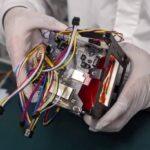
Flock cameras, regarded as the most widely utilized license plate readers in the nation, generate a “vehicle fingerprint” using artificial intelligence. This technology stores essential vehicle details, including license plate numbers, make, model, color, and identifying characteristics such as dents or bumper stickers, in a database accessible to law enforcement without the necessity of a search warrant.
The exact number of Flock cameras in Texas remains uncertain. An anti-surveillance organization, DeFlock, has identified approximately 13,000 cameras across the state through verified crowdsourcing. Based on this data, the insurance fee increase has financed one in four of Texas’s cameras.
This figure reflects a significant rise in the number of Flock cameras in the state since December 2023, when a company spokesperson informed the vehicle authority’s board that around 7,500 cameras were operational.
While Flock does not disclose its total camera count, Texas is estimated to have the second largest number of cameras in the U.S., following California. Nationwide, Flock claims that around 7,000 law enforcement agencies utilize approximately 120,000 cameras and other surveillance tools.
In Texas, state agencies do not solely depend on vehicle authority grants for surveillance technology. Abbott’s office highlighted federal grants as a funding source for the cameras. For instance, DPS has a $28.5 million contract for Flock cameras. Nevertheless, the grants have been instrumental in making these cameras accessible to smaller police departments that may struggle with the costs of such equipment.
Departments participating in Flock’s national lookup program can search each other’s data from anywhere in the country, enabling unprecedented vehicle tracking capabilities.
According to Flock spokesperson Trevor Chandler, this data-sharing ability has proven to be one of the most effective means for locating over 10,000 missing persons last year.
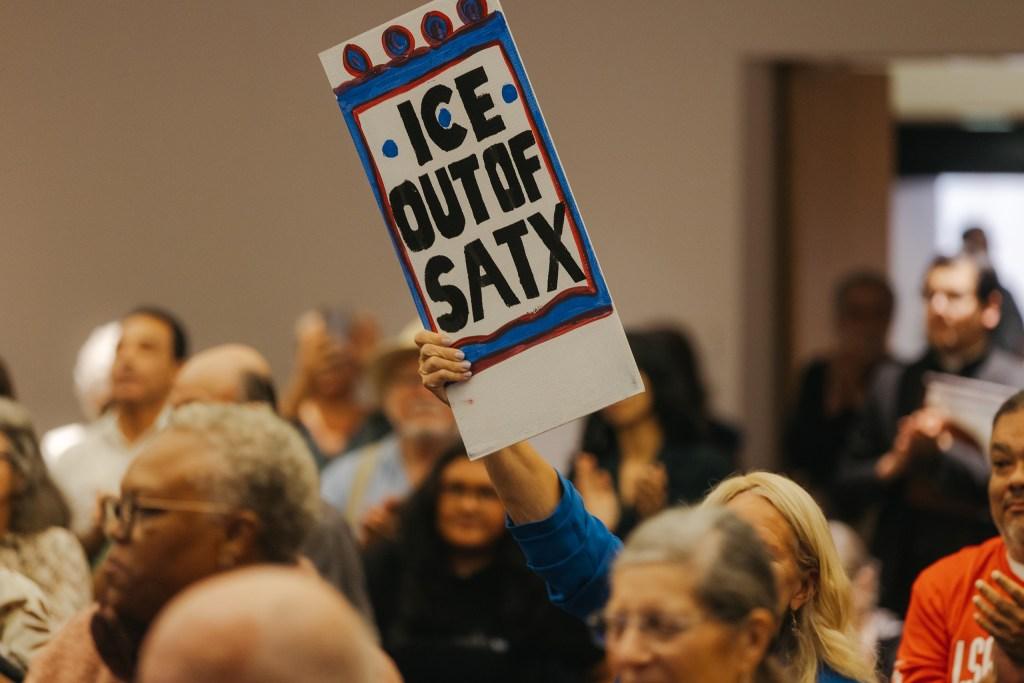
Conversely, a growing coalition of Texans opposes the cameras, labeling the Flock network as a perilous blend of invasive surveillance and insufficient oversight that compromises privacy rights.
Kenneth Feagins, an organizer with DFW DeFlock, pointed out an “alarming trend” of police misusing a network capable of accumulating data on individuals’ daily activities, such as where they live, shop, worship, and work.
“For me, it’s always been the question of how much liberty we are willing to sacrifice for safety,” Feagins stated.
Recent revelations of misuse, including police officers using Flock data to stalk former partners and colleagues, have heightened these apprehensions.
A Lufkin officer was indicted on August 24 on 100 counts of misusing official information, which Abbott cited as a troubling development during a recent radio interview. Other officers in Baytown, Harris County, Fort Bend County, Temple, and Pasadena have also faced arrests, disciplinary actions, or investigations.
“There are many malicious uses for this data, and those scenarios are no longer theoretical,” Feagins remarked.
The Motor Vehicle Crime Prevention Authority was established in 1991 to address automobile theft.
The authority is managed by a DPS official and a board of six members appointed by the governor, which includes two from law enforcement, two from the insurance sector, and two consumer representatives.
The agency primarily exercises its influence through grants funded by additional fees on annual auto insurance premiums — initially $1, increasing to $2 in 2011 and $4 in 2019 — which mainly supported task force operations for police departments.
In response to a surge in catalytic converter thefts across Texas, lawmakers sanctioned a further $1 increase to the insurance fee in 2023 through legislation named after Harris County Deputy Darren Almendarez, who was fatally shot while interrupting a catalytic converter theft.
The legislation did not address license plate readers, and Rep. Brian Harrison, who supported the bill, admitted he was unaware of any discussions regarding the fee increase’s potential use for such purposes. Harrison has since introduced bills aimed at requiring a warrant before police can access license plate reader data.
“I never could have imagined that this would be utilized for what amounts to warrantless surveillance,” Harrison stated. “I doubt it would have received unanimous support otherwise. I certainly would not have voted for it if I knew the funds would be redirected to Flock cameras.”
Anticipating substantial revenue from the $1 insurance fee increase, the vehicle authority solicited input from law enforcement on the most effective use of the funds. Automatic license plate readers, such as Flock cameras, emerged as the preferred choice for tackling catalytic converter theft, surpassing other options like investigator overtime and additional training.
According to Rodriguez, the cameras are particularly effective in addressing catalytic converter theft, a “mobile, high-volume, low-witness crime” where the vehicle involved is often the sole lead.
Without technological assistance,