








When Monte Walker assumed the role of city manager in Howe, Texas, a small community located approximately 50 miles north of Dallas with a population of 3,686, the city had not conducted financial audits for two consecutive years. This lapse was notable, as state law mandates annual audits. Walker noted that previous management had failed to fulfill this requirement before he began his tenure in 2023.
Now, nearly three years later, Walker claims Howe is close to rectifying its audit situation. However, last month, the city received a letter from Texas Attorney General Ken Paxton, indicating that due to the overdue audits, the city’s property tax rate had been effectively frozen for the foreseeable future. This decision stems from a new state law that prohibits cities from increasing property taxes unless they are current with their financial audits—a regulation that appears to be disproportionately impacting smaller Texas towns amid tightening municipal budgets.
Howe is among over 130 Texas cities, most with populations under 10,000, that were instructed by Paxton to halt property tax increases due to non-compliance with the audit law. This situation places Howe in a difficult position, as Walker pointed out—seeking funds in a constrained city budget to cover multiple audits while simultaneously being barred from pursuing additional revenue.
“It’s kind of a Catch-22,” Walker remarked.
Audit Compliance and Property Tax Regulations
The freeze on property tax increases is part of a broader initiative by Texas Republicans to address the state’s high property tax rates, specifically targeting cities and towns that have not maintained current financial records. The law requires annual audits conducted by independent reviewers to ensure transparency and accountability in municipal finances. Cities are also obligated to publish financial statements based on these audits by a specified deadline. Previously, there were no direct penalties for failing to comply, but the new legislation imposes restrictions on tax increases for non-compliant cities.
State Senator Robert Nichols, an East Texas Republican who sponsored the bill, stated, “You’ve got a reasonable amount of time to get your audit in. You shouldn’t be raising taxes on people unless you understand your numbers and you feel very comfortable with your numbers.”
City officials acknowledge the importance of maintaining accurate financial records and are striving to get caught up, but the newly imposed tax cap adds to their financial pressures. The cost of conducting an audit is significant relative to the budgets of smaller cities. For Howe, the audit costs approximately $40,000 against an operating budget of $7 million.
Being delinquent on audits also disqualifies cities from receiving state and federal grants for crucial infrastructure projects. Walker highlighted that Howe missed out on a $10 million state water grant due to incomplete audits.
The limitation on tax revenue could jeopardize essential services and further delay the completion of audits, although the full impact will not be clear until later this summer when appraisal districts finalize the cities’ tax bases. Cities will then determine the property tax rates necessary to maintain previous revenue levels.
In Manvel, a rapidly growing town of around 20,000 located south of Houston, officials estimated that had the attorney general’s order been implemented earlier, the city would have lost approximately $485,000—about 3.5% of its anticipated property tax revenue for the current budget. Mayor Dan Davis warned that such a loss could lead to fewer hires in law enforcement and delays in drainage and road improvements.
“This is not just a political talking point,” Davis asserted. “This has a real-life impact on essential services for cities like Manvel that are still very much in the midst of rapid growth.”
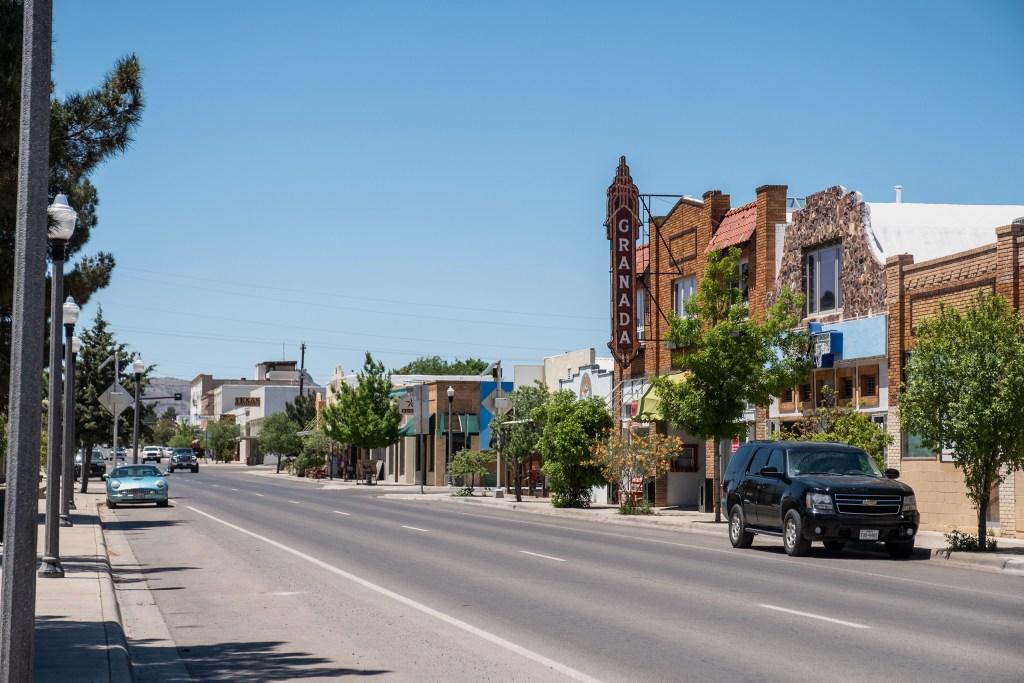
City representatives affected by the attorney general’s tax freeze emphasized that many small towns face unique challenges that hinder their ability to meet audit deadlines. Like Howe, some cities have experienced management turnover and difficulties attracting qualified finance professionals. In Alpine, a West Texas town about 25 miles east of Marfa, City Manager Henry Arredondo took over when the town was two years behind on its audits, a situation exacerbated by the departure of the previous city manager, who was also the finance director.
Arredondo previously encountered similar challenges in Dilley, where the city struggled for four years to fill a finance director position. He noted the lack of depth in knowledge within smaller municipalities, stating, “You have the finance director, you have the city administrator or the city manager, and when those two positions turn over, then the next level people are clerks.”
Manvel has historically been punctual with its audits, Davis explained. However, this year, officials discovered that previous audits had not accounted for new infrastructure due to the city’s growth, which delayed the current audit. Davis anticipates that the Manvel City Council will approve the new audit this summer, after which they hope to appeal to the attorney general’s office for reconsideration.
However, Nichols indicated that appeals are not permitted under the current law. The attorney general’s office did not respond to requests for comment.
Some cities found themselves on the attorney general’s list for varying reasons. In Cuero, a town with a population of about 8,300 located approximately 90 miles southeast of San Antonio, City Manager Wayne Berger reported that the audit was completed just days after the late March deadline that triggered the freeze. Similarly, Port Lavaca completed its audit on time but was still listed due to a miscommunication with the attorney general’s office. City Manager Joanna Weaver stated that Port Lavaca intends to appeal the decision.
Nichols acknowledged that initial law implementations can lead to confusion but emphasized the necessity of enforcing regulations without accommodating every unique circumstance, warning that such exceptions could undermine the law’s effectiveness. “We’re not making them do an audit that they’re not already required to do,” he said. “We’re just trying to say, ‘hey, you need some kind of a nudge to get your business straight and to get the audit done.’”
Mayor Davis views the law as part of a broader trend of state legislators targeting local governments. “There should be consequences, there should be ramifications, but the way that I parent my kids is through discussion and dialogue,” he stated. “We don’t just come down and constantly punish them, because that creates resentment, that creates distrust. And unfortunately, that’s what we continue to see from the state.”