








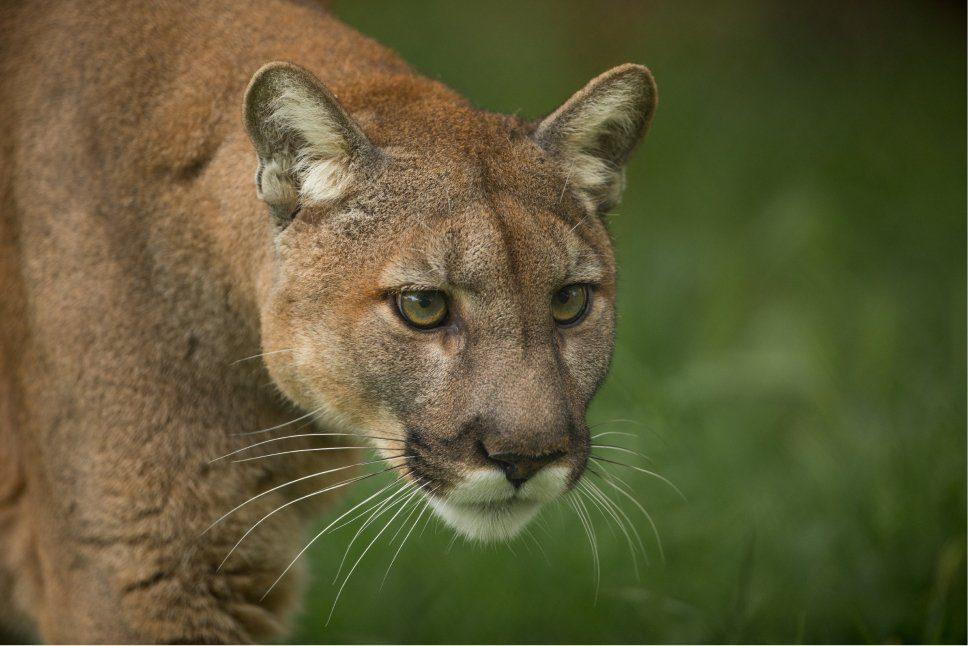
Texas Wildlife Conservation Efforts: A Multifaceted Approach
Texas, the second-largest state in the U.S., is not only known for its vast landscapes and rich history but also for its diverse wildlife and ecosystems. As the economic and demographic growth of the state surges, the pressure on its natural habitats escalates, making conservation efforts more vital than ever before. Various organizations, governmental bodies, and dedicated individuals are working tirelessly to protect Texas’s unique wildlife. These efforts encompass habitat restoration, species recovery programs, education initiatives, and community engagement, demonstrating a comprehensive approach to conservation.
The state’s unique ecological tapestry is woven together by its various environments, which range from arid deserts to lush forests and sprawling wetlands. Each of these environments hosts distinctive species that play essential roles within their ecosystems. However, many of these species are facing increasing threats from urban development, agricultural practices, climate change, and pollution. Thus, proactive conservation efforts are imperative for preserving not only the wildlife but also the natural heritage of Texas for future generations.
The Importance of Biodiversity in Texas
Biodiversity is crucial for maintaining the balance of ecosystems, and Texas’s rich biological diversity contributes significantly to this balance. The state is home to over 1,000 species of vertebrates, including mammals, birds, reptiles, and amphibians, along with thousands of invertebrates and a remarkable range of plant species. This array of life provides various ecosystem services, such as pollination, nutrient cycling, and water purification, which are essential for human survival.
Among the notable species found in Texas are the endangered Texas horned lizard, the whooping crane, and the Mexican free-tailed bat. These species not only embody the ecological richness of the state but also serve as indicators of environmental health. The decline in their populations could signify broader ecological issues, prompting urgent conservation actions. In response, several organizations, including the Texas Parks and Wildlife Department (TPWD) and the Nature Conservancy, have launched initiatives aimed at protecting these vulnerable species.
Moreover, the loss of biodiversity can have far-reaching implications, not just for the environment but also for the economy and human well-being. The unique flora and fauna of Texas contribute significantly to sectors such as tourism, agriculture, and recreation. Protecting biodiversity thus becomes not just an environmental necessity but also an economic imperative that benefits local communities.
Key Conservation Initiatives in Texas
Habitat Restoration Projects
One of the most effective ways to conserve wildlife is through habitat restoration. Texas leads several projects aimed at restoring degraded ecosystems, which often serve as crucial habitats for wildlife. Efforts include reforestation in areas impacted by logging and agricultural runoff, wetland restoration to improve water quality and increase biodiversity, and the removal of invasive species that threaten native flora and fauna.
For instance, the Coastal Prairie Project involves restoring prairie habitats along the Gulf Coast, which are vital for many bird species and other wildlife. These areas, once teeming with life, have been fragmented due to urban development and agriculture. By re-establishing native grasslands, conservationists are not only helping wildlife but also enhancing regional resilience to climate change impacts.
Furthermore, the Ecological Site Inventory (ESI) program initiated by the TPWD focuses on assessing the health of various ecosystems across Texas. Through this assessment, restoration efforts can be tailored to the specific needs of habitats and species, ensuring a more targeted and effective approach to conservation. This evidence-based strategy minimizes resource waste and maximizes ecological benefits.
Species Recovery Programs
Texas is home to numerous species that are either endangered or threatened, prompting the development of comprehensive recovery programs to ensure their survival. These programs often include breeding initiatives, habitat protection, and public education campaigns aimed at raising awareness about the importance of these species.
The Texas Whooping Crane Recovery Program, for example, represents a collaborative effort between TPWD, federal agencies, and non-profit organizations. The program focuses on establishing a sustainable population of whooping cranes by protecting their natural habitats, enhancing breeding success, and securing migration routes. Since the inception of this initiative, the whooping crane population has experienced a significant rebound, highlighting the success of well-implemented conservation strategies.
Similarly, the Texas Horned Lizard Conservation Strategy has gained momentum, aiming to address the decline of this iconic species. This initiative includes habitat restoration, research on population dynamics, and community involvement to help preserve the lizard’s preferred habitats. Engaging local communities in conservation efforts is crucial, as it fosters a sense of stewardship and responsibility among residents, ensuring that wildlife conservation is a collective endeavor.
Education and Community Engagement
The significance of education in wildlife conservation cannot be overstated. Engaging the community in conservation efforts through educational programs can inspire a new generation of conservationists and promote sustainable practices. In Texas, various organizations and educational institutions are actively contributing to this cause.
Schools and environmental organizations collaborate to create programs that enhance students’ understanding of local ecosystems, wildlife behavior, and conservation challenges. For instance, the TPWD runs educational initiatives like the Texas State Wildlife Education Program, which provides resources and workshops for teachers and students. By integrating wildlife conservation education into school curricula, educators can foster a sense of connection between students and their natural environment.
Moreover, community events such as bioblitzes—where residents gather to document local species—play an essential role in raising awareness. These participatory events not only educate participants about the local ecosystem but also gather valuable data for conservation efforts. By involving the community in hands-on activities, residents learn to appreciate and care for their environment, leading to more robust support for conservation initiatives.
Challenges Facing Conservation Efforts
Despite the progress made, Texas conservationists face numerous challenges that threaten the effectiveness of their efforts. One of the most pressing issues is the rapid urbanization and industrial development that encroaches upon natural habitats. As cities expand, the land available for wildlife diminishes, leading to habitat fragmentation and increased human-wildlife conflicts.
Another significant challenge is climate change, which exacerbates existing environmental issues such as droughts, wildfires, and shifting weather patterns. These changes can adversely affect wildlife populations and their habitats, making it increasingly difficult to implement effective conservation strategies. For instance, the changing climate affects migratory patterns, breeding seasons, and food availability for various species.
Furthermore, funding remains a critical issue for many conservation organizations. While some efforts are backed by government funding, many non-profits rely heavily on donations and grants to support their initiatives. With fluctuating economic conditions, securing reliable funding can become a daunting task, hindering the ability to maintain ongoing projects and pursue new opportunities.
The Path Forward: Collaboration and Innovation
Addressing the challenges facing Texas wildlife requires innovative thinking and collaborative efforts among various stakeholders. Public-private partnerships, community engagement, and interdisciplinary approaches are essential for developing effective conservation strategies that consider both ecological and social dynamics.
One promising avenue for enhancing conservation efforts involves integrating technology and scientific research into wildlife management practices. Innovations such as remote sensing and genetic monitoring can provide valuable insights into wildlife populations and their habitats, allowing for more informed decision-making. Additionally, using data analytics to track trends in wildlife behavior and habitat use can help identify critical areas for conservation intervention.
Moreover, collaboration between governmental agencies, non-profit organizations, and academic institutions must be strengthened. By pooling resources and expertise, these groups can develop innovative solutions to complex conservation challenges. Initiatives like the Texas Conservation Partnership aim to foster collaborative efforts among diverse stakeholders, ensuring a united front in the mission of wildlife conservation.
Conclusion: A Call to Action for Texas Wildlife
As the landscape of Texas continues to evolve, the need for wildlife conservation becomes increasingly urgent. The richness of the state’s ecosystems and its unique species are threatened by human actions, climate change, and habitat destruction. However, through the dedicated efforts of conservation organizations, communities, and individuals, there is hope for the future of Texas wildlife.
Continued investment in habitat restoration, species recovery programs, and education initiatives will be critical in preserving the natural heritage of Texas. Active participation from local communities, coupled with innovative solutions and collaborative strategies, can create a sustainable path forward for wildlife conservation. The time to act is now—every Texan has a role to play in safeguarding the diverse life that calls Texas home, ensuring that future generations inherit a state rich in wildlife and natural beauty.