






The Evolution of Houston’s Neighborhoods
Houston, Texas, known for its sprawling landscapes and rich cultural tapestry, boasts a unique blend of urban and suburban environments that have evolved significantly over time. From its humble beginnings as a trading post in the early 19th century to its rise as one of the largest cities in the United States, the city’s neighborhoods narrate a complex story of transformation and development. Each area reflects the changing demographics, economic forces, and cultural shifts that have shaped the lives of its residents.
The neighborhoods of Houston are as diverse as its populace. Areas once considered undesirable have become hotbeds of cultural innovation and gentrification. Meanwhile, others that flourished in their prime have faced decline and disinvestment. This dynamic evolution of Houston’s neighborhoods invites a deep exploration into the historical, social, and economic factors that have influenced their development.
Historical Origins: From Settlement to City
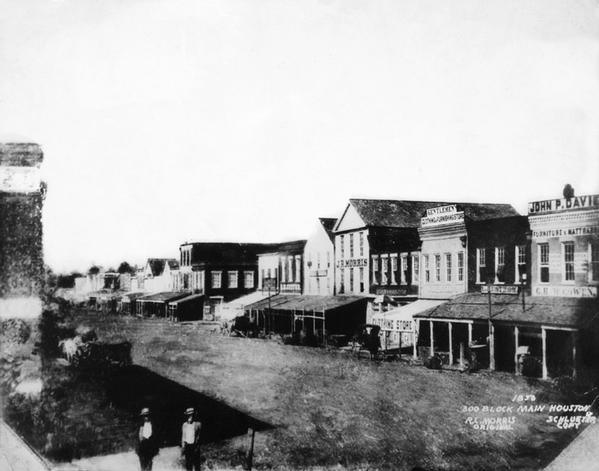
Houston’s roots trace back to its founding in 1836 by brothers John and Augustus Allen, who envisioned a bustling city along the banks of Buffalo Bayou. The city quickly grew due to its strategic location, attracting settlers, merchants, and entrepreneurs. As Houston expanded, various neighborhoods began to take shape, each defined by distinct cultural and economic identities.
Notably, the Fourth Ward, originally a vibrant area populated by freed African Americans, became the heart of Houston’s African American culture in the late 19th century. Amidst the challenges of segregation and discrimination, this neighborhood produced notable figures such as renowned jazz musician Scott Joplin and literary giant Langston Hughes. The architectural landscape of the Fourth Ward, featuring historic homes and churches, stands as a testament to its rich heritage and resilience.
During the 20th century, the discovery of oil transformed Houston’s economy, leading to an influx of new residents and businesses. This economic boom fueled rapid urban expansion, resulting in the establishment of neighborhoods like West University Place and the Heights. These areas attracted affluent families and professionals, characterized by tree-lined streets, charming boutiques, and cultural institutions, shaping a contrasting narrative to the historically Black neighborhoods facing socio-economic challenges.
Post-War Urbanization and Suburban Expansion
The post-World War II era marked a pivotal period in Houston’s development, characterized by significant suburbanization. As soldiers returned home and the economy thrived, many families sought larger homes and green spaces outside the urban core. Neighborhoods such as Bellaire and Kingwood emerged, offering the allure of suburban living while maintaining proximity to downtown Houston. This exodus prompted a profound shift in the city’s demographics and infrastructure.
However, with the allure of suburban living came a series of challenges. The influx of residents led to increased traffic congestion, environmental concerns, and a strain on public services. Neighborhoods in the inner city, meanwhile, began to experience disinvestment, with many residents seeking more desirable living conditions in the suburbs. This divided the city along socio-economic lines, paving the way for a complex relationship between older and newer neighborhoods.
As the suburbs flourished, city planners and policymakers faced the pressing need for revitalization in struggling neighborhoods. Efforts emerged to address urban decay through community redevelopment programs, aimed at reinvigorating areas such as East End and Midtown. These initiatives focused on improving infrastructure, enhancing public spaces, and fostering community engagement, laying the groundwork for a renewed sense of identity and pride among residents.
Gentrification and the Fight for Identity
The turn of the century brought about a wave of gentrification that significantly impacted many historic neighborhoods in Houston. As developers sought to capitalize on the charm and central location of areas like Montrose and the Heights, rising property values forced many longtime residents to confront the reality of displacement. Gentrification, driven by economic growth and increased demand for urban living, has sparked a heated debate about cultural preservation and community identity.
Montrose, once known for its affordability and vibrant LGBTQ+ community, has witnessed an influx of new residents drawn by its eclectic mix of art, nightlife, and dining options. While this transformation has injected vitality and investment into the neighborhood, it has also raised concerns about the loss of its unique character. Local activists and community leaders are working tirelessly to advocate for affordable housing initiatives and protect the heritage of neighborhoods undergoing rapid change.
Furthermore, cultural institutions in gentrifying neighborhoods are navigating the complexities of branding and identity. As new businesses move in, established community organizations often face pressure to adapt to the changing landscape. The **cultural fabric** of neighborhoods is at stake, with longstanding residents advocating for inclusivity and representation in the face of commercial pressures. Community-driven efforts to preserve local art, music, and traditions are vital in maintaining the enriching diversity that defines Houston’s neighborhoods.
Resilience in the Face of Adversity
Houston’s neighborhoods have proven remarkably resilient in the face of challenges such as economic downturns, natural disasters, and social injustices. The city’s geographical location, prone to hurricanes and flooding, has prompted communities to band together to support one another during times of crisis. The devastation caused by Hurricane Harvey in 2017 highlighted both the vulnerabilities and the strengths of Houston’s neighborhoods as residents united for recovery and rebuilding efforts.
Community organizations mobilized to provide immediate assistance, while grassroots initiatives emerged to address long-term recovery needs. The outpouring of support from diverse neighborhoods showcased Houston’s strong community spirit and commitment to resilience. Organizations like the Greater Houston Community Foundation played a pivotal role in facilitating recovery efforts, ensuring that the voices of marginalized communities were heard in the decision-making processes.
Additionally, local governments and nonprofits have prioritized cultivating affordable housing and sustainable urban developments. Innovative projects aim to balance the effects of gentrification while providing inclusive spaces for residents of all backgrounds. The ongoing discourse around *equity* in urban planning reflects a growing awareness of the need to create neighborhoods that are equitable and inclusive, fostering a sense of belonging for all Houstonians.
The Future of Houston’s Neighborhoods
The evolution of Houston’s neighborhoods is far from over. As the city continues to grow and attract new residents from around the globe, ongoing challenges and opportunities await. The intersections of race, class, and culture will play a crucial role in shaping the future landscape of Houston. To navigate these complexities, community engagement, advocacy, and collaboration between public and private sectors will be essential.
Looking ahead, there’s a need for strategic planning that prioritizes both development and preservation. This includes implementing policies that support affordable housing, promote local businesses, and invest in public amenities. As Houston’s neighborhoods evolve, they must remain spaces where diverse identities are celebrated, fostering a sense of community amidst rapid change.
Additionally, with the rising trend of remote work, the importance of local amenities and quality of life has become paramount for many residents. **Neighborhoods that proactively adapt** to these shifts by enhancing public spaces, improving transportation options, and fostering community engagement will define the future of Houston as a vibrant, inclusive metropolis.
A Tapestry of Diversity and Change
Houston’s neighborhoods are a living tapestry of diversity, resilience, and innovation. Each area tells a story of hardship, growth, and transformation, grounded in the experiences of its residents. The complex interplay of history, culture, and socio-economic forces has shaped the city into a melting pot, where tradition coexists with modernity.
As Houston moves forward, the lessons learned from its past will guide efforts to create inclusive urban spaces that honor the rich heritage of its neighborhoods. By fostering dialogue and understanding among residents, advocacy groups, and policymakers, the city can harness its collective strength to build a future where all neighborhoods thrive, ensuring that Houston remains a vibrant and welcoming home for generations to come.
The evolution of Houston’s neighborhoods is not merely a reflection of urban development but a testament to the resilience and adaptability of its residents. As the city continues to redefine its identity in a rapidly changing world, the heart of Houston will always be found in its neighborhoods—ever-changing yet steadfast in their commitment to community and connection.