








The Houston Skyline: Past and Present
For many, the Houston skyline is more than just a collection of towering structures; it is a reflection of the city’s rich history, rapid growth, and ambitious future. Over the decades, the skyline has evolved from humble beginnings to an iconic representation of both Houston’s economic prowess and its cultural significance. Today, the skyline is a mixture of architectural styles, each telling a story of the city’s development and aspirations. Understanding the evolution of the Houston skyline offers insight not just into the city’s architectural trends but into the very spirit of Houston itself.
Beginning as a small trade center in the early 19th century, Houston has transformed into the fourth largest city in the United States. The skyline serves as a canvas where the narratives of economic booms, urban planning strategies, and cultural shifts come together. This article will explore the fascinating evolution of Houston’s skyline, consider the architectural significance of its most famous buildings, and look ahead to what the future holds for this dynamic city.
Historical Context: The Birth of a Skyline
The origins of Houston’s skyline can be traced back to the late 19th century when oil was discovered in Texas. This pivotal moment marked the beginning of rapid economic expansion, leading to an influx of both residents and businesses. Houston’s first skyscrapers began popping up during this period, transforming the once modest city into a bustling urban center. Early structure, such as the 1910 Esperson Building, introduced Houston to the art of vertical construction, although the overall skyline remained relatively low-rise in comparison to today’s standards.
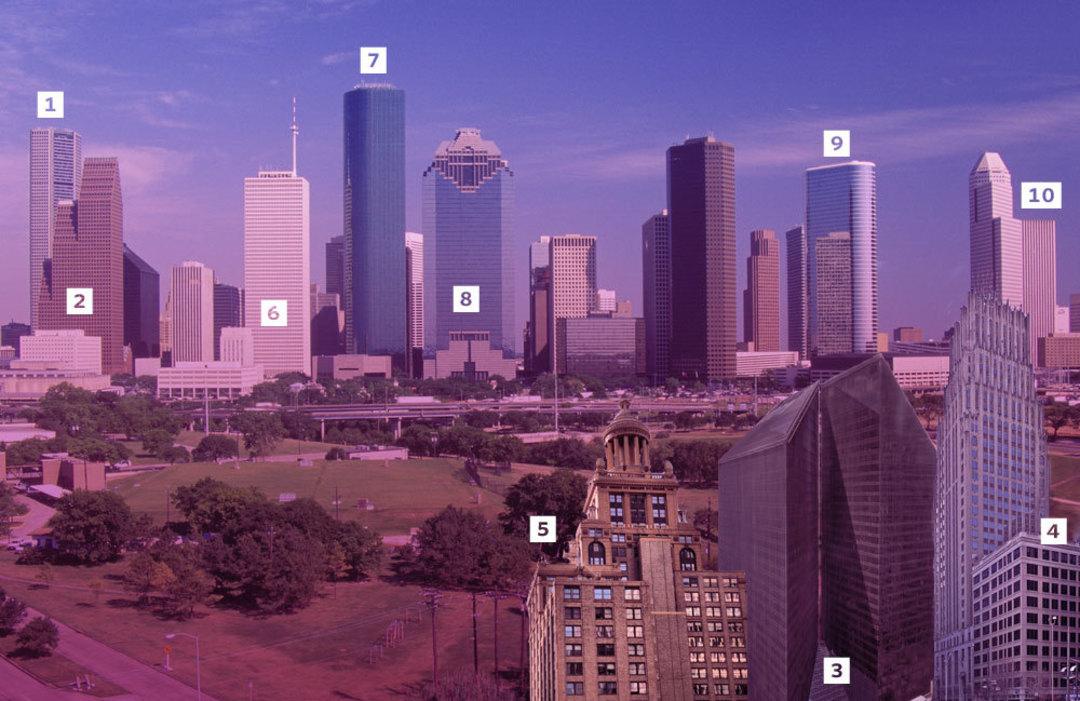
During the 1970s, Houston experienced a major construction boom driven by the oil industry. The city saw the rise of notable skyscrapers like the iconic Williams Tower, which was completed in 1983. This building, towering at 64 stories, became a symbol of Houston’s growing status as a business hub. The economic prosperity of the 1970s and 1980s heralded a new era of architectural ambition as the skyline began to take its modern shape. This progression was not merely a reflection of economic conditions but also an assertion of Houston’s identity in the national landscape.
In addition to the economic forces shaping the skyline, historical events like the oil bust in the late 1980s affected the architectural landscape as well. Following the economic downturn, many construction projects halted, causing the skyline to evolve at a slower pace. Despite these challenges, the resilience of Houston’s residents shone through, as the skyline continued to develop in the 1990s and early 2000s, featuring a blend of both modern and post-modern architectural influences.
The Architectural Jewel: Notable Structures
The Williams Tower
The Williams Tower stands as an enduring icon within the Houston skyline. Once known as the Transco Tower, it was designed by the renowned architect César Pelli and finished in 1983. Its distinctive height and elegant design make it one of the most recognizable skyscrapers in the city, drawing both admiration and inspiration from architectural enthusiasts worldwide. The building’s stunning reflective glass façade mirrors the sky, illustrating Houston’s natural beauty while also linking it to its historical context as a leading business center. Furthermore, its strategic footprint demonstrates effective utilization of urban space, paving the way for future developments.
What truly sets Williams Tower apart is its observation deck, an often-overlooked feature that provides a panoramic view of the sprawling metropolis below. This accessibility to the general public makes it a perfect example of how architecture can successfully bridge gaps between physical structure and community engagement. Williams Tower is more than a workplace; it symbolizes the very essence of Houston’s entrepreneurial spirit.
The Chase Tower
Another key player in the Houston skyline is the Chase Tower, completed in 1982. The design of Chase Tower incorporates a unique feature: its vaulted top which creates an instantly recognizable silhouette against the sky. As the tallest building in Houston for several years, it served as a beacon for growth and ambition, attracting both business and attention. The skyscraper’s innovative design stands as a testament to what can be achieved when architects push the boundaries of creativity.
Chase Tower not only serves as a business hub but also integrates several public spaces and architectural features that enrich the urban landscape surrounding it. The building’s dedication to public art and its connection to green spaces have made it a celebrated piece of the Houston skyline, emphasizing that modern architecture must include accessibility and aesthetics that serve residents and visitors alike.
The BBVA Compass Plaza
Among the newer additions to the skyline is the BBVA Compass Plaza, completed in 2014. It is characterized by its sleek, modern design which incorporates sustainable features and innovative building practices. As corporations and cities increasingly face pressure to embrace environmentally friendly construction methods, the BBVA Compass Plaza stands out as an example of how traditional architecture can blend harmoniously with modern sustainability goals.
This structural evolution points to a wider trend in Houston’s architectural landscape, where contemporary buildings prioritize environmental considerations without sacrificing aesthetic appeal. The plaza represents a shift in the skyline not just for its height or size, but for what it signifies in the broader dialogue around urban planning and societal responsibility.
Economic Impacts on the Skyline’s Evolution
The economic drivers behind Houston’s skyline expansion have been multifaceted, shaped by global market fluctuations, local indices, and the cultural proclivities of its residents. The oil boom of the late 20th century is often credited as the catalyst for Houston’s rapid vertical growth, resulting in a burst of skyscraper construction that still defines the skyline today. As the energy sector thrived, a flurry of businesses set up shop, leading to a demand for modern office space that could accommodate increasing workforce size.
However, the economic history is not just one of consistent growth. The oil bust of the 1980s forced many buildings to sit vacant, leaving an indelible mark on the skyline and the city’s economic identity. As a response, Houston diversified its economic portfolio, attracting industries ranging from healthcare to technology, slowly evolving the skyline along with it. This diversification has contributed to a more resilient Houston economy that can withstand crises better than in the past and has sent ripples through the architectural landscape, encouraging unique designs that serve newer sectors.
Given today’s trends toward remote work and digital commerce, many businesses are rethinking their need for traditional office space, which presents both challenges and opportunities. As companies adapt to new ways of working, the skyline may see a shift in how buildings are utilized. Innovative refurbishments of existing structures may take precedence over new builds, thus shaping the skyline further and offering a chance to marry history with modern needs.
A Glimpse into the Future: Challenges and Opportunities
As urbanization continues to shape metropolitan areas globally, Houston faces distinct challenges and opportunities that will influence the ongoing evolution of its skyline. One of the pressing concerns is how new construction will adapt to sustainable practices, particularly in the face of climate change. With extreme weather events becoming increasingly common, architects and city planners are prioritizing eco-friendly designs and resiliency-focused building strategies.
Moreover, the density of the urban landscape necessitates innovative approaches to zoning and space management, leading to discussions about vertical development versus horizontal sprawl. This dialogue encourages architects to consider the relationship between buildings and their surrounding communities, focusing on creating spaces that foster connection and accessibility.
Technological advancements also promise to play a role in the skyline’s evolution. Smart building technologies, 3D-printing capabilities, and modular design could redefine construction methods, offering opportunities for faster, cheaper, and more efficient building practices. The integration of new materials and smart technologies into the architectural fabric will likely transform the Houston skyline, making it an example of contemporary urbanism paired with futuristic thinking.
As the sun sets over Houston, its skyline reflects a legacy of ambition and adaptation. Each building is not just a structure but a storyteller within the larger narrative of a flourishing city. Looking ahead, the Houston skyline will continue to grow, embodying the values of its past while reaching towards an exciting and unknown future.