







The Story of Houston’s Diverse Cultures
Houston stands as a vibrant tapestry woven from the threads of multiple cultures, each contributing unique colors and patterns to the city’s identity. As the fourth-largest city in the United States, it has become a melting pot where diverse ethnic communities coexist, share traditions, and shape the evolving narrative of their shared urban landscape. This article delves into the rich array of cultures that define Houston, highlighting the contributions of various communities, the challenges they face, and the cultural exchanges that enhance the city’s vibrancy.
From its historical roots to its modern-day attraction as an international hub, Houston embodies the quintessential American experience of diversity. The city’s role as a vital immigration center has fostered a dynamic environment where languages, flavors, and customs mingle. Through exploring the cultural enclaves and institutions that dot its landscape, we uncover how the city celebrates its multicultural spirit while grappling with the realities of social stratification and integration.
A Historical Perspective: Houston’s Path to Cultural Diversity
Founded in 1836, Houston’s early settlers predominantly came from Anglo-American backgrounds. However, waves of immigration soon transformed the city into a heterogeneous society. The discovery of oil in the early 20th century spurred economic growth and attracted many workers from different cultural backgrounds. This period saw significant migration from Europe, particularly from Germany and Italy, who brought their traditions and customs.The influx of these European immigrants laid the groundwork for a diverse cultural landscape that would only expand in the years to come.
By the mid-20th century, Houston began to see an influx of populations from Latin America, particularly Mexico. This exchange added another layer to the city’s cultural identity, leading to the establishment of numerous Hispanic businesses, community organizations, and cultural celebrations. Today, Houston boasts one of the country’s largest Hispanic populations, with locations like the historic Hispanic cultural district serving as a hub for community activities, festivals, and culinary delights.
The last few decades have witnessed an influx of immigrants from Asia, the Middle East, and Africa, further diversifying the cultural mosaic. Communities from Vietnam, India, Nigeria, and many other countries have created vibrant enclaves throughout the city. Houston’s Asiatown and Little India are examples of how industries, spirituality, and social networks flourish within these immigrant-rich communities, blending traditional customs with contemporary practices.
Key Communities Shaping Houston’s Identity
The foundation of Houston’s cultural richness is anchored in its major immigrant communities, each contributing a distinct flavor to the city’s identity. The most prominent include the Hispanic, African American, Asian, and Middle Eastern populations. Understanding these communities provides insight into Houston’s dynamic nature.
The Hispanic Community
The Hispanic community constitutes over 45% of Houston’s population, enriching the city with their vibrant culture. Institutions such as the Hispanic Chamber of Commerce promote economic development and advocacy for Hispanic-owned businesses. Annual events like the Houston Fiesta and Dia de los Muertos celebrations showcase Mexican heritage, uniting communities in celebration and remembrance.
Food culture is an essential aspect of the Hispanic influence. Traditional dishes such as tacos, tamales, and enchiladas are staples found throughout the city. Restaurants like Rosita’s and El Tiempo Cantina serve as landmarks where locals and tourists alike gather to savor authentic cuisine. Moreover, Houston’s culinary scene increasingly embraces fusion, creating unique dishes that reflect the intermingling of cultures.
Additionally, education and advocacy initiatives play a significant role in preserving cultural heritage. Programs like LEER Houston focus on literacy among Hispanic communities and emphasize the importance of education as a pathway to success for future generations.
The African American Community
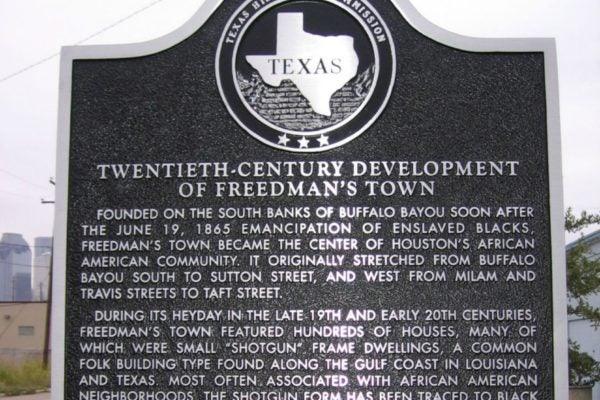
The African American community has significantly shaped Houston’s cultural and historical landscape. From jazz and blues music to visual arts and literature, contributions abound. Prestigious institutions like the Houston Museum of African American Culture serve as educational resources, enhancing appreciation for African American contributions throughout history.
Houston’s historical significance as a civil rights hub plays a pivotal role in understanding its African American community. Events such as the Emancipation Avenue Festival commemorate African American heritage and activism in Houston, attracting thousands to celebrate culture while reflecting on the past. Organizations like The Houston Black Heritage Society work tirelessly to preserve the legacy of African American contributions and promote social justice and equality.
Notably, the culinary scene features iconic restaurants such as the Turkey Leg Hut, blending traditional Southern cuisines with modern twists and further amplifying community influence. Culinary festivals often highlight the innovations coming from African American chefs, bridging tradition with contemporary flair.
The Asian Community
Houston’s Asian community is a mosaic of vibrant cultures, with significant populations from Vietnam, India, China, and the Philippines. These groups have not only enriched the city culturally but have also made notable economic contributions. Asiatown, a bustling area on the southwest side, offers a rich array of Asian markets, restaurants, and cultural institutions, exemplifying this community’s diverse backgrounds.
Festivals such as the Houston Dragon Boat Festival and the Houston Lunar New Year Festival invite all Houstonians to experience traditional dance, music, and culinary delights. These celebrations highlight the importance of preserving cultural heritage while fostering inclusivity within the broader community.
One cannot discuss the Asian community without mentioning the culinary explosion it has brought to Houston. Neighborhoods like Chinatown and Little India are thriving with restaurants serving authentic Asian dishes, offering Houstonians and visitors a taste of tradition blended with innovation. Businesses like Paratha Hut and Pho Binh reflect the fluid nature of cultural exchange while remaining rooted in their traditions.
The Middle Eastern Community
Houston’s Middle Eastern community, representing countries such as Iraq, Iran, and Syria, adds layers of historical richness and diversity. The community has preserved traditions through music, dance, and art, offering educational resources like the Arab American Cultural & Community Center to foster understanding and collaboration among different ethnicities.
Culinary traditions are integral to the community’s identity, characterized by offerings like kebabs, hummus, and mint tea, prominently featured in restaurants throughout the city. Establishments like Niko Niko’s provide a taste of authentic Middle Eastern cuisine, marking Houston as a culinary destination for food lovers.
Moreover, cultural institutions and businesses serve as gathering spaces for celebration and connection. Annual events such as the Houston Arab Festival encourage community engagement and welcome individuals from all backgrounds to explore Middle Eastern culture.
Challenges and Opportunities for Cultural Cohesion
The vibrant multicultural landscape of Houston comes with its challenges. While diversity is a strength, disparities in socioeconomic status, language barriers, and access to resources can hinder effective integration. Community organizations strive to bridge these gaps by providing educational resources, vocational training, and health services aimed at empowering immigrant populations.
Language barriers often pose a substantial challenge for newcomers in navigating daily life, from securing employment to accessing healthcare. Organizations like Literacy Advance of Houston offer classes aimed at helping individuals learn English and increase their employability. These programs are crucial in ensuring that non-English speakers can thrive in an ever-evolving job market.
Moreover, racial and socioeconomic inequalities remain pressing issues in many neighborhoods, creating a disparity in access to services and opportunities. Community leaders emphasize the importance of solidarity among diverse groups to address social justice, economy, and health disparities effectively. Events like town hall meetings and community forums foster open dialogue, breaking down barriers and creating platforms for underrepresented voices.
The Future of Houston’s Cultural Landscape
As Houston continues to grow, its cultural landscape is likely to evolve. The current wave of immigration promises to further diversify the city. Efforts to accommodate and celebrate this diversity can lead to greater cultural appreciation and collaboration. Educational institutions and local governments must prioritize inclusive policies by integrating multicultural curricula, promoting community engagement, and fostering dialogue.
Future generations will shape the city’s identity, where multiculturalism is not merely tolerated but embraced. Houston’s cultural institutions must innovate and adapt, ensuring all communities have a voice. Public spaces and parks are well-positioned to host events celebrating various cultural heritages, promoting understanding among different groups while strengthening community bonds.
Art, too, will play a crucial role in perpetuating cultural narratives. Local galleries and studios can amplify the voices of varied cultural artists through exhibitions, workshops, and collaborative projects, fostering dialogue around contemporary issues faced by these communities. Houston’s cultural landscape is not just a reflection of its past but a canvas for its future.
Building Bridges through Cultural Exchange
Ultimately, Houston’s diversity serves as a powerful reminder of the value of cultural exchange. By sharing traditions, culinary practices, and experiences, communities can foster understanding and empathy among populations. Initiatives that promote intercultural interactions, such as language exchange programs, cultural fairs, and collaborative art projects, help build bridges across community lines, enriching everyone involved.
As Houston continues to grow and evolve, championing its multicultural identity will be essential. The city’s future lies in the hands of those who can navigate their rich past while embracing new opportunities for collaboration. Whether through art, food, music, or enterprise, the way forward involves honoring all cultures and forging connections that honor the spirit of unity amidst diversity.
In celebrating Houston’s diverse cultures, we are reminded that it is not just a place, but a living testament to the beauty of human experience, resilience, and the bonds that unite us all.