





In a significant legal move, the Trump administration has appealed to the Supreme Court, seeking to lift a lower court’s ruling that has halted the construction of a border wall in the Big Bend region of Texas. This emergency appeal represents a critical moment for one of President Donald Trump’s key initiatives.
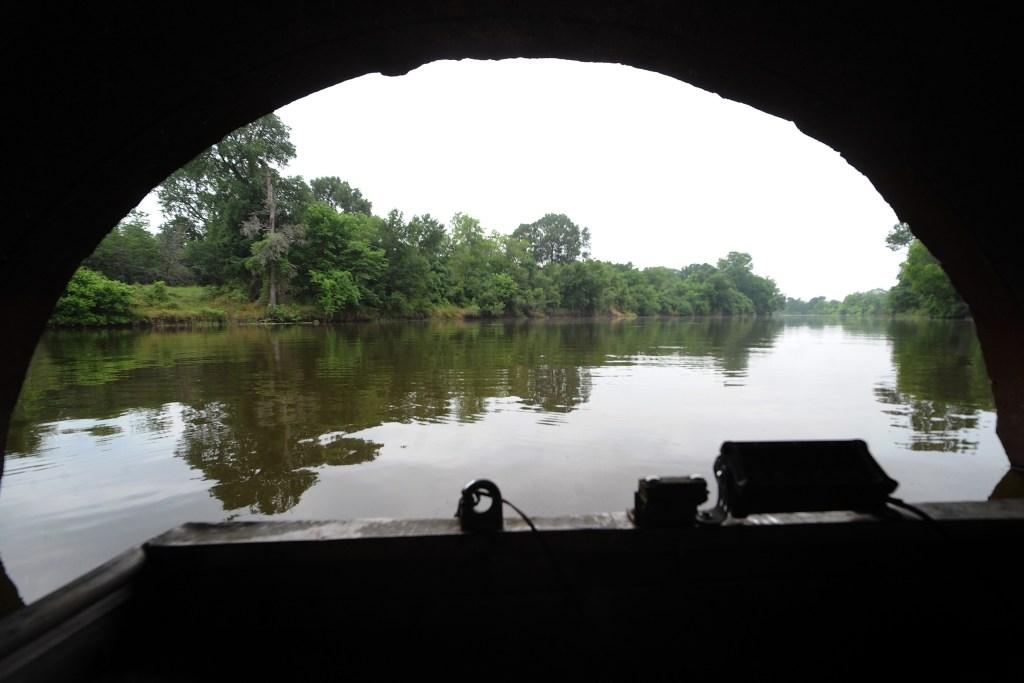
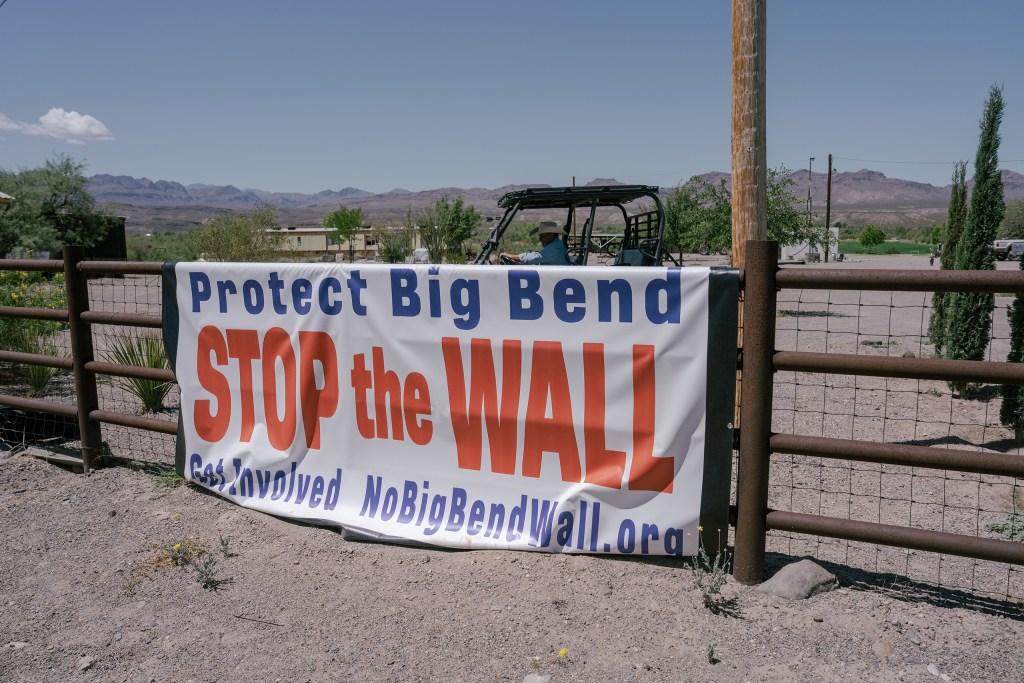
The government has been actively pursuing the construction of a border wall and related infrastructure stretching from the Pacific Ocean to the Gulf of Mexico. However, in the Big Bend area, it faces substantial resistance from local ranchers, residents, business owners, and environmental advocates. These groups argue that the wall is an unnecessary expenditure in a region that has historically experienced low levels of illegal immigration, and they express concerns about the potential damage to the area’s natural beauty.
Opponents have launched numerous lawsuits aimed at halting the project, which in the Big Bend includes a combination of walls, vehicle barriers, and surveillance systems. A pivotal ruling from Judge Kathleen Cardone on October 2 mandated a stop to construction across the approximately 500-mile area while the legal challenges proceed. This decision marked a significant triumph for the bipartisan coalition opposing the wall’s construction.
The case centers on broad waivers granted by the Secretary of Homeland Security, which permit U.S. Customs and Border Protection to circumvent environmental regulations that would typically delay such large-scale projects. The government contends that the Big Bend sector represents a zone of high illegal entry, asserting that legislation from 1996 bestows the Secretary with extensive powers necessary for establishing physical barriers and roads to deter illegal crossings.
However, critics argue that Congress intended these regulatory waivers for areas characterized by significant illegal entry, claiming that the remote and rugged Big Bend does not meet that criterion. Judge Cardone agreed with the opposition, stating, “The Court finds that Plaintiffs are likely to succeed on the merits of their major questions doctrine claim that the Big Bend Waivers were issued in excess of the Secretary’s authority.”
Trump has consistently pledged to erect a border wall along the nearly 2,000-mile length of the southwest border. Last summer, Republican lawmakers allocated $46 billion to the Department of Homeland Security to advance the construction, which plans to feature 30-foot-tall steel bollard walls, vehicle barriers, and surveillance technology.
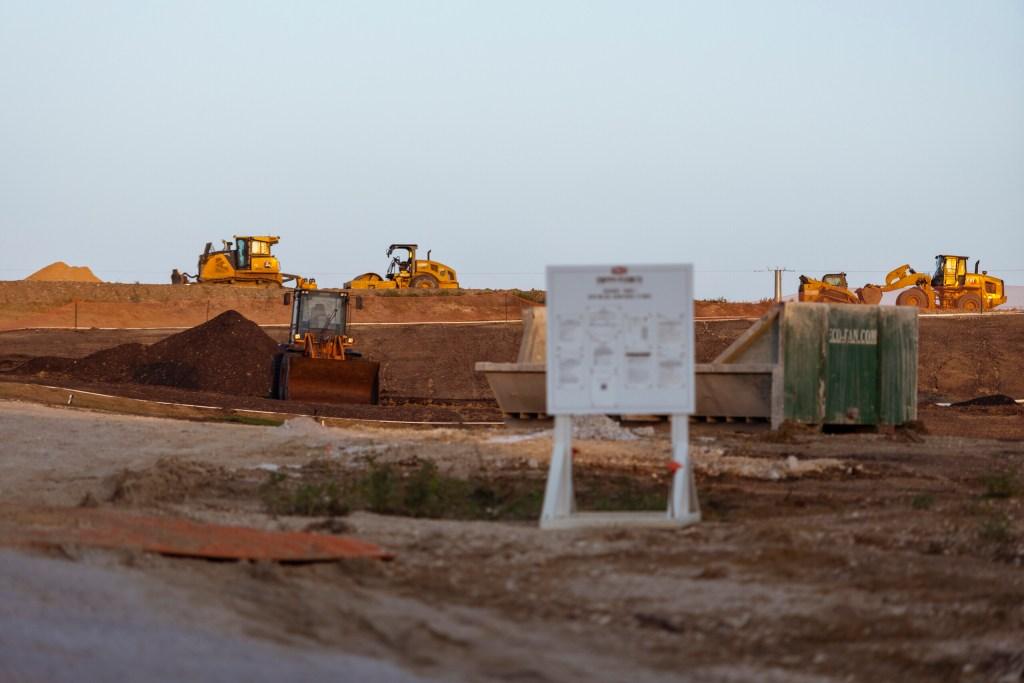
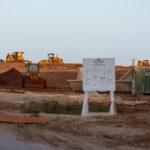
Opposition in Texas’s Big Bend region intensified in August when construction vehicles were observed clearing land within Big Bend National Park. The preliminary injunction issued by Judge Cardone halts construction activities both within the park and on adjacent lands owned by private landowners or the state.
The government argues that if the Big Bend area remains one of the few locations lacking border infrastructure, it could become a hotspot for illegal immigration. However, opponents counter that alternative solutions, such as drones or surveillance towers, could effectively address security concerns at a fraction of the cost of wall construction.