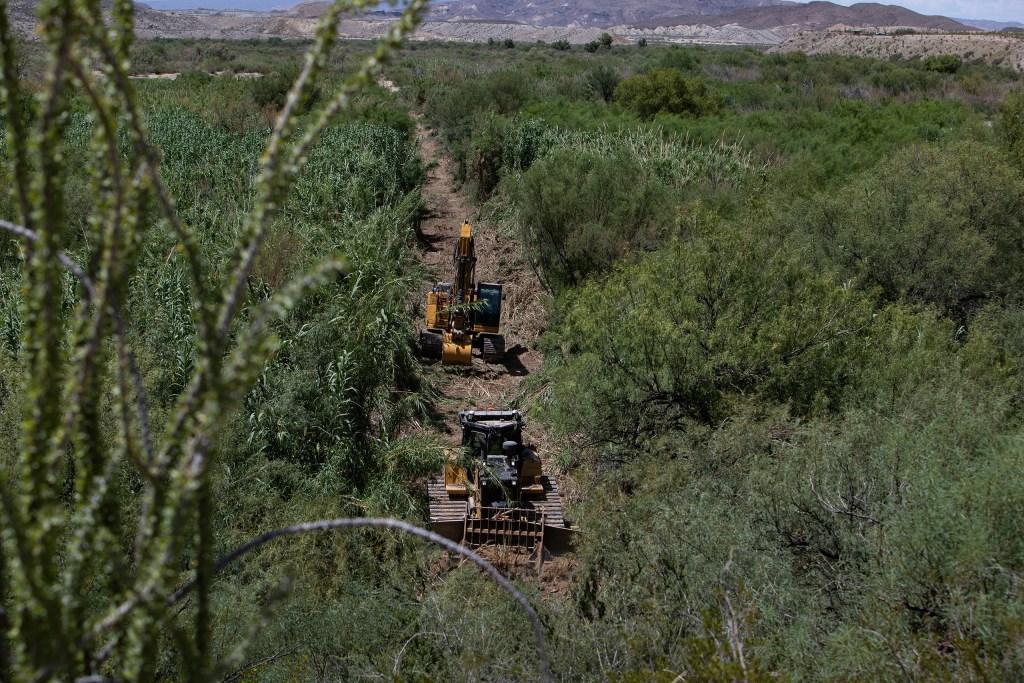





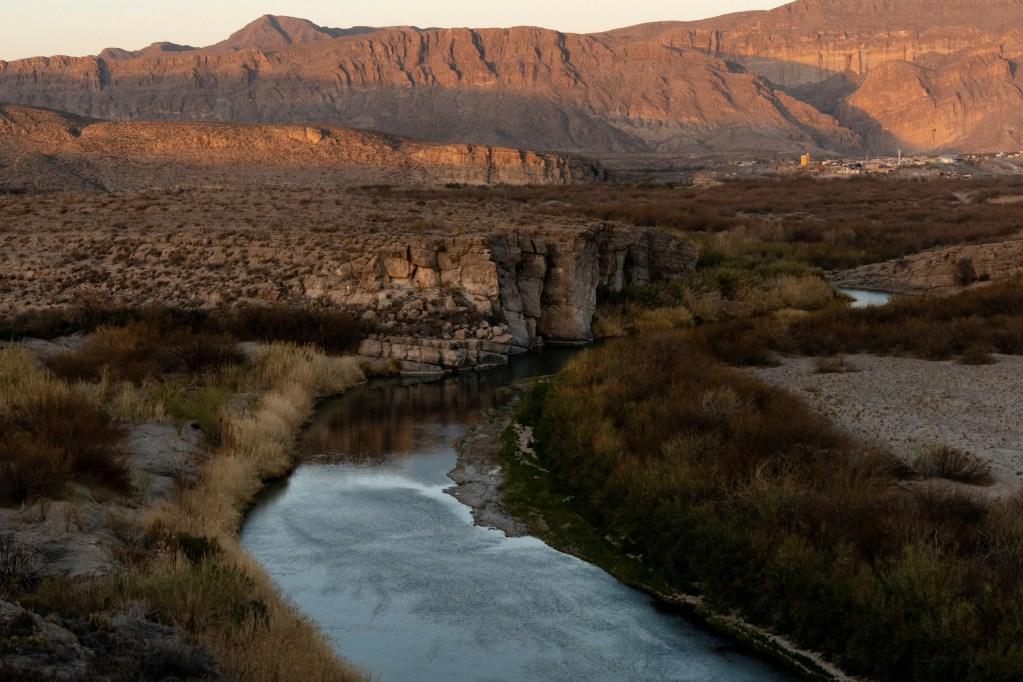
EL PASO — A coalition of advocacy organizations and a resident from West Texas initiated legal action on Thursday against the Trump administration, claiming it has unlawfully circumvented environmental regulations in its rush to construct a border barrier in the Big Bend region along the Rio Grande. They argue that this approach not only contravenes the law but also threatens to irrevocably damage significant segments of the Rio Grande corridor.
Professional river guide and Terlingua resident Danny William Miller, Jr., one of the plaintiffs, expressed deep concern: “After over two decades of guiding on the river, a border wall would signal the end of my career. Tourists do not come to Big Bend to see steel walls and razor wire. If this project goes ahead, they are not just altering the landscape; they are dismantling our way of life.”
The lawsuit was filed in the Western District of Texas in El Paso and includes the Friends of the Ruidosa Church, a local preservation group, alongside the Center for Biological Diversity, a national nonprofit. The coalition stated, “While we wholeheartedly support effective approaches to border safety, constructing a permanent wall in this distinctive landscape does not address local realities. The natural barriers provided by the rugged terrain, steep canyons, and the Rio Grande itself have served as effective deterrents for generations.”
The legal complaint contends that the Trump administration requires congressional authorization to advance its border barrier plans due to their significant economic and political implications. It argues that the administration’s decision to bypass Congress and waive environmental laws contradicts the “major questions doctrine,” which mandates that the executive branch seek legislative approval before undertaking substantial economic actions.
The U.S. Supreme Court has referenced this doctrine in its rulings regarding the Trump administration’s tariffs on imports and the Biden administration’s student loan forgiveness initiative.
In February, the Trump administration waived more than two dozen environmental regulations to facilitate the construction of a 150-mile barrier through West Texas, impacting areas including Big Bend National Park and adjacent state parks, characterized by their rugged landscapes and challenging canyons along the Rio Grande.
The Big Bend Sector of the Border Patrol, which spans 517 miles of the 1,950-mile U.S.-Mexico border, has historically been the least active of the nine sectors. In fiscal year 2025, Border Patrol recorded only 3,096 apprehensions in the Big Bend sector, representing a mere 1.3% of the total 237,538 apprehensions across the entire border.
This federal initiative has incited anger among local residents and garnered bipartisan opposition, including from local law enforcement officials who urge the federal government to consider their needs in the fight against illegal immigration.
In response to significant public backlash, the Trump administration has provided inconsistent messages regarding its intentions to erect a physical barrier in the region. As of April 16, a map on the U.S. Customs and Border Protection website no longer indicates plans for a border wall from Big Bend Ranch State Park, which lies west of the national park, to the Amistad National Recreation Area in Del Rio. Instead, the site suggests that the administration intends to implement “detection technology” in that area.
A spokesperson for the Border Patrol’s Big Bend Sector previously stated that there are “currently no plans for border wall construction” in the state park. However, emails obtained by a local radio station from Paul Enriquez, an infrastructure director for Border Patrol, indicate that the administration may still consider building barriers in the Big Bend area in the future.
Meanwhile, in Washington, D.C., lawmakers and advocates voiced their opposition to the Trump administration’s plans for border barriers throughout the Texas-Mexico border during a news conference on Thursday.
“One thing we can all agree on in Texas is our love for Big Bend. Who thought this was a good idea is beyond me,” remarked U.S. Representative Greg Casar, D-Austin. “Let’s just leave it be, or protect and cherish it, instead of trying to ruin something that has unanimous support across the political spectrum.”