






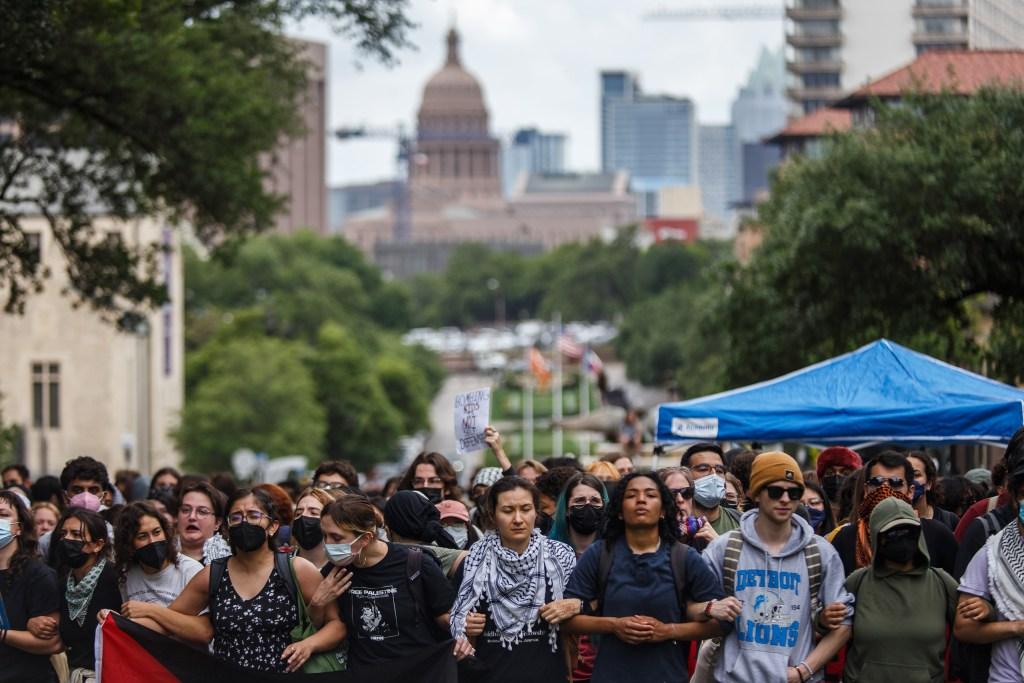
A Texas law limiting protests on public college campuses is set to undergo a constitutional examination on Tuesday.
Senate Bill 2972, known as the Campus Protection Act, was enacted following significant pro-Palestinian protests at universities across the state in 2024. The U.S. Court of Appeals for the 5th Circuit will determine if the law’s restrictions on nighttime protests and end-of-term activities infringe upon First Amendment rights, after a federal judge previously issued a temporary injunction against its enforcement.
Overview of Senate Bill 2972
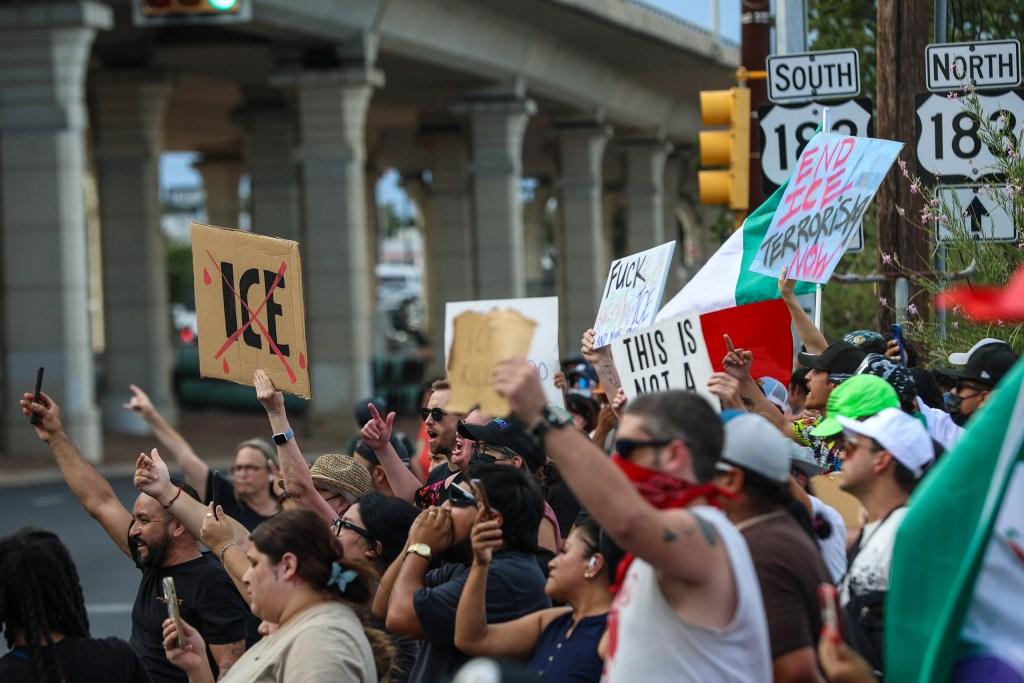
The legislation mandates that public colleges in Texas implement policies that prohibit expressive activities on campus from 10 p.m. to 8 a.m. Additionally, it restricts the use of amplified sound, drums, and other percussion instruments during the final two weeks of a semester. The law was a response to heightened demonstrations following a series of pro-Palestinian protests in 2024, which included a notable occupation at Columbia University.
The protests gained momentum after students at Columbia established a campsite in April 2024 and later occupied a university building. This led to a significant walkout at the University of Texas at Austin, where students urged the institution to divest from companies supplying arms to Israel. In response, then-President Jay Hartzell called in state troopers, expressing a desire to prevent the university from becoming “the next Columbia.” Senator Brandon Creighton, the bill’s author, supported this approach, asserting that the First Amendment does not protect acts of violence or harassment.
Legal Challenge to the Law
The law has been challenged by students and student organizations from UT-Austin and UT-Dallas, who argue that the restrictions are overly broad and could inhibit a variety of expressive activities unrelated to the protests that prompted the legislation. They contend that it could hinder student journalists from publishing late-night stories, prevent religious groups from quietly worshiping, or restrict music performances in designated areas.
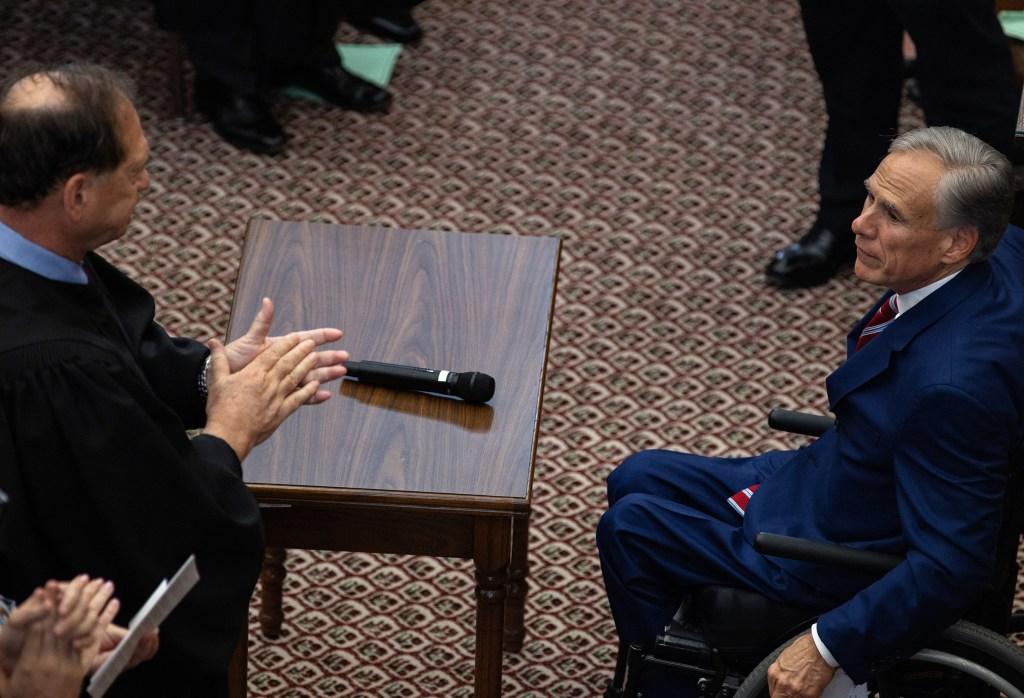
On October 14, 2025, U.S. District Judge David Alan Ezra sided with the students, temporarily blocking the enforcement of the contested provisions, citing the likelihood of success on First Amendment grounds and labeling the restrictions as unconstitutional. In response, the UT System officials have appealed this ruling to the 5th Circuit.
Arguments from Both Sides
Representatives for the UT System, including Texas Solicitor General William Peterson, argue that Judge Ezra’s interpretation of the law is overly strict. They claim the law does not outright prohibit student speech after 10 p.m. or during finals but directs colleges to establish policies that balance free speech with the need to maintain an environment conducive to studying and rest.
They highlight that the law explicitly states it does not infringe upon individuals’ First Amendment rights. Additionally, they assert that UT-Austin’s policy does not completely ban expression on campus overnight, as it applies only in specific common areas and limits sound that can be heard in dormitories during finals.
Conversely, the students’ legal team argues that the law imposes stringent requirements on colleges, compelling them to adopt the outlined restrictions and enforce disciplinary measures. They maintain that assurances of responsible enforcement cannot rectify the fundamental issues with the law.
The two parties also disagree on whether the law discriminates based on the content of speech. The students contend that it does, as it exempts commercial speech, while the UT officials assert that commercial speech is subject to separate regulations and that the law does not show bias against specific messages.