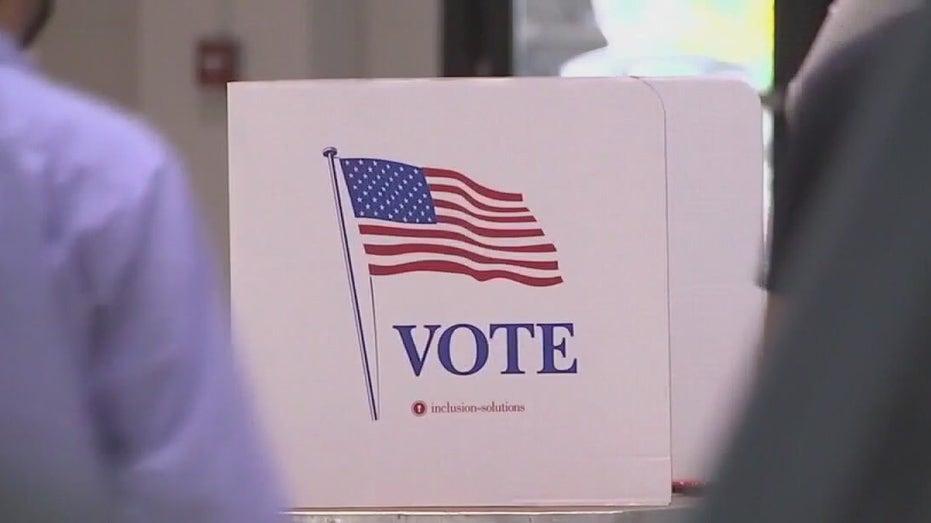








As the general election approaches on November 3, 2026, voters are looking toward pivotal races at the federal, state, and local levels. In Austin, City Council District 1 finds itself at the center of attention, with six candidates vying for the position previously held by Natasha Harper-Madison, who is term-limited.
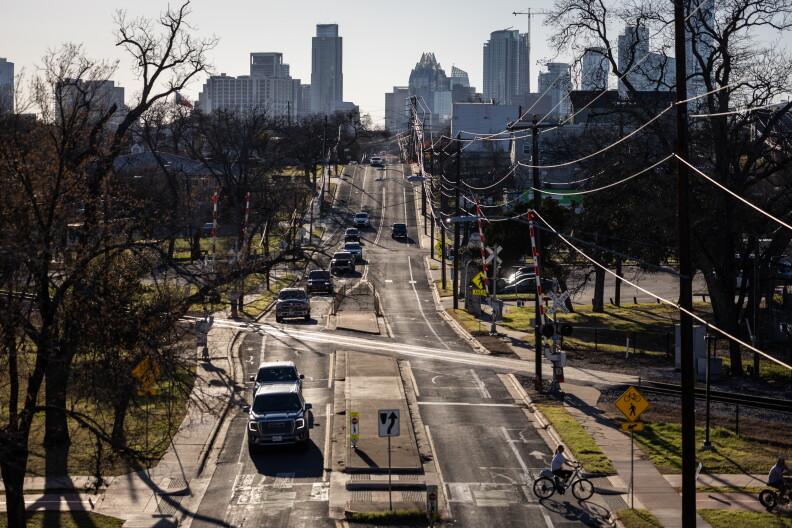
District 1 encompasses a diverse area of East Austin, characterized by historic neighborhoods facing gentrification, vibrant commercial hubs, and cultural institutions like the George Washington Carver Museum and Huston-Tillotson University. The district has a complex history, shaped significantly by past segregation policies that confined African Americans to parts of East Austin, leading to long-term disenfranchisement.
Today, District 1 remains home to a significant population of Black residents, although demographic changes over the last two decades have seen an influx of new residents driven by rising property values. Currently, the district’s demographics include approximately 40% Hispanic and Latino, 30% white, 20% Black, and 7% Asian residents.
Key issues facing District 1 mirror challenges in other gentrifying neighborhoods, including the displacement of long-time residents, rising living costs, public safety, public transport, and environmental concerns. The candidates have responded to these challenges with their platforms, aiming to address the needs of a diverse and changing electorate.
Candidates’ Responses to Key Issues
The candidates were asked six questions regarding their vision for the district. Below are some of their responses, edited for clarity and brevity.
Alexandria Anderson
Anderson, a former professional athlete and current community leader, emphasizes the need for infrastructure improvements in District 1. She believes foundational issues like sidewalks, drainage, and sewage systems are critical for future development.
She differentiates herself from other candidates through her extensive community leadership experience and her ability to connect with various stakeholders. On affordability, Anderson suggests reviewing neighborhood plans to ensure they meet current needs, noting that while affordable units have been built, many long-term residents are still being displaced.
Steven Brown
As a lifelong resident of East Austin and a newcomer to the political scene, Brown advocates for representation that fosters real conversations about affordability. He expresses concerns over the Project Connect transit expansion, suggesting that voters should have a say in its future direction, as he feels District 1 is not benefiting sufficiently from the current plans.
Amber Goodwin
Goodwin, a former assistant district attorney, takes a comprehensive approach to governance, advocating for a focus on public safety and affordable housing through community engagement and innovative solutions like homestead exemptions and land trusts. While she supports the Project Connect expansion, she remains opposed to Proposition I.
Michael Nahas
Nahas brings a background in finance and economics to his campaign, stressing the need for an expert in city management to address issues like the underfunding of the pension system. He believes increasing housing supply is essential for affordability and supports measures like smaller lot sizes to facilitate this.
Misael Ramos
Ramos, who previously ran for the same seat, focuses on grassroots movements and the need for deeply affordable housing. He supports Project Connect, but advocates for better integration of East Austin into transit planning and emphasizes the importance of community input in development decisions.
Portia Riggins
Riggins, a third-generation East Austinite, positions herself as a neighbor rather than a politician, advocating for proper budget allocations to address affordability and social services. She expresses cautious support for Project Connect, seeking more data on its effectiveness before fully endorsing it.
As the election draws closer, the candidates’ responses reflect the diverse perspectives and priorities of District 1 residents, highlighting the challenges of gentrification and the urgency for effective policy solutions.