






In an effort to enhance safety in classrooms, Texas school districts have significantly increased the presence of police officers on campuses and adopted a stricter approach to student behavior over the past decade. However, this crackdown has inadvertently funneled tens of thousands of elementary and middle school students into the juvenile justice system.
An investigation revealed that children aged 10 to 13 were referred for prosecution over 47,000 times since 2014, with around 4,800 referrals occurring during the 2024-25 academic year alone—an increase of one-third compared to a decade ago. Most of these students faced allegations of minor infractions, such as making threats, using cannabis vapes, or exhibiting disruptive behavior, with few incidents resulting in serious physical harm.
For instance, in El Paso, an 11-year-old was charged after bumping into a school counselor, while a 10-year-old in Victoria faced charges after falsely claiming to have seen a weapon on campus. Similarly, another 10-year-old in El Paso was charged after kicking an assistant principal when his cellphone was confiscated. All three children ultimately found themselves entangled in the justice system.
While the case against the boy in El Paso was dismissed two months later, the impact on his family was profound. His mother, Grace Lee-Vazquez, reported incurring thousands in legal expenses and noted that her son, who has attention deficit hyperactivity disorder, became increasingly anxious about school and saw his academic performance decline. In search of a fresh start, she moved the family out of state in June.
In rare cases, children under 13 have faced serious charges. For example, an 11-year-old boy in San Antonio was charged with carrying a weapon in a prohibited area after a firearm was discovered in his backpack. Juvenile Judge William Shaw commented that many cases presented in his court could have been resolved by school officials without police intervention. “Kids are sometimes not going to get along,” Shaw noted. “That can be considered adolescent behavior. It isn’t necessary to arrest.”
The analysis conducted by The Times and The Express-News highlights the growing trend of school policing in Texas, revealing that the state’s multi-billion-dollar investment has led to increased physical confrontations with students, even over minor misbehavior. Instances of students being tackled, pepper-sprayed, or subjected to Taser use have been documented.
Data from the Texas Juvenile Justice Department shows that referrals to the justice system have surged among children aged 10 to 13, with the number of referrals outpacing the growth of the overall student population. The increase has been particularly pronounced among Black children, who are referred at nearly double the rate of their white and Hispanic peers.
Following the COVID-19 pandemic, schools reported a rise in incidents of violence. However, referrals for the 10 to 13 age group escalated at a much faster rate, undermining previous efforts by advocacy groups to dismantle the school-to-prison pipeline.
While some of Texas’ largest school districts, such as Houston and Dallas, have managed to reduce their referral numbers, the statewide increase has been largely driven by about 60 districts, which collectively serve roughly a quarter of the state’s student population. Many of these districts have increased police presence in elementary and middle schools or adopted an aggressive stance toward student misconduct.
In light of these developments, Representative Joe Moody, an El Paso Democrat who co-sponsored legislation mandating a police officer in every public school, expressed concern over the alarming rise in referrals for young children. He pledged to advocate for stricter regulations on school policing when the state legislature reconvenes in January.
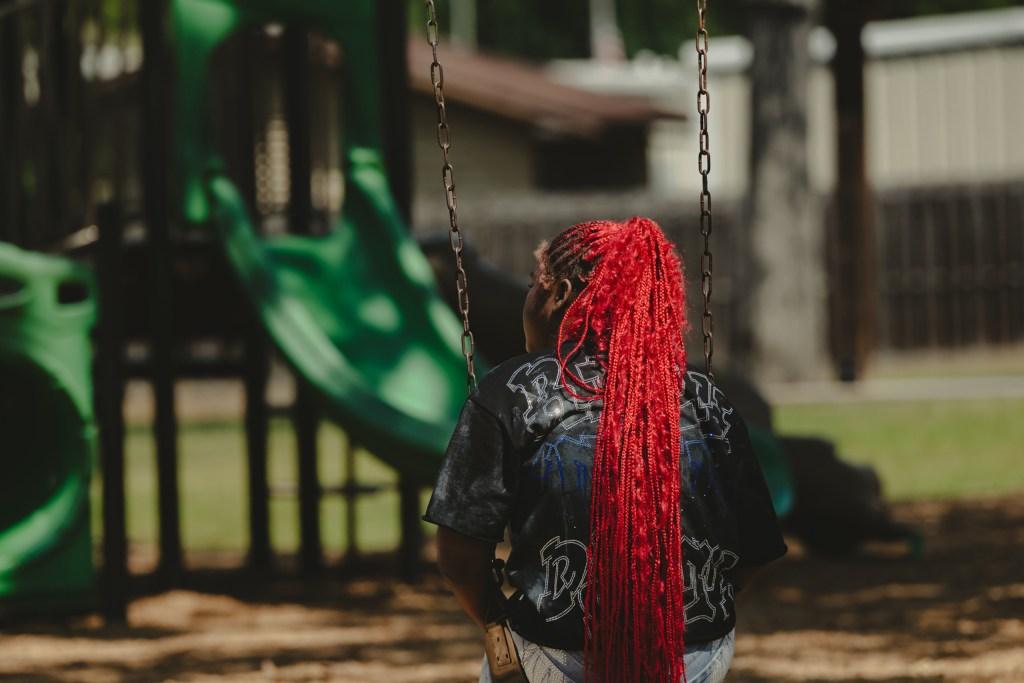
Another troubling case involved a 12-year-old girl in Galveston, who, after displaying disruptive behavior in class, was detained and handcuffed by a school police officer. The incident escalated quickly, as recorded by the officer’s body camera. The girl later expressed confusion over her treatment, questioning why she was put in handcuffs.
After being transported to the school police headquarters, the girl continued to resist instructions, resulting in officers using force to comply with fingerprinting procedures. The school district police chief recorded the incident on her phone, allegedly for social media, raising further concerns about professionalism and the treatment of minors in such situations.
Following her arrest, the girl faced charges of trespassing and was placed on probation for a year, after which her ability to focus in class deteriorated. Her mother, Laquital Thompson, was left questioning why law enforcement was involved in what she viewed as a manageable situation.
Historically, school officials handled minor disciplinary issues, but as more campuses have integrated law enforcement into their operations, even minor infractions can lead to police involvement. Although Texas law states that school officers should refrain from routine student discipline, the lack of a clear definition for “routine” leaves much to interpretation.
In Round Rock, a similar incident occurred when a mother was directed to school police after her daughter reported being physically assaulted by classmates. Despite the expectation of mediation, all involved children were charged with misdemeanor assault, prompting criticism from parents and school officials alike about the escalation of discipline.
School districts have increasingly adopted a hardline stance against threats and violence. The number of referrals for making “terroristic threats” among students aged 10 to 13 has tripled, and while some police interventions have successfully prevented potential school shootings, many others involve exaggerated threats or misinterpretations of playful banter among peers.
Cases involving students with behavioral challenges have also surfaced, such as a 12-year-old boy with autism who was arrested after an emotional outburst. The incident left him traumatized and fearful of police presence. His mother recounted the impact on his mental health and daily life, emphasizing the need for a more compassionate approach to discipline in schools.
In Corpus Christi, the local school district has seen a significant rise in referrals, with officials attributing this to a tough-love approach. However, some districts are actively seeking to reverse these trends by emphasizing educational discipline over punitive measures. The Wichita Falls school district, for instance, has reported a substantial decrease in referrals for children under 13 by implementing a philosophy that prioritizes educational outcomes rather than criminalization.
As the debate over school policing continues, the focus remains on finding a balance between maintaining safety and ensuring that children are not subjected to unnecessary legal repercussions.