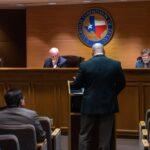






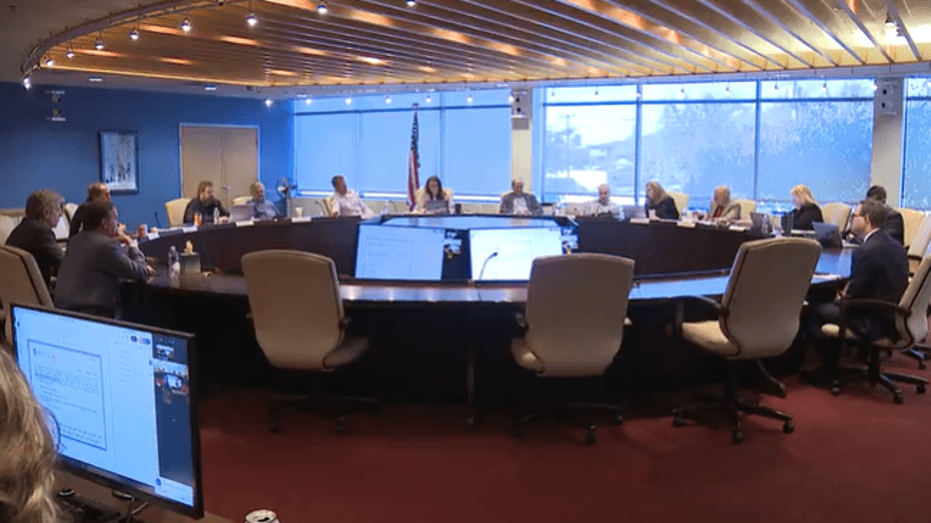
The Dallas Police and Fire Pension System Board has approved a contentious funding proposal aimed at addressing the significant financial challenges facing the city’s pension system. The plan, which spans 30 years and amounts to $11 billion, was passed with a narrow 6-5 vote, despite considerable opposition from first responders who argue that it jeopardizes their financial security.
Jeff Patterson, President of the Dallas Fire Association, expressed deep concerns about the plan, asserting that it fails to adequately support the city’s first responders. He highlighted the fact that retirees have not received a cost-of-living adjustment in eight years, resulting in their purchasing power diminishing significantly—what was worth a dollar in 2017 is now only valued at 70 cents.
The board consists of six members appointed by the Dallas mayor and five representatives from the police and fire departments. All six mayoral appointees voted in favor of the funding plan, while the five representatives of first responders opposed it.
Concerns Over Board’s Priorities
State Representative Mitch Little (R-Denton) raised concerns regarding the board’s commitment to the pension system, questioning whether the mayor’s appointees are prioritizing the city’s interests over those of the pension fund.
Support from the Mayor
In response to the dissent, Dallas Mayor Eric Johnson defended the proposal, stating, “Our public safety officers put their lives on the line for Dallas every day, and for the first time in decades, we are funding their pension responsibly so that it will provide what they were promised.” He emphasized that the plan would secure the futures of both current retirees and active officers, ensuring that Dallas remains an attractive destination for top talent in public safety.
Voices of the First Responders
Patterson shared his personal connection to the issue, recalling a near-death experience during a house fire in 2014. He urged the board to recognize the faces of both active and retired first responders, reinforcing the human element behind the financial discussions.
Retired Dallas police officer Dale Eves echoed this sentiment, stating, “We have to fight for those who can’t fight later,” as he underscored the daily risks faced by those in active service.
Concerns from Pension Board Members
Pension board chair Michael Taglienti, a Dallas police officer, voiced strong concerns regarding the financial viability of the city’s plan. He warned that under the current proposal, the pension will not be sufficiently funded, contradicting assurances from the city. Taglienti noted that the funding plan could adversely affect recruitment and retention of police officers, as they are required to contribute significantly more to their pensions compared to their counterparts in the region.
Future Implications
Looking ahead, some board members have signaled their intent to pursue legal action against the mayor’s appointees for potential breaches of their fiduciary responsibilities. Currently, the pension fund is only 34% funded, and projections indicate it could fall to 30% within five years under the new funding plan.
This ongoing debate reflects deeper issues surrounding public safety funding and the financial stability of pension systems, posing critical questions about the future of Dallas’ first responders.